- Our California office it's now
- 12:58 PM(Fri) - We Are Open
- Tel: 1-909-988-8885 Toll free : 1-855-325-2726 (USA & CANADA)
- Whatsapp: Website Line : 1-909-914-8063
- info@alljapantours.comFollow Us :


- Monday to Friday 8:30AM - 5:30PM (PST) Saturday 9:00AM - 3:00PM (PST)
- CONTACT US
UNESCO World Heritage Sites
Temples
Shrines
Castles
Gardens
Historic Towns and Districts
Sacred and Pilgrimage Sites
Pottery Towns
Museums
Festivals
Manga and Anime
Onsen
Nature
Natural Sceneries
Wildlife
Cherry blossoms
Autumn Leaves
Flowers
Theme Parks
Geisha
Sumo
Ninja
Samurai
Traditional Sports
Traditional Performing Arts
Traditional Culture Experiences
Food
Drinks
Historic Towns and Districts
The historic towns and districts in Japan are areas that have been preserved to maintain the traditional buildings that have survived the many fires,
earthquakes, wars, and modernization of the country. These sites are reviewed by the Agency for Cultural Affairs and if the place is qualified then it will
be designated a Cultural Property. The preservation of these sites came about during the Meiji Restoration, when at the time the feudal era came to an
abrupt end. In 1871, the Meiji Government seized lands and temples that were symbolic of the feudal age. Within the same year the Department of
State issued a decree based on the recommendation from universities to protect the antiquities. Then in 1897 the Ancient Temples and Shrines
Preservation Law was passed. Ito Chuta, an architect and architectural historian, provided the necessary guidance to formulate the 20 articles to set up
the system to preserve the sites. Since then many laws were passed to further preserve anything of historical value both intangible and tangible.
The categories for the historic towns and districts to fall under depend heavily on their focus. There are former samurai and merchant districts that are
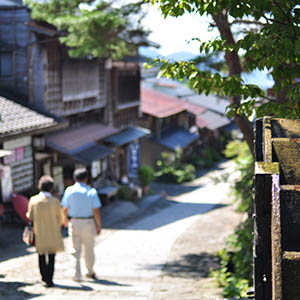
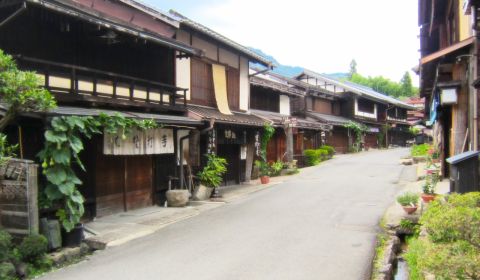
known for their relation to prior owners of the structures. Post Towns refers to towns built along the former major highways in Japan. A small number
of them have been able to maintain their Edo Period appearance, but with modern accommodations. In the Geisha Districts there are still Geisha
performing in traditional teahouses, buildings, and restaurants. Other types of towns that have been preserved are pilgrimage, farming, and port
towns. Then there is the very unique Ryukyu Village, which was influenced by an independent kingdom until it became part of Okinawa.
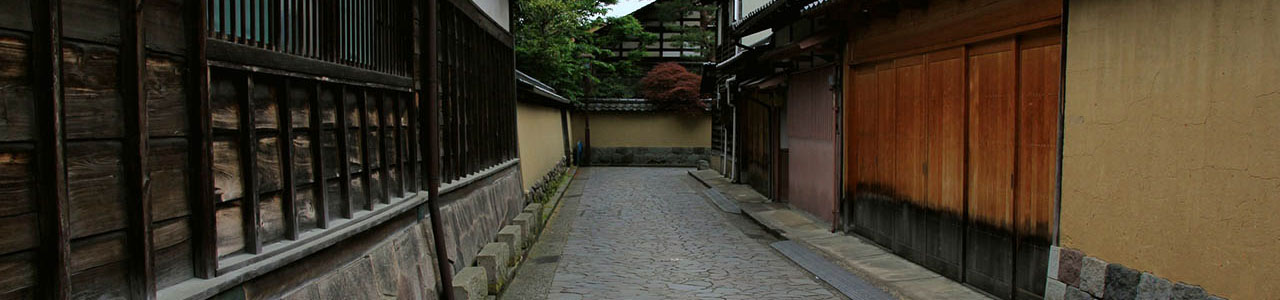
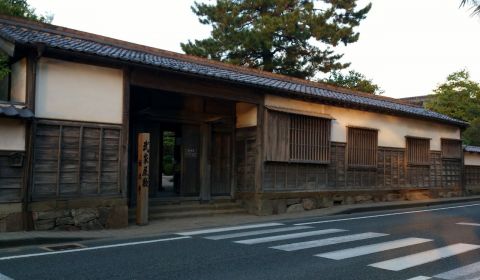
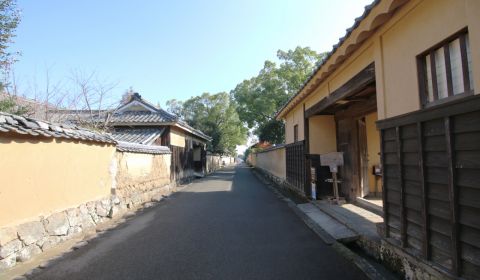
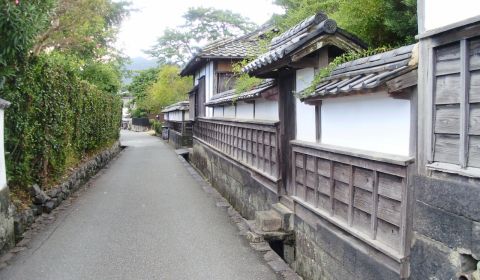
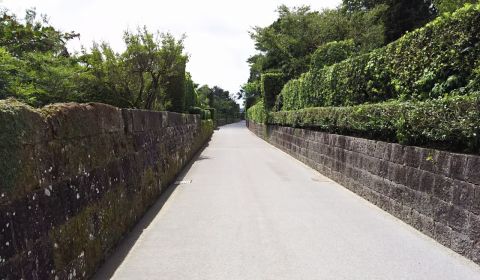
The major cities in Japan usually started out as castle towns that developed over time. Castle towns consisted the residence of the local feudal lord, which was the castle located in the center of the town. Surrounding the castle his retainers, the samurai, lived in homes ready to protect their master. This area was called the bukeyashiki.






During the Edo Period merchants were considered the lowest of the four social castes. However, many of the merchants became very wealthy when the Edo Period came to an end. Merchant districts can identified by the kura (warehouse) buildings and shops lining the streets.


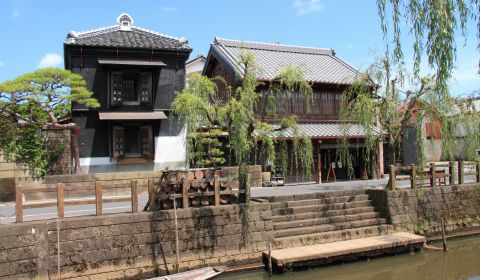
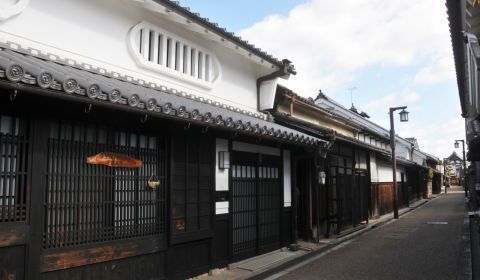

Post Towns in Japan can be found on the former major highways like Tokaido and Nakasendo. These towns catered to travelers going in and out of Edo (modern day Tokyo). There is a small number of towns that have preserved their Edo Period appearance, but still has modern accommodations.