- Our California office it's now
- 13:56 PM(Fri) - We Are Open
- Tel: 1-909-988-8885 Toll free : 1-855-325-2726 (USA & CANADA)
- Whatsapp: Website Line : 1-909-914-8063
- info@alljapantours.comFollow Us :


- Monday to Friday 8:30AM - 5:30PM (PST) Saturday 9:00AM - 3:00PM (PST)
- CONTACT US
Popular Destinations in Japan
Northern Japan
Sapporo
Hiraizumi
Matsushima
Around Tokyo
Nikko
Ashikaga
Central Tokyo
Northern Tokyo
Western Tokyo
Southern Tokyo
Yokohama
Kamakura
Hakone
Central Japan
Mt Fuji
Matsumoto
Nagano City
Takayama
Shirakawa-go
Kanazawa
Kansai
Kyoto City
Nara City
Osaka City
Kobe
Mt Koya (Koyasan)
Himeji
Southern Japan
Matsue
Hiroshima City
Miyajima Island
Kurashiki
Naoshima Island
Takamatsu
Nagasaki
Beppu
Takachiho
Sapporo
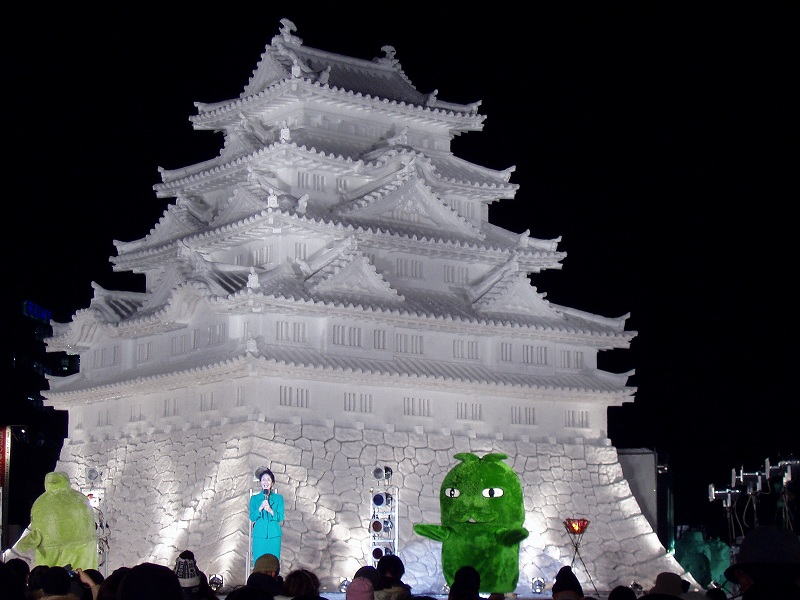
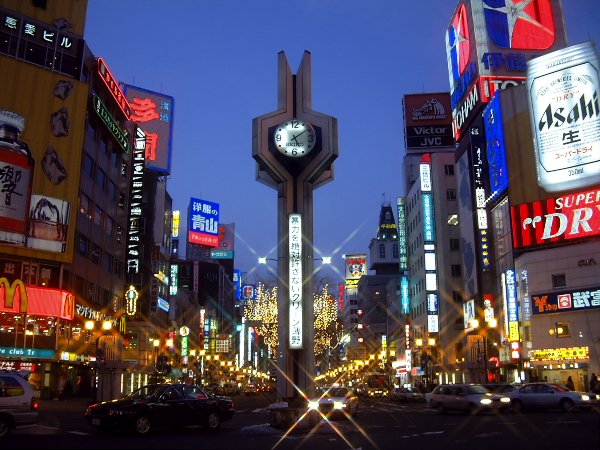
Sapporo is known for its snow festival
and is the fifth
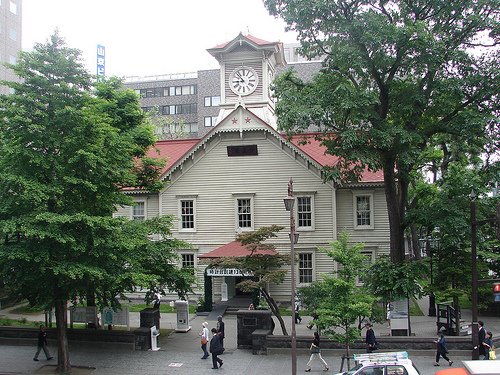
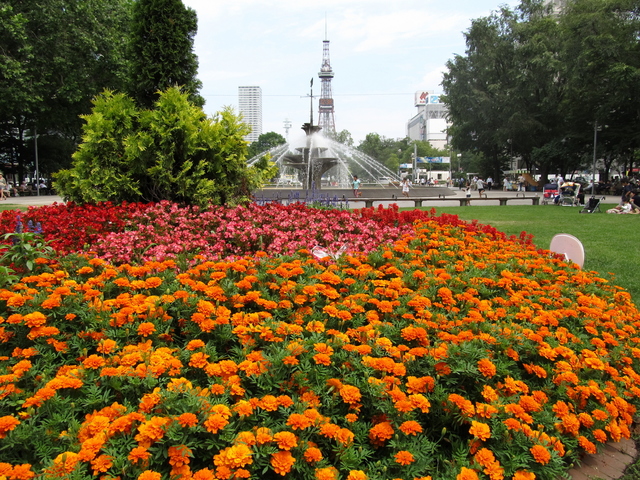
largest major city in Japan. It serves as the capital and
administrative center of Hokkaido. Sapporo is one of the
newest major cities in Japan, officially recognized by the
Meiji Government and declared as the capital of
Hokkaido in 1868. Hakodate was the administrative
center for Hokkaido, but due to its poor defensible
location and development it was not chosen. Before
this,
Sapporo was just a simple hunting and fishing town in
the
Ishikari Plain that was settled by the Ainu. The Ainu are
an indigenous people in Japan who were mostly a
hunter
gatherer society. They slowly developed a trade with the
Japanese as the southern part of Hokkaido was
colonized by the Tokugawa Shogunate. Most of today’s
Ainu have assimilated into Japanese society and, as a
result, have no knowledge of their ancestry. You will find
many museums throughout the region dedicated to Ainu
culture and history.
Because of how recently it was developed, like most of
Hokkaido, Sapporo’s layout most closely resembles
western style cities with its rectangular street system.
Men from the western world, like William S. Clark, were
brought to Hokkaido to assist them in the development
of
agriculture. William Clark became the founding vice-
president of the Sapporo Agricultural College (now
Hokkaido University) for only eight months from 1876 to
1877. The construction of Japan’s third major railway
was
completed in 1880, which connected Sapporo to the
port
city of Otaru. A few years before that, Seibei Nakagawa,
who was a German trained Brewster, opened Japan’s
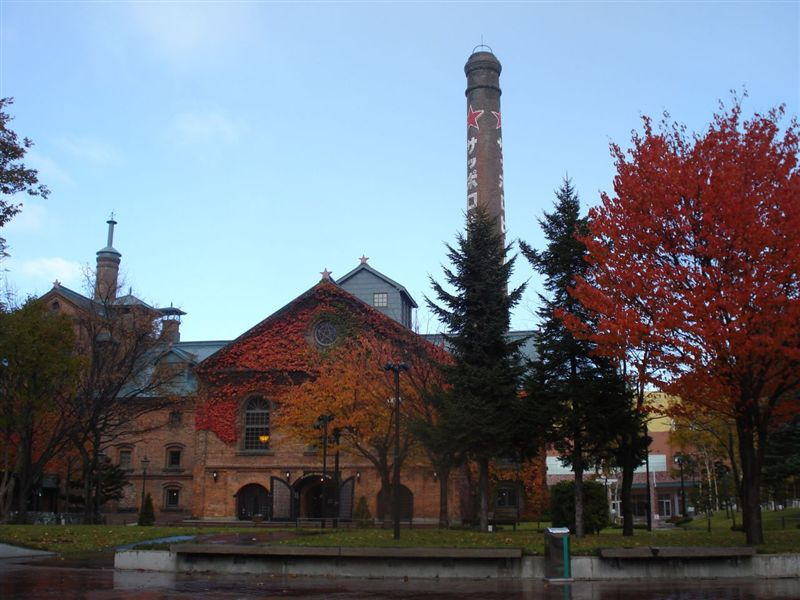
first and oldest brewery called Sapporo Beer. The
completion of the railway stimulated the beer, flour
milling, paper making, and other industries to flourish
and
made Sapporo the economic and political center of
Hokkaido. The iconic star on the beer is representative
of
the pioneers of the time in the area and is the type of
spirit the Sapporo brand strives for.
In 1950, the first Sapporo Snow Festival, Yuki Matsuri,
was held. This festival takes place in the first half of
February and includes beautiful ice and snow
sculptures,
some the size of buildings. After that in 1971 a subway
system was introduced in preparation for the 1972
Winter
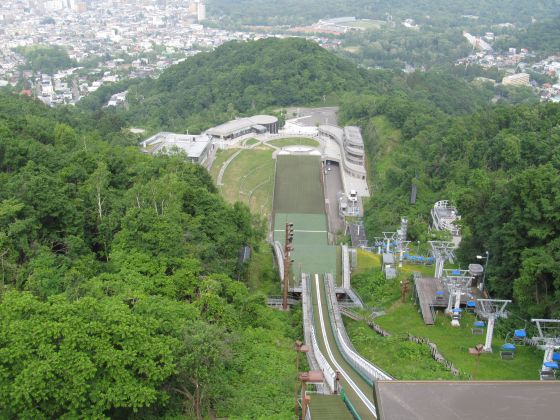
Olympics. These the 11th Winter Olympics were the first
to be held in an Asian country. The areas that were built
specifically for the Olympics are still there in Sapporo as
attractions. Then in 2002, the Sapporo Dome was one
of
the locations that held games for the World Cup. It was
the first World Cup to not only be held in Asia, but was
hosted by two countries, South Korea and Japan. Since
then Sapporo has been internationally known for its
snow
festival, beer and now ramen noodles.