- Our California office it's now
- 12:59 PM(Fri) - We Are Open
- Tel: 1-909-988-8885 Toll free : 1-855-325-2726 (USA & CANADA)
- Whatsapp: Website Line : 1-909-914-8063
- info@alljapantours.comFollow Us :


- Monday to Friday 8:30AM - 5:30PM (PST) Saturday 9:00AM - 3:00PM (PST)
- CONTACT US
Popular Destinations in Japan
Northern Japan
Sapporo
Hiraizumi
Matsushima
Around Tokyo
Nikko
Ashikaga
Central Tokyo
Northern Tokyo
Western Tokyo
Southern Tokyo
Yokohama
Kamakura
Hakone
Central Japan
Mt Fuji
Matsumoto
Nagano City
Takayama
Shirakawa-go
Kanazawa
Kansai
Kyoto City
Nara City
Osaka City
Kobe
Mt Koya (Koyasan)
Himeji
Southern Japan
Matsue
Hiroshima City
Miyajima Island
Kurashiki
Naoshima Island
Takamatsu
Nagasaki
Beppu
Takachiho
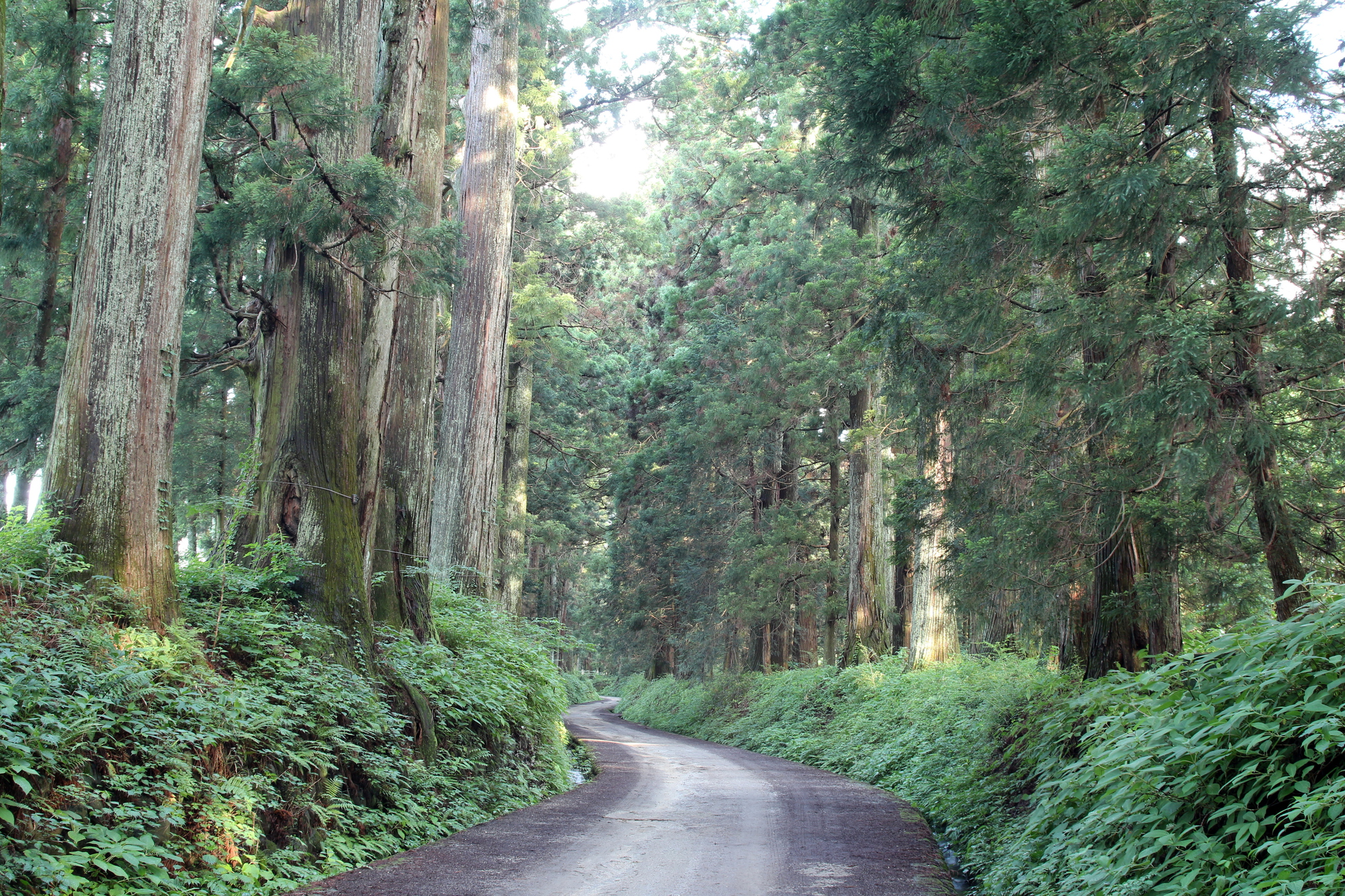
Nikko
Nikko (日光) is a city that developed around the temples
that were established in the 8th century. The shrines
and
temples of Nikko were inscribed as a World Heritage
site
in 1999 for its breathtaking sceneries, magnificent
craftsmanship and cultural impact. Many of the
architecture in Nikko were influenced by the teachings of
Esoteric Buddhism and Ryobu Shinto that resulted in
the
creation of magnificent representations of those beliefs.
The 103 structures and nature surrounding area of
Nikko
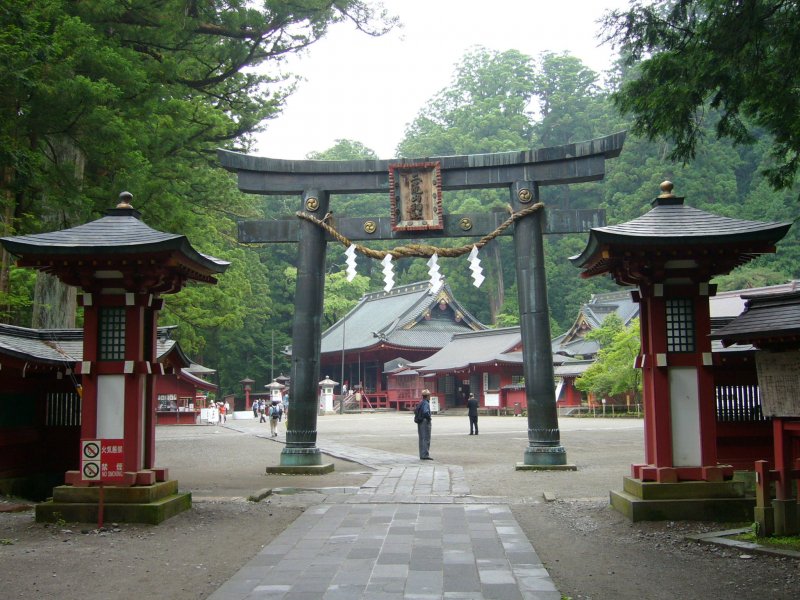
is a World Heritage, however the most famous are the
Toshogu Shrine, Futarasan Shrine and Rinnoji Temple.
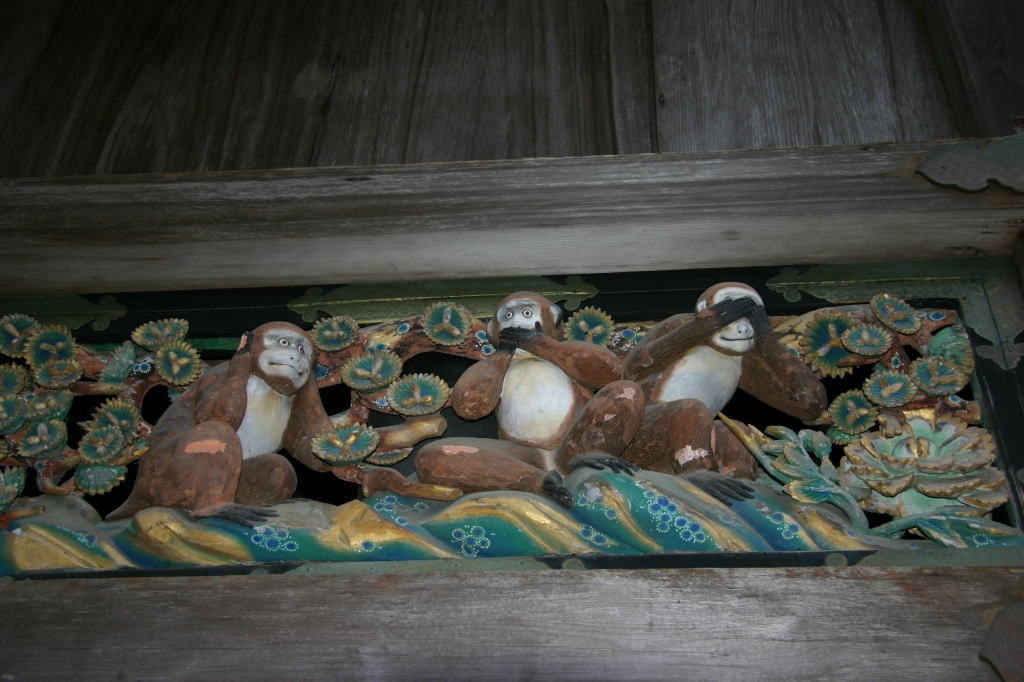
The Toshogu Shrine is home to the famous carving of
the
“See no Evil, Hear no Evil and Speak no Evil” monkeys.
The Futarasan Shrine was the first Shinto shrine built
and
is comprised of smaller reliquaries that embody the
fusion of man with nature much like the city Nikko itself.
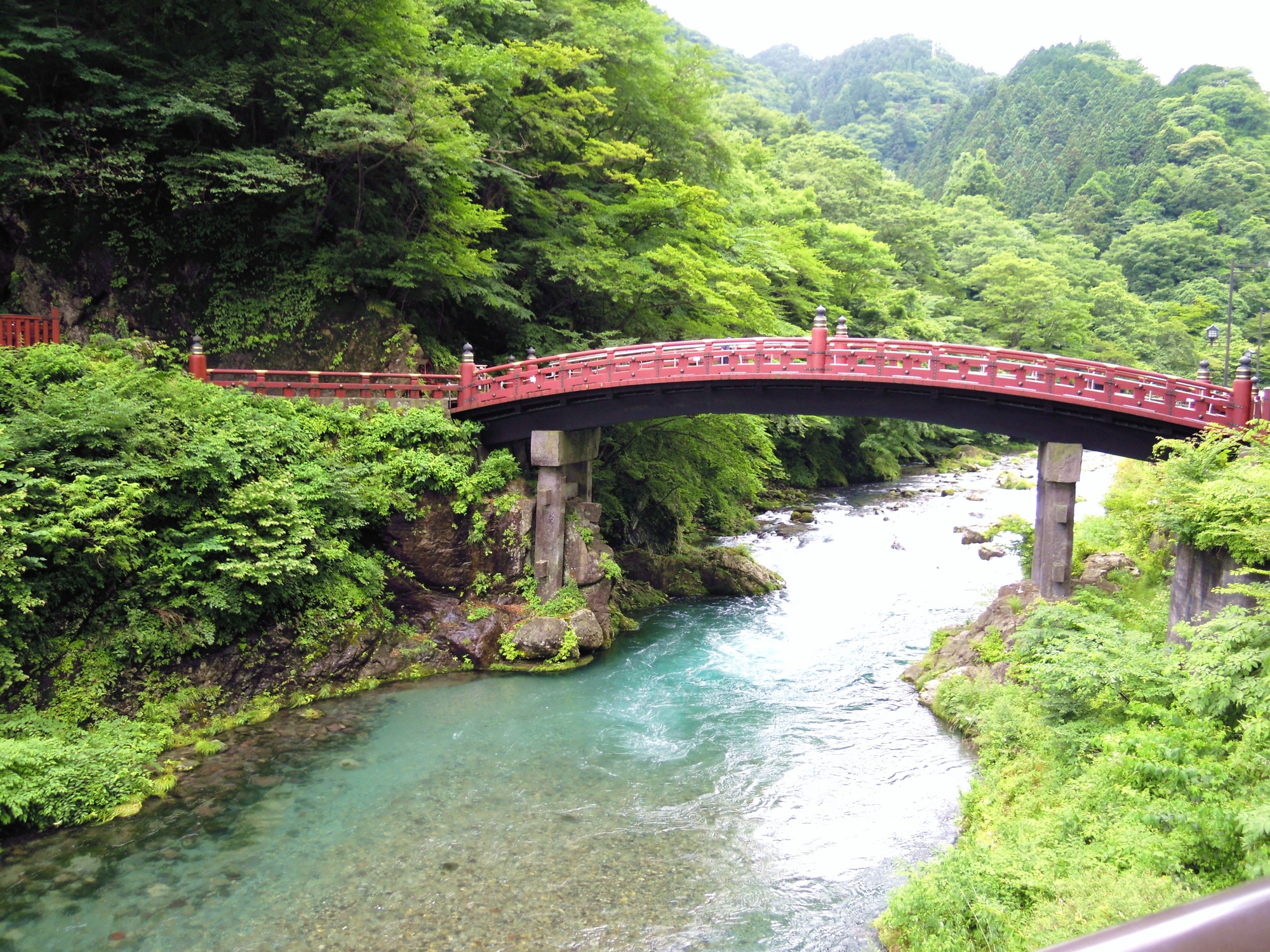
This also includes the famous red lacquered bridge
called Shinkyo or The Sacred Bridge. Since Nikko’s
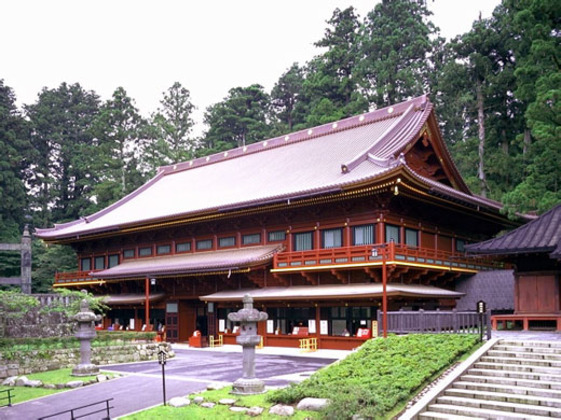
religious roots also connect to Buddhism, the Rinnoji
Temple, which was built in 766, provided solitude for
monks because of its location deep in the mountains.
Nikko was first established by Buddhist Priest Shodo
who
was a follower of Mountain Buddhism, a sect under
Esoteric Buddhism. Then a famous high priest named
Kukai visited the shrine, which was heavily influenced by
Esoteric Buddhism and Ryobu Shinto, changed the
original name of Futara no Yama to Nikko-San.
The literal translation of Nikko is “Sunshine,” but the
name is derived from a Buddhist scripture where
Dainichi
Nyorai’s glory is mentioned. Nikko experienced a
decline
during Toyotomi Hideyoshi’s reign until Tokugawa Ieyasu
chose Nikko to place a mausoleum for his final rest. The
city Nikko was left in charge as the chief religious
caretaker of the Tokugawa and gained continued
prosperity. It was around this time that a number of
roads
were built to make the travel easier for citizens to pay
their respects to the deceased Shogun. During the Meiji
Restoration of 1868, a policy was given out by the new
government to separate Shinto from Buddhism. Many of
the Ryobu Shinto relics were destroyed because of this
policy, but the people of Nikko campaigned to keep the
religious buildings from destruction.
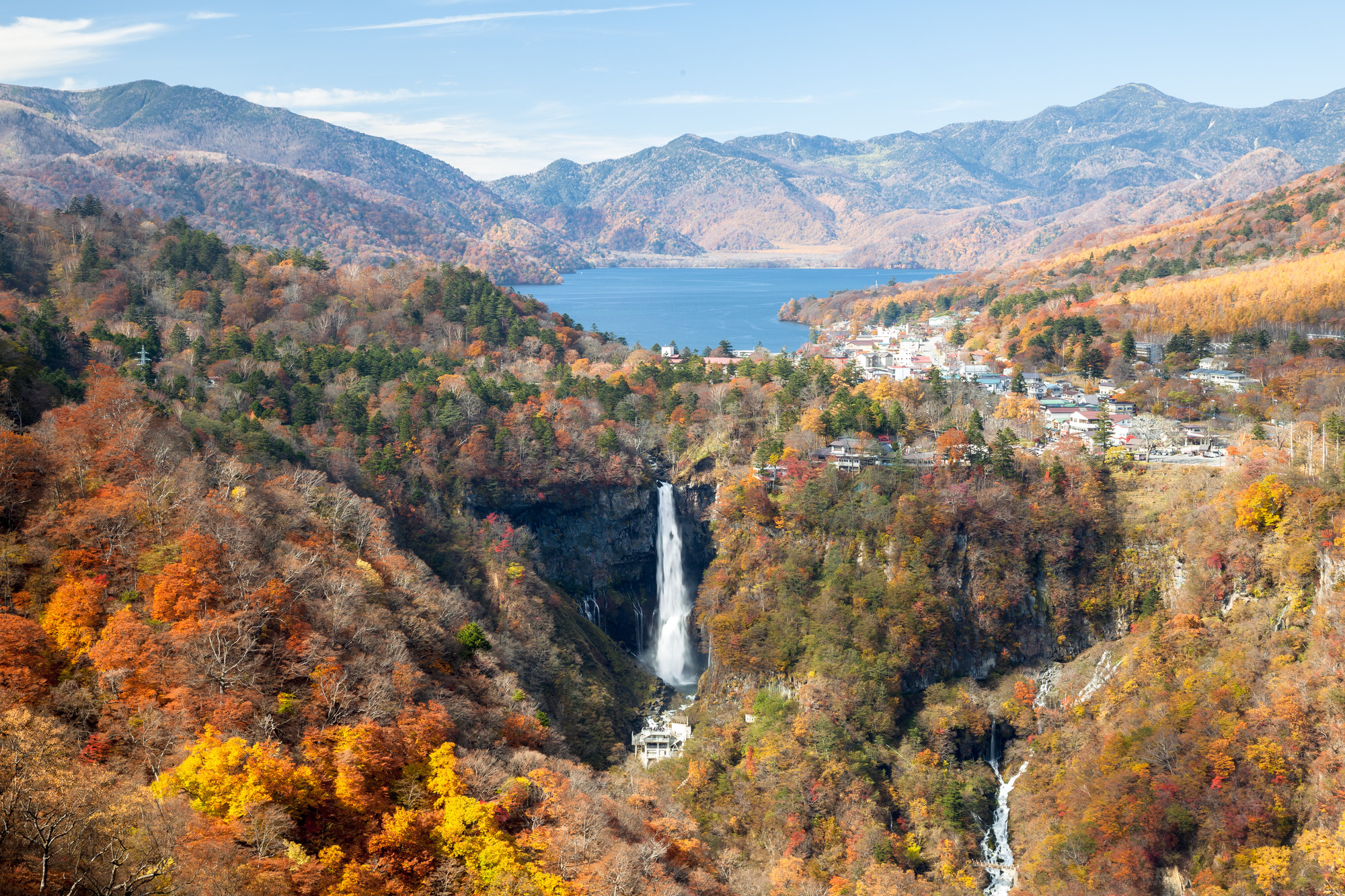
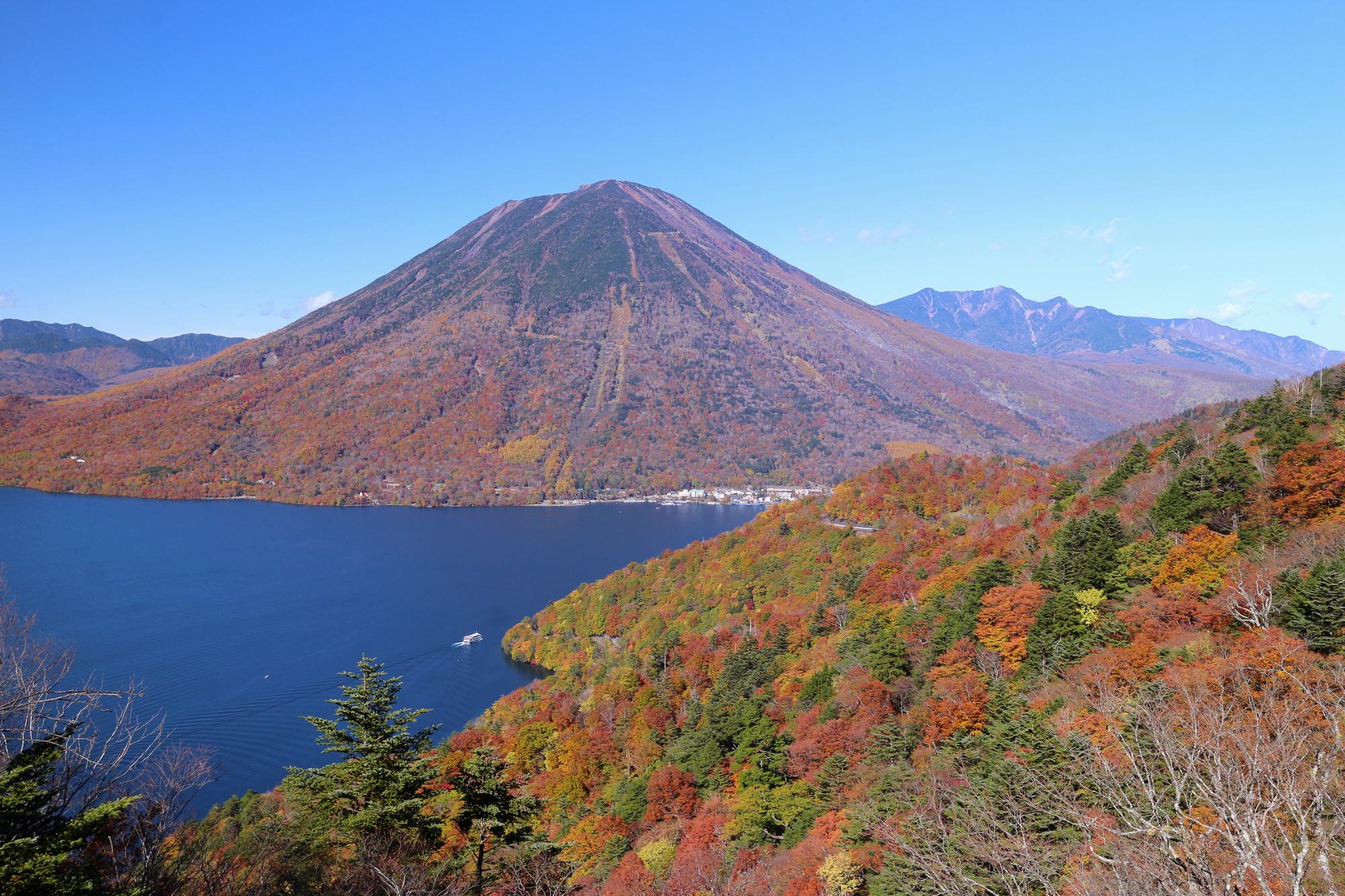
Aside from the religious aspects of Nikko it is also a
popular destination in the autumn season. When the
leaves reflect fall colors many tourists gather in the area
to see the spectacle. Kegon Waterfall, the second tallest
waterfall in Japan, is especially popular to see in fall.
There is an elevator available to take to reach the
bottom
of the waterfall for a breathtaking view. In order to reach
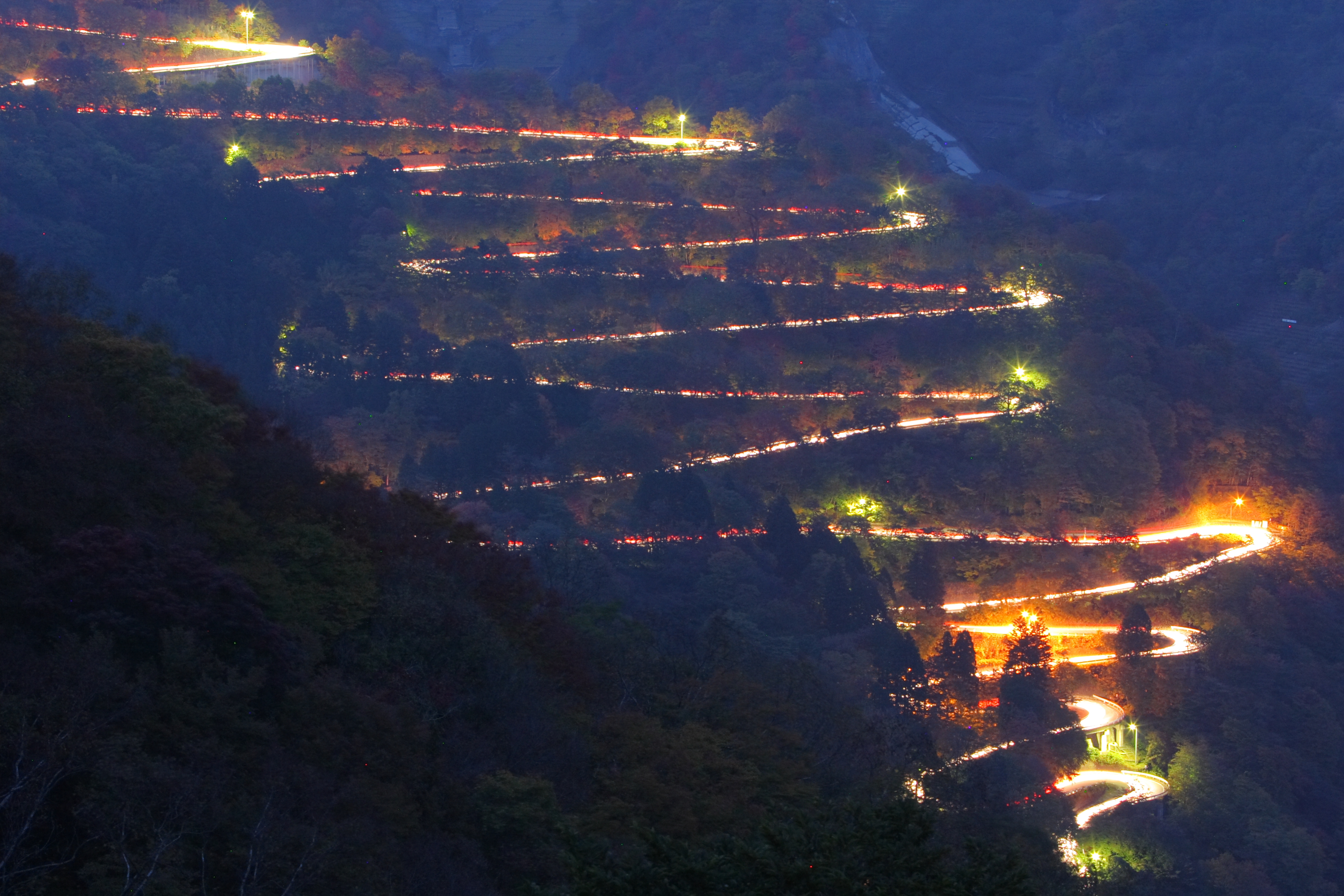
the Nikko by car or bus you will have to pass through
the
winding road called Irohazaka. There are a total of 48
hairpin turns that go through the very mountainous
Okunikko region. Otherwise you can take the Tobu
Railway on the Nikko line that was established in 1929.