Shikoku Region
Compare Styles- Our California office it's now
- 13:02 PM(Fri) - We Are Open
- Tel: 1-909-988-8885 Toll free : 1-855-325-2726 (USA & CANADA)
- Whatsapp: Website Line : 1-909-914-8063
- info@alljapantours.comFollow Us :


- Monday to Friday 8:30AM - 5:30PM (PST) Saturday 9:00AM - 3:00PM (PST)
- CONTACT US
Hokkaido
Sapporo | Otaru | Furano | Asahikawa | Sounkyo | Abashiri | Shiretoko | Kushiro | Noboribetsu | Lake Toya | Hakodate
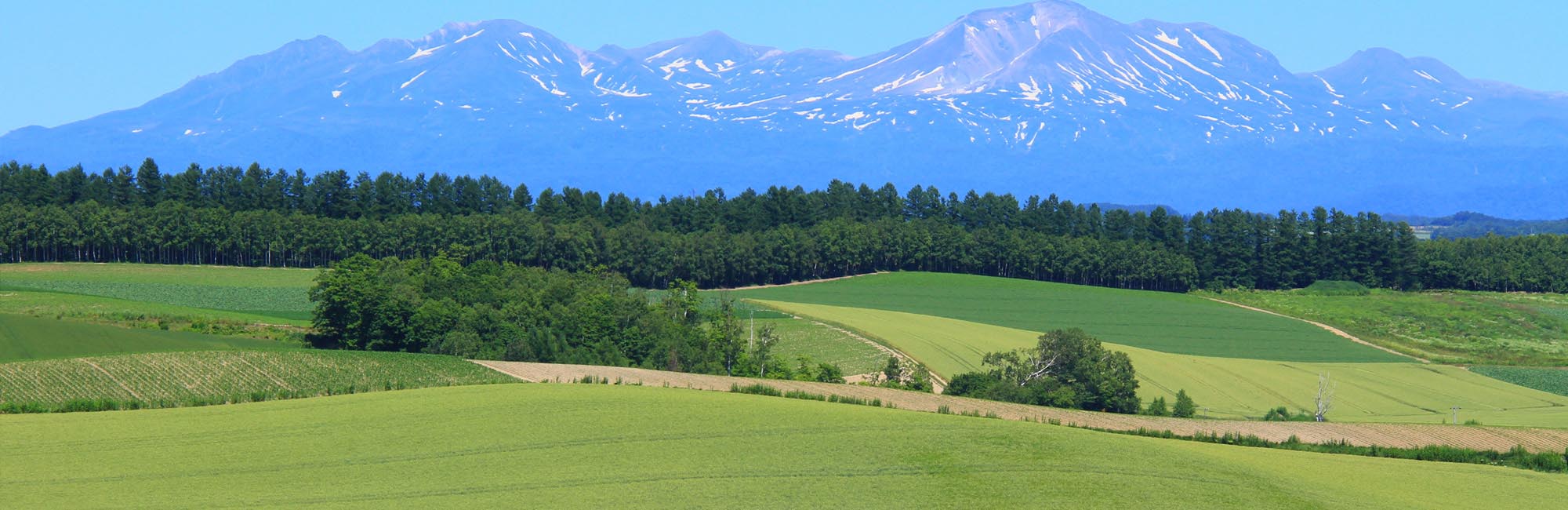
The Hokkaido region is known for its beautiful nature and flowers like lavenders in Furano and Biei during the summertime. In the winter there are amazing snow festivals like the one in Sapporo, which attracts millions of visitors.
Highlights of Hokkaido Region
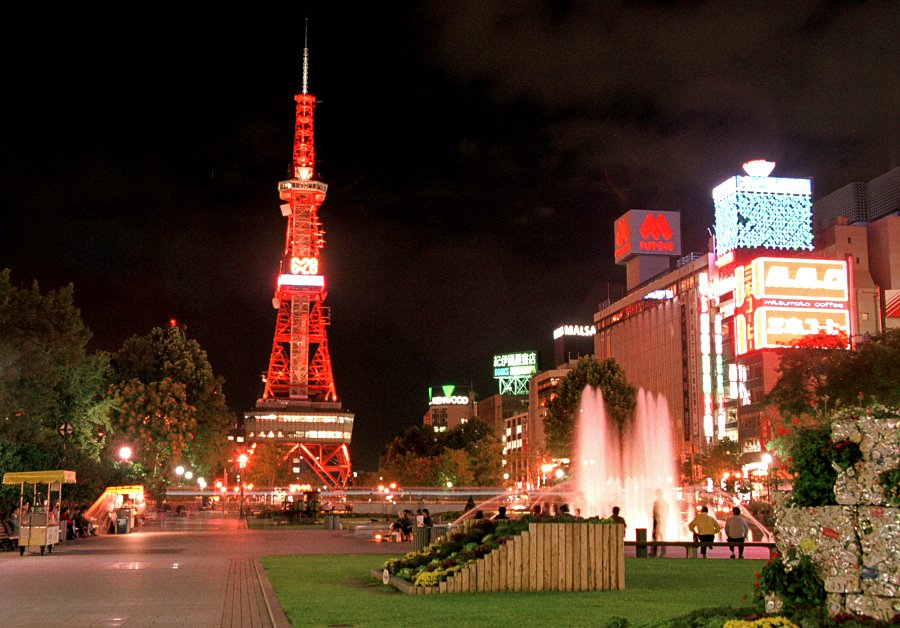
Sapporo is the largest city on Japan’s northern island of Hokkaido, home to the world-renowned Sapporo Beer and February’s Sapporo Snow Festival.
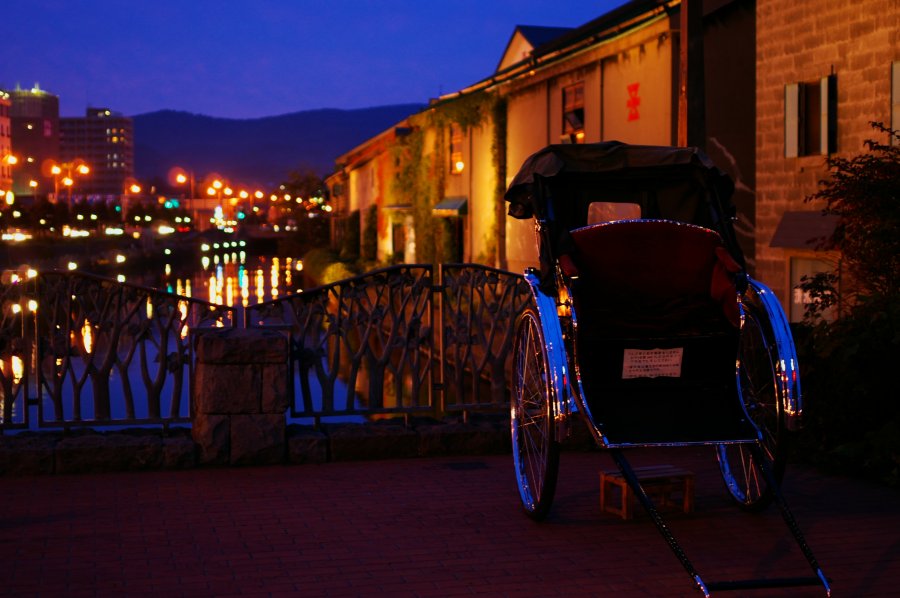
Otaru is a romantic port town famous for its canal, glass workshops, and music box museum.
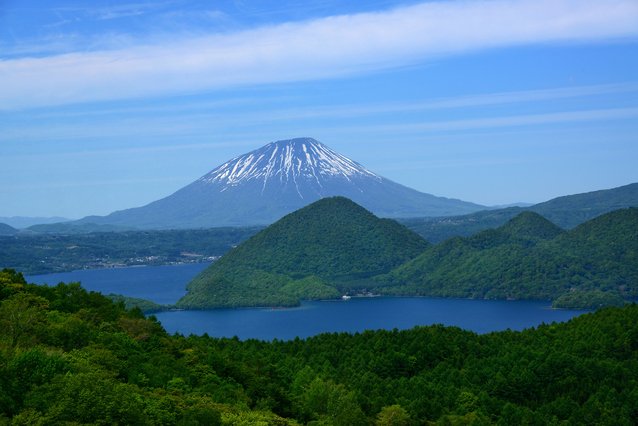
Lake Toya is a volcanic caldera lake in Hokkaido’s verdant south, bordered on one side by picturesque Mount Usu.
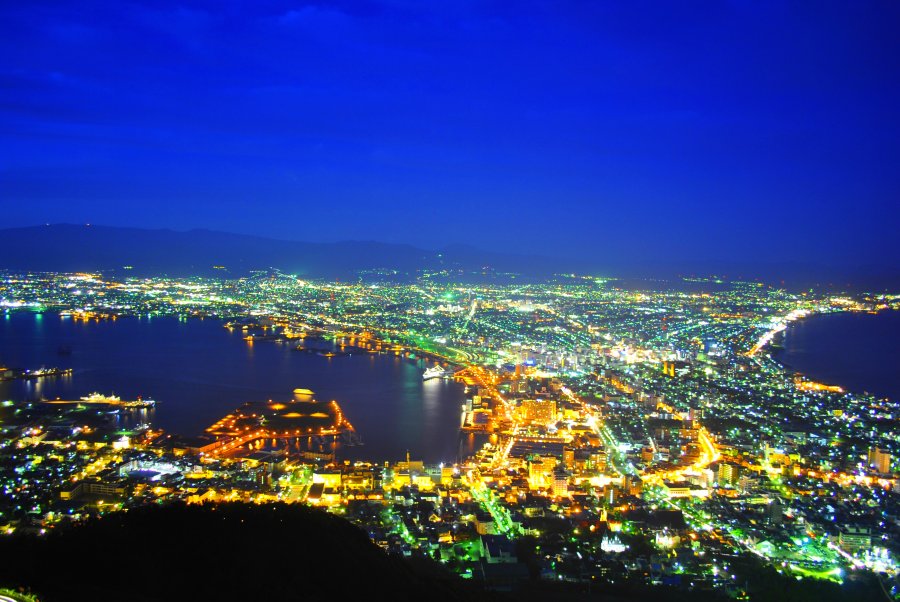
Hakodate is a city and port in the Oshima Sub prefecture and is the third largest city in Hokkaido.
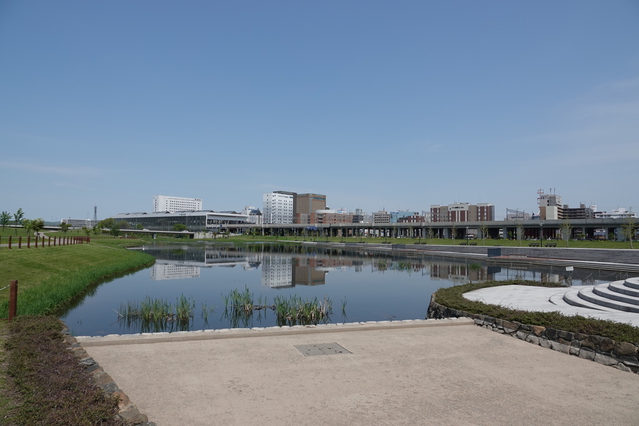
Asahikawa is a city in the center of Hokkaido, noted for the Otokoyama Sake Brewery, the wide popularity of the Asahikawa Zoo, and delicious ramen.
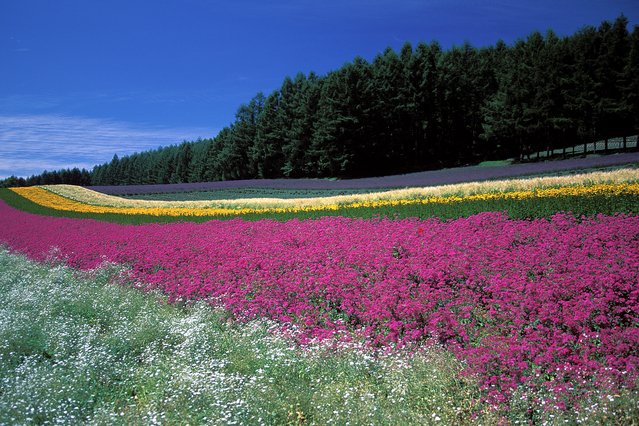
Furano is a farming town in the center of Hokkaido, popular in summer for fields of brilliant purple lavender blooms.
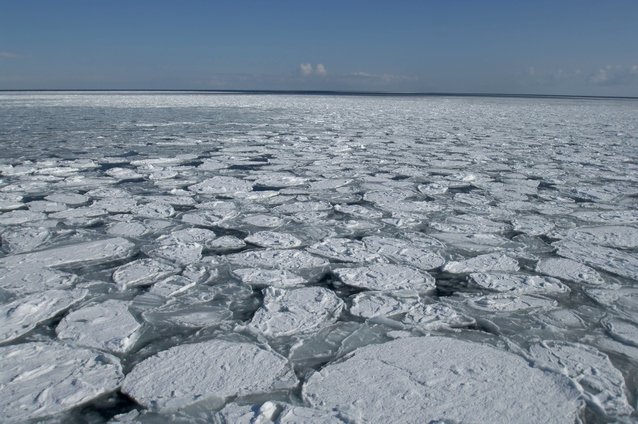
Abashiri is a pleasant region on Hokkaido’s east coast - the site of the notorious Abashiri Prison, as well as the dramatic drift ice off the coast.
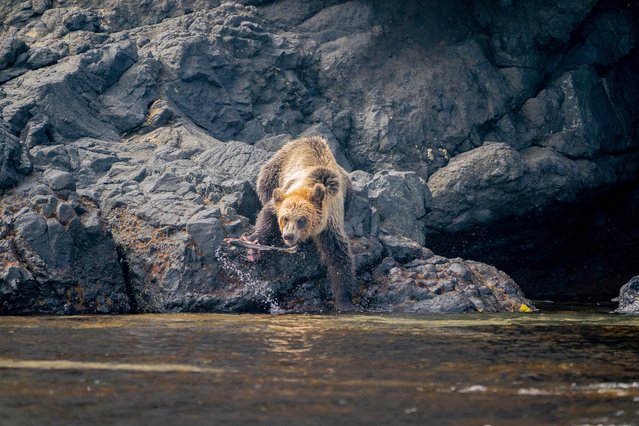
Shiretoko is situated on Hokkaido’s eastern tip near the Sea of Okhotsk, an unspoiled region supporting a diverse ecosystem.
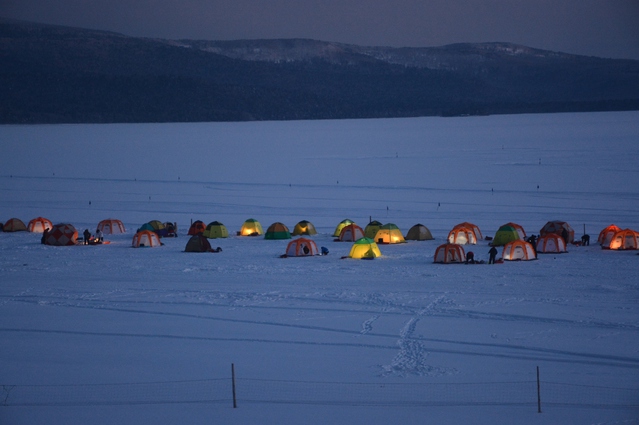
The Akan Mashu National Park in a forested park area in eastern Hokkaido well known for three pristine lakes – Lake Akan, Lake Mashu, and Lake Kussharo.
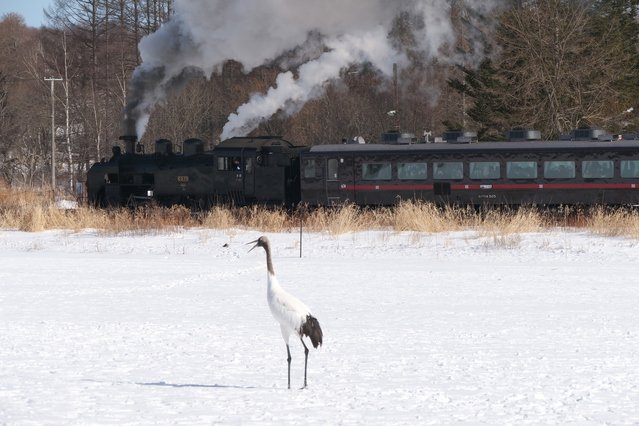
Kushiro is a wetlands region in southern Hokkaido, home to the Kushiro Marshlands – the nesting grounds for the Japanese red-crowned crane.
Tohoku
Aomori | Lake Towada | Hirosaki | Akita | Kakunodate | Hiraizumi | Sendai | Matsushima | Yamagata | Urabandai | Aizu Wakamatsu
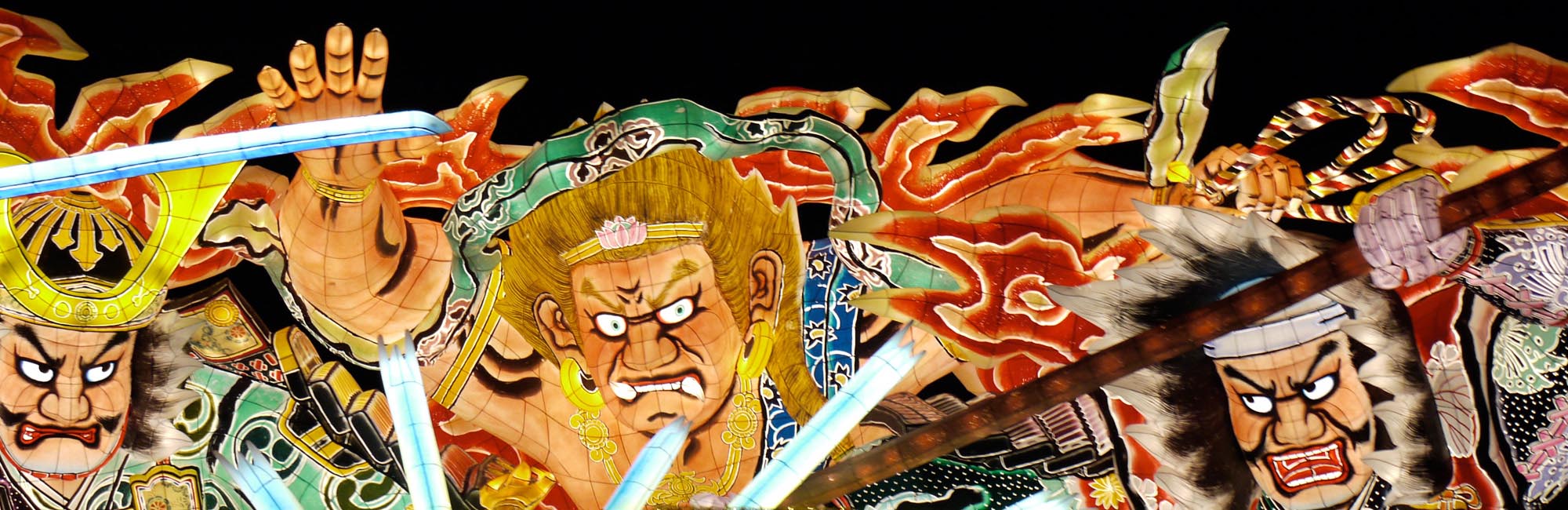
Tohoku has three great summer festivals called Nebuta Matsuri in Aomori, Akita Kanto in Akita, and Sendai Tanabata Matsuri in Sendai. Aside from festivals the Tohoku region has a long history involving many different samurai clans like the Date or Aizu.
Highlights of Tohoku Region
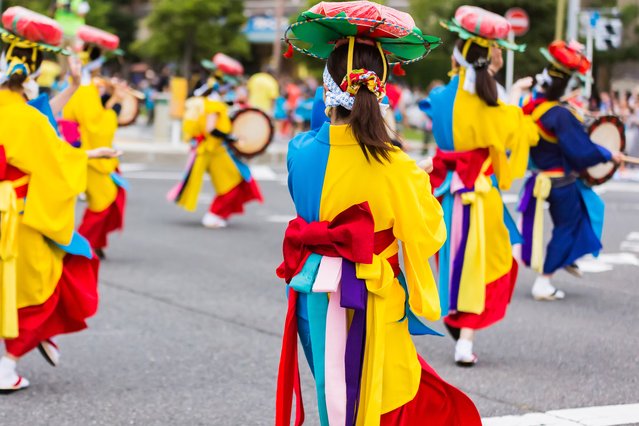
Morioka, the capital city of Iwate prefecture, sits at the foot of Mount Iwate, known among foodies for their delicious soba noodles.
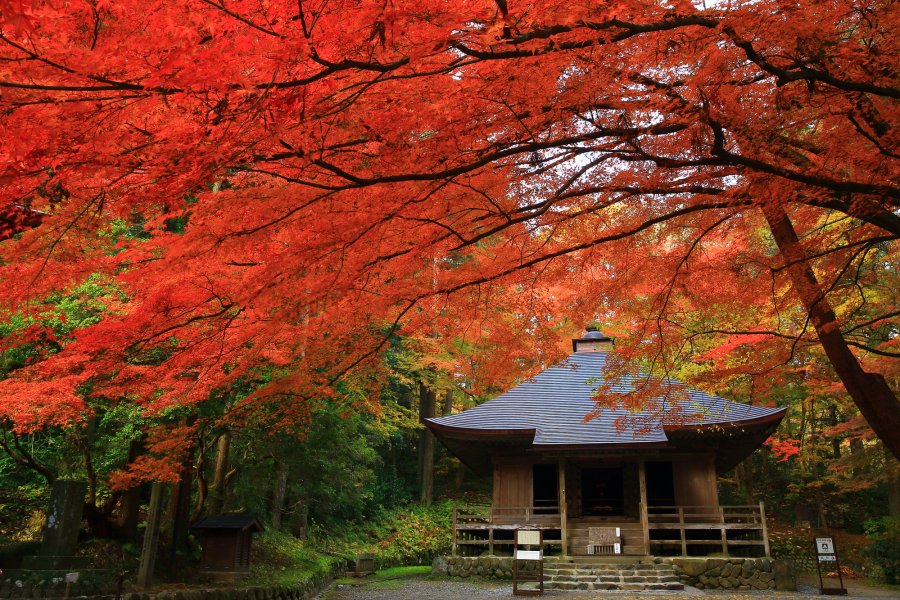
Hiraizumi was once the home of the powerful Northern Fujiwara Clan and rivaled Kyoto as a city during the Heian Period.
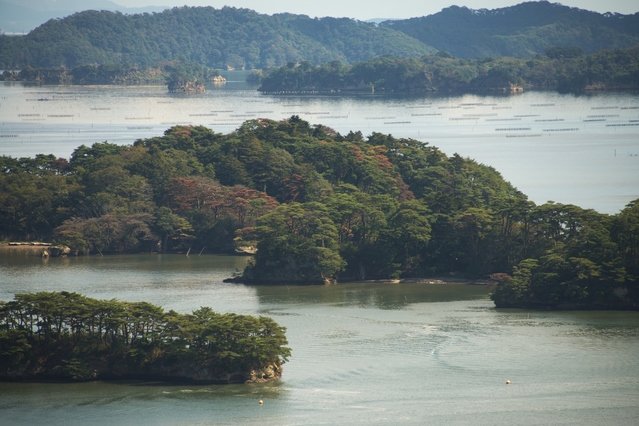
Matsushima is a gorgeous coastal town in the Tohoku region featuring a picturesque bay filled with pine-covered islets.
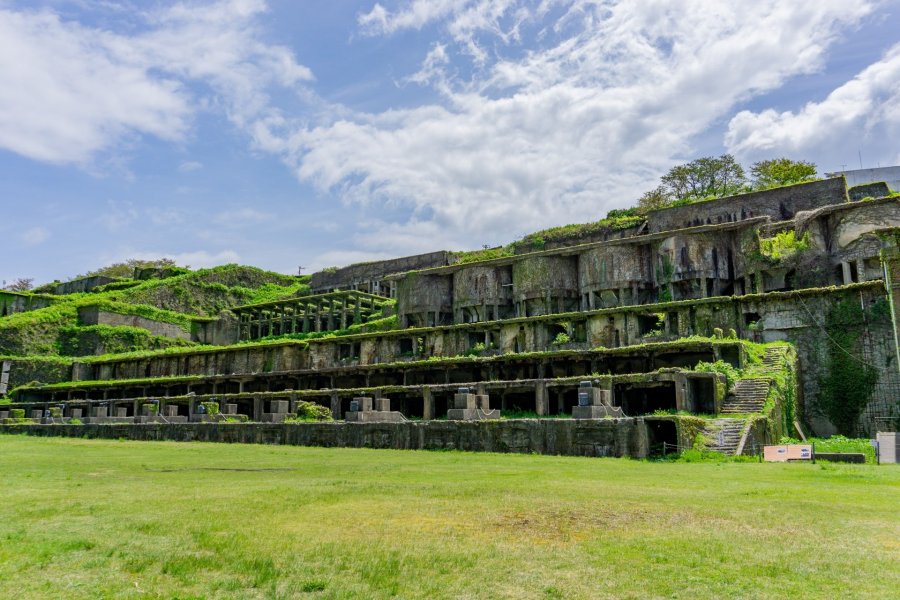
Sado Island is a small island off the western coast of Japan, near Niigata city.
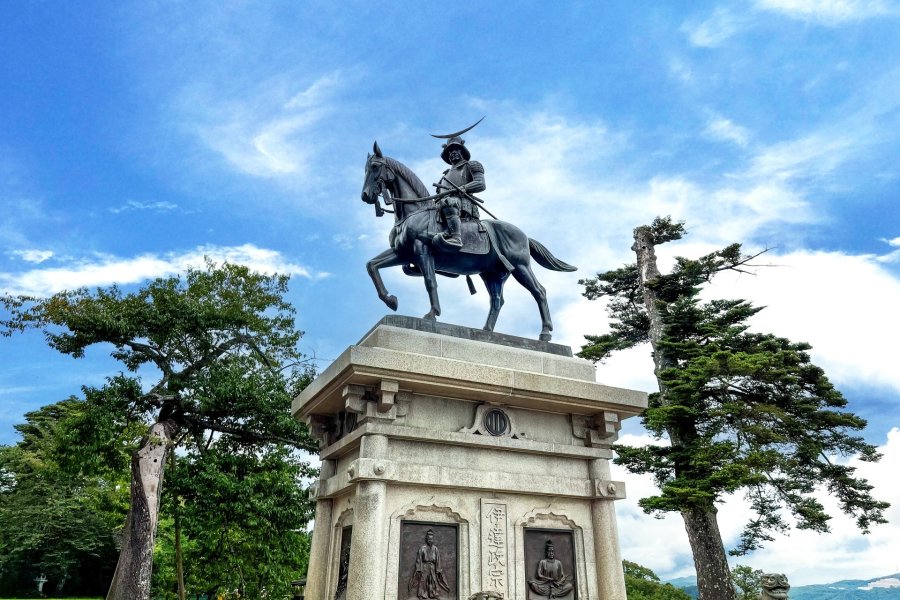
Sendai is a city on the northeastern shore of the main island, and the largest city in the Tohoku region.
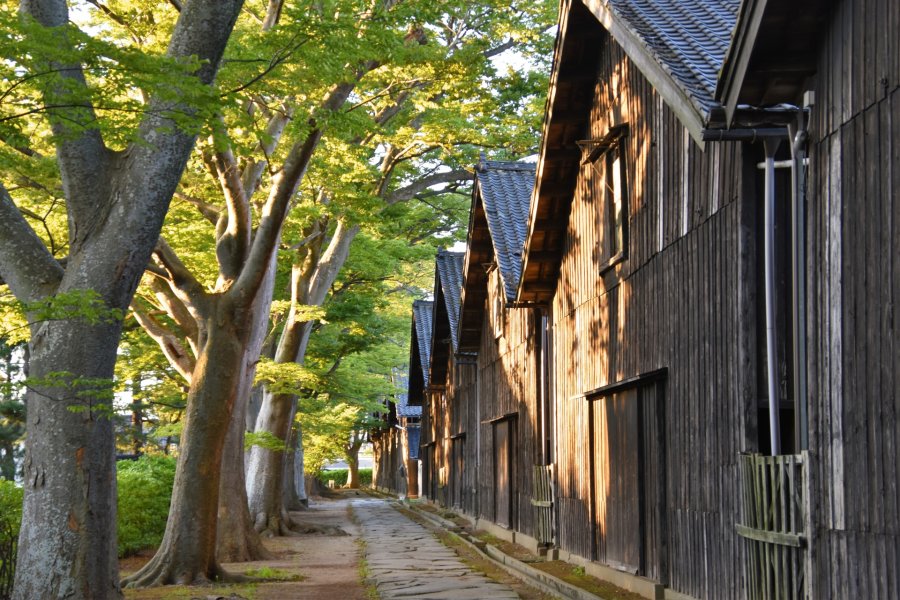
Sakata is a port city in Yamagata Prefecture, in the verdant Shonai Region.
Kanto
Nikko | Ashikaga | Tokyo | Yokohama | Kamakura | Hakone

The Kanto Region is one of the most densely populated areas in Japan. It is where you can visit places like Tokyo, Nikko, Yokohama, Kamakura, Hakone, and many other sites. Each place has incredible structures, history, and activities to do.
Highlights of Kanto Region
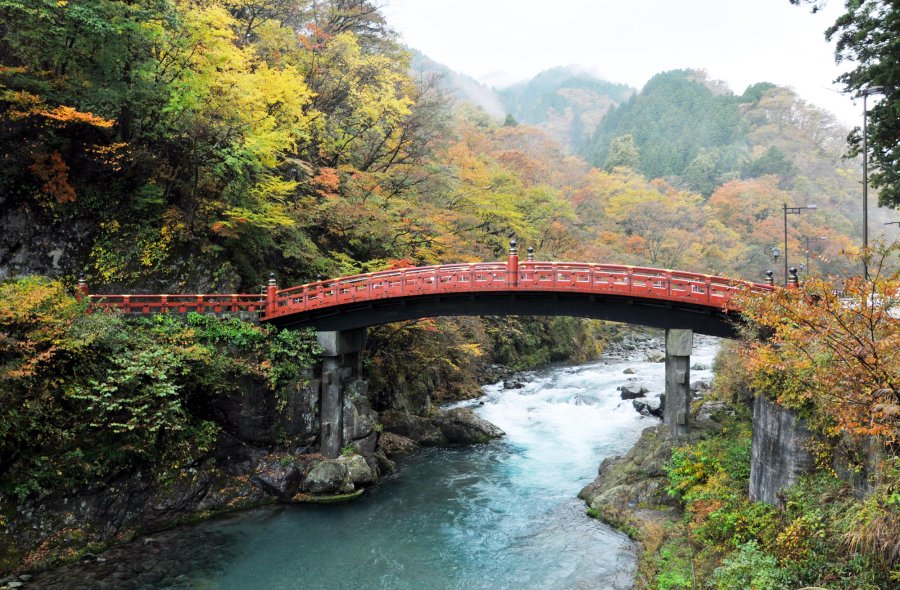
Nikko is famous for being the resting place of Tokugawa Ieyasu, founder of the Tokugawa Shogunate, and center for Shinto and Buddhist mountain worship.
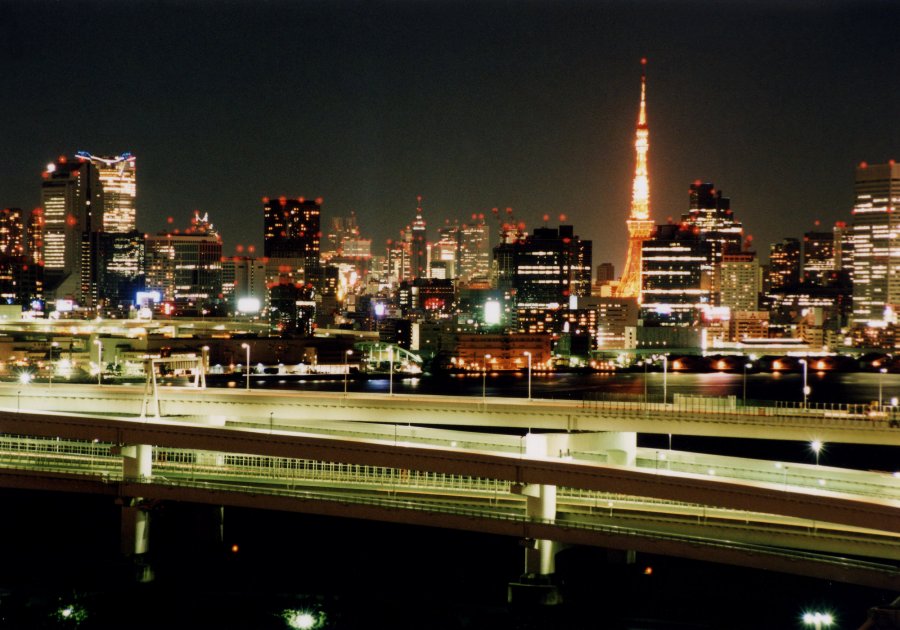
As the capital of Japan, Tokyo is known as one of the main cities with various attractions and sites.
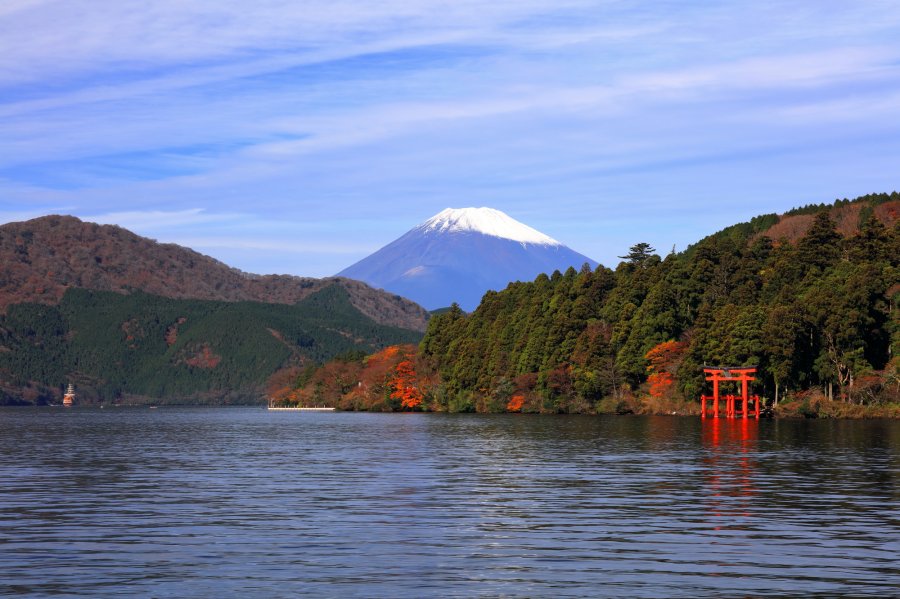
Hakone has hot springs, beautiful nature, Lake Ashi, and amazing views of Mount Fuji in the distance.
Chubu
Nagano | Yudanaka Onsen | Matsumoto | Ina | Tsumago & Magome | Toyama | Kanazawa
Shirakawago | Takayama | Nagoya | Mt Fuji | Atami | Kawazu
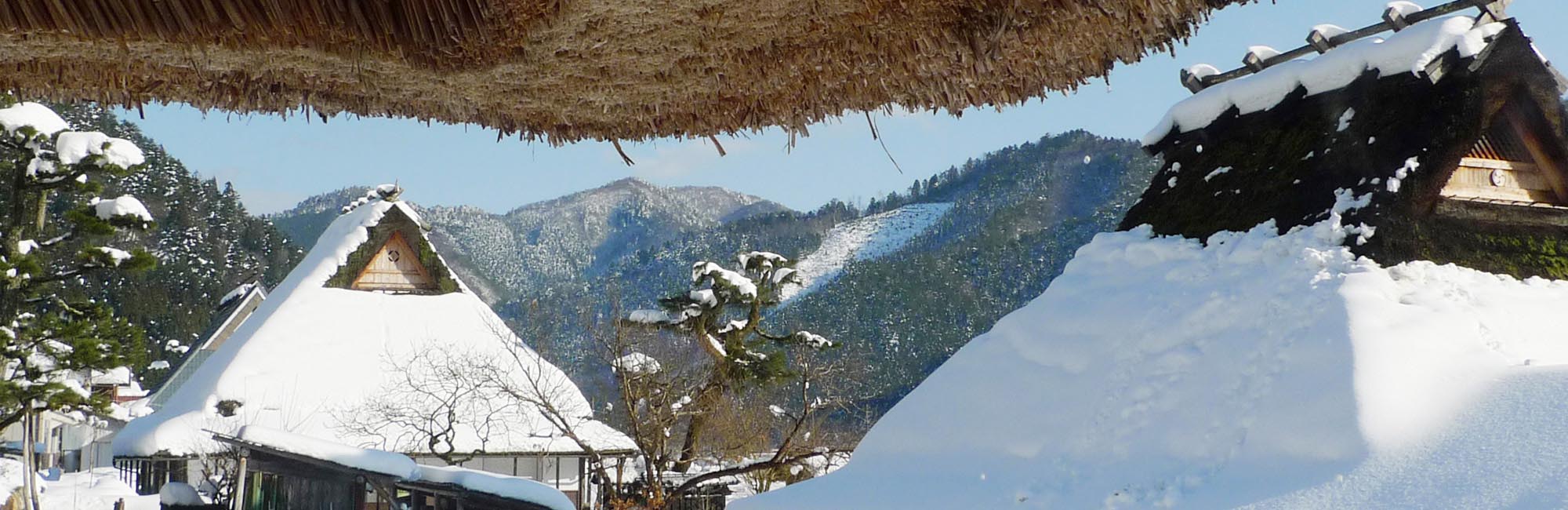
Chubu is a region that has some of the best places and sights to see in Japan. Places like Takato Castle Ruins for cherry blossoms, Kenrokuen Garden for landscaping and Takayama for festivals. Each place is listed in the top three in their sections.
Highlights of Chubu Region
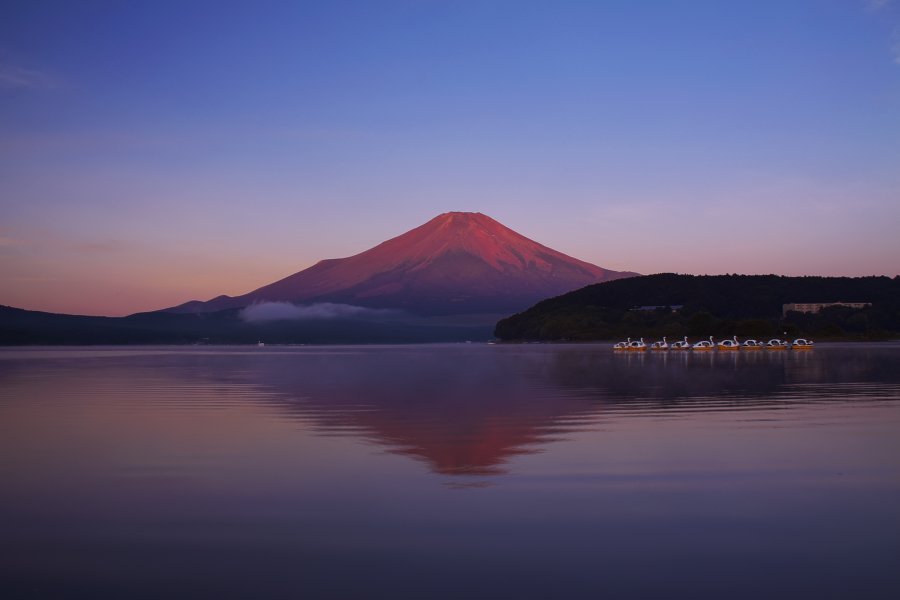
Mount Fuji is the tallest mountain in Japan and has been worshipped as a sacred mountain. The perfect cone shape of the mountain is iconic of Japan.
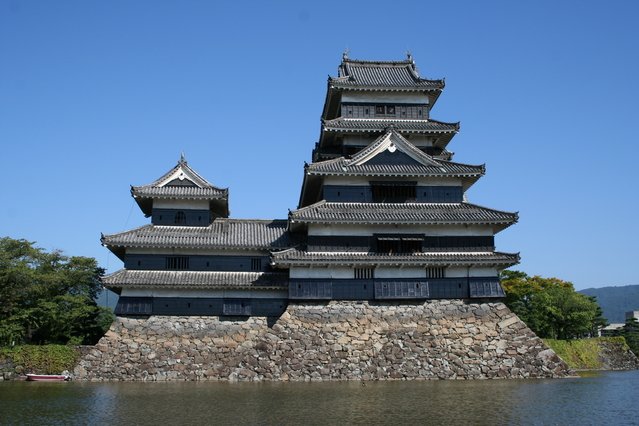
Matsumoto is a castle town in Nagano Prefecture, home to the world-famous Matsumoto “Black Crow” Castle, one of Japan’s 12 original castles.
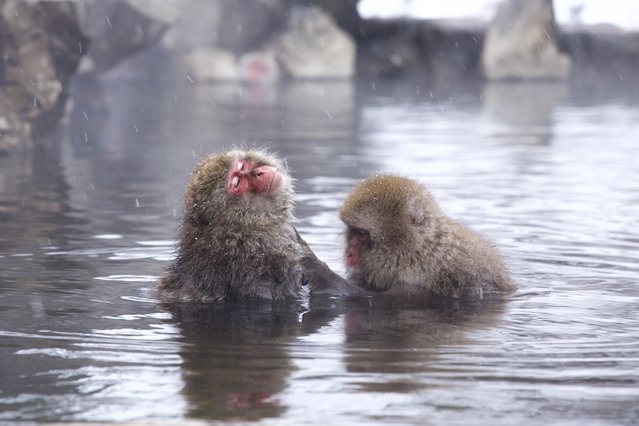
The Jigokudani Monkey Park in Nagano Prefecture is the place where you can see Snow Monkeys bathing in a natural hot spring.
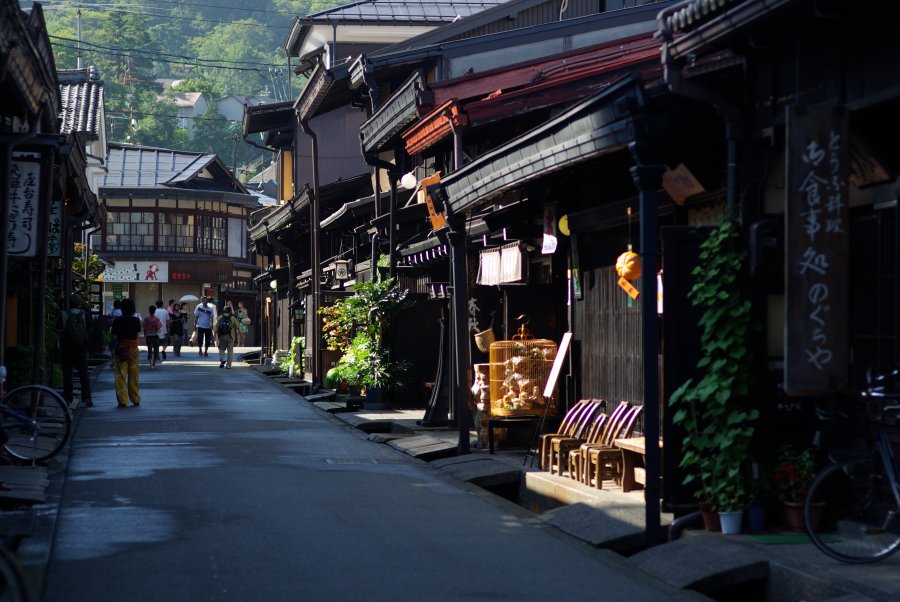
Takayama is located in the northern mountainous region of Gifu Prefecture. The city is known for their traditional structures in Old Town and festivals.
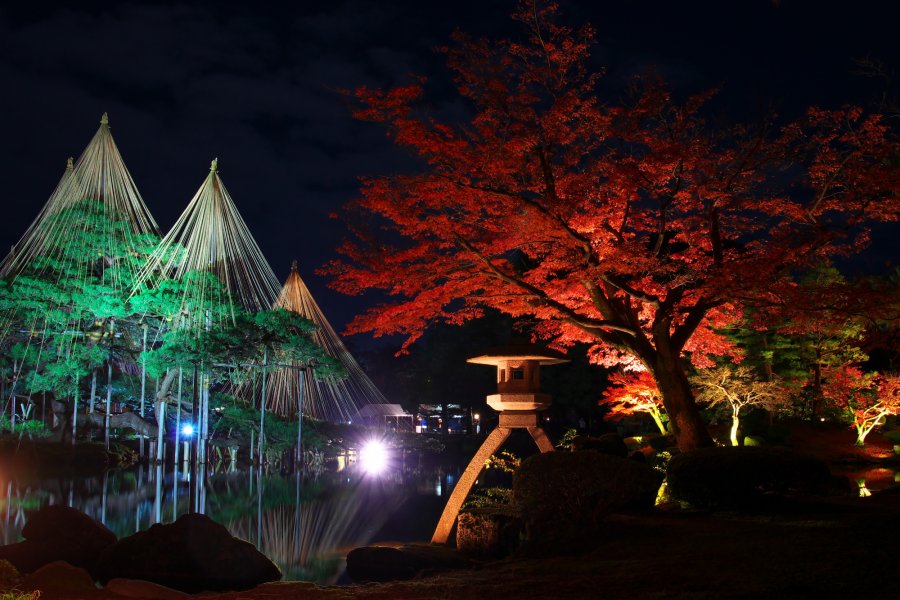
Kanazawa has many historical attractions and the 21st Century Museum, but the city is known for the Kenrokuen. It is one of the three best landscape gardens in Japan.
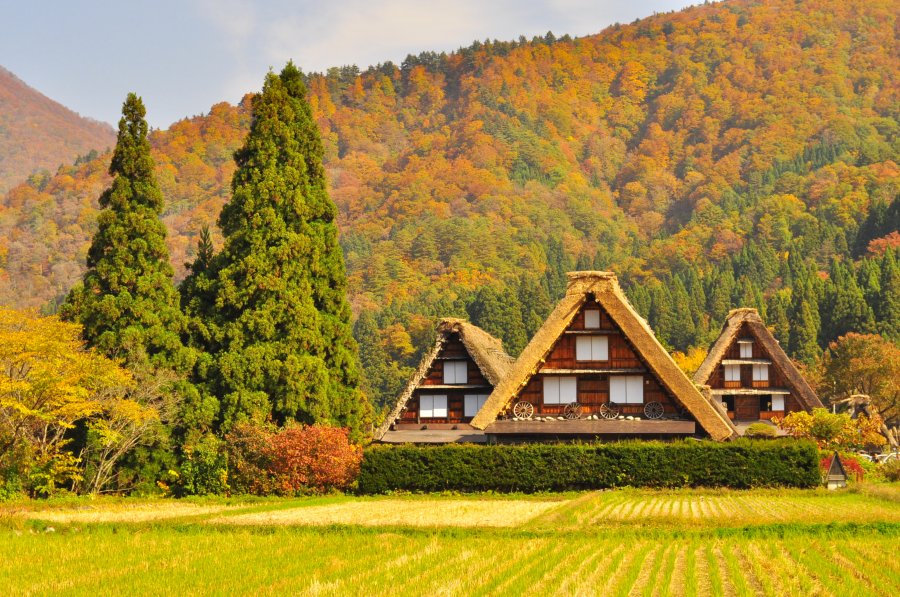
Shirakawago is a village located in the mountainous regions that borders Gifu and Toyama prefectures. It is where you can see the famed Gassho zukuri (prayer hand farmhouses) that were inscribed as UNESCO World Heritage Sites.
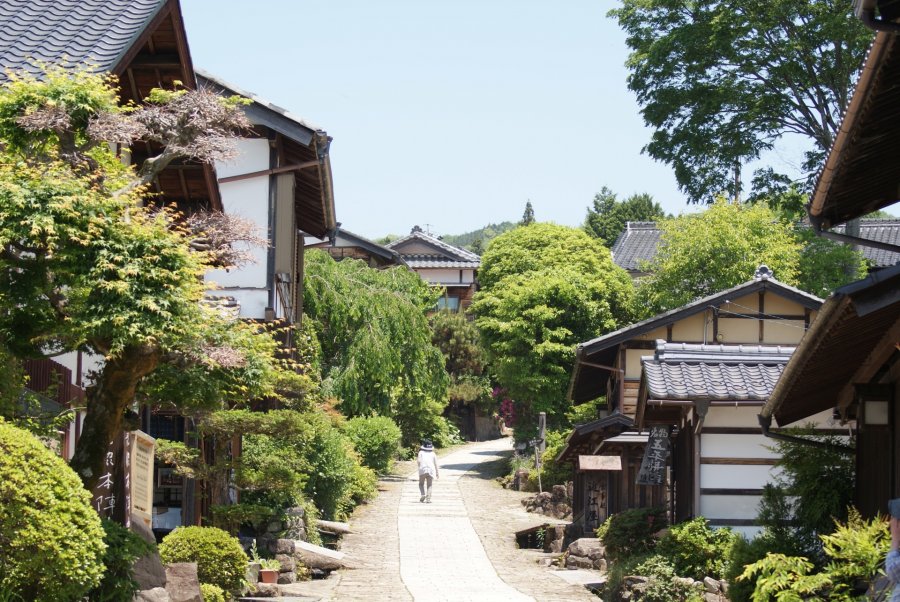
The Kiso Valley is located in Nagano Prefecture, and contains an old traditional highway called the Nakasendo.
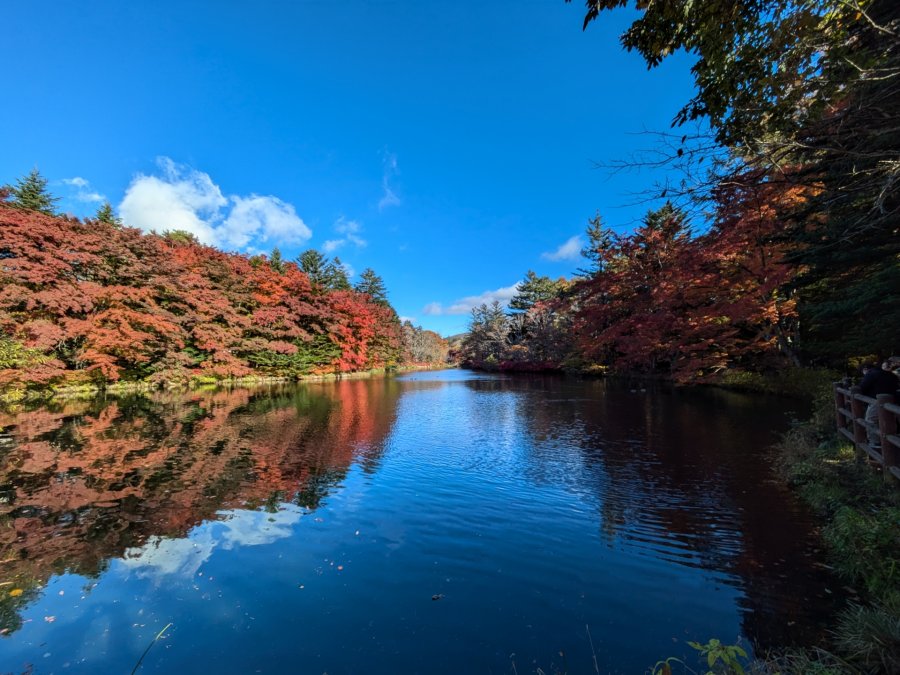
Karuizawa is a mountain resort town in Nagano.
Kansai
Nagashima Onsen | Iga Ueno | Ise | Hikone | Koka | Kyoto | Uji | Nara | Yoshino | Osaka
Koyasan | Kumano | Nanki Shirahama | Kobe | Himeji | Kinosaki Onsen
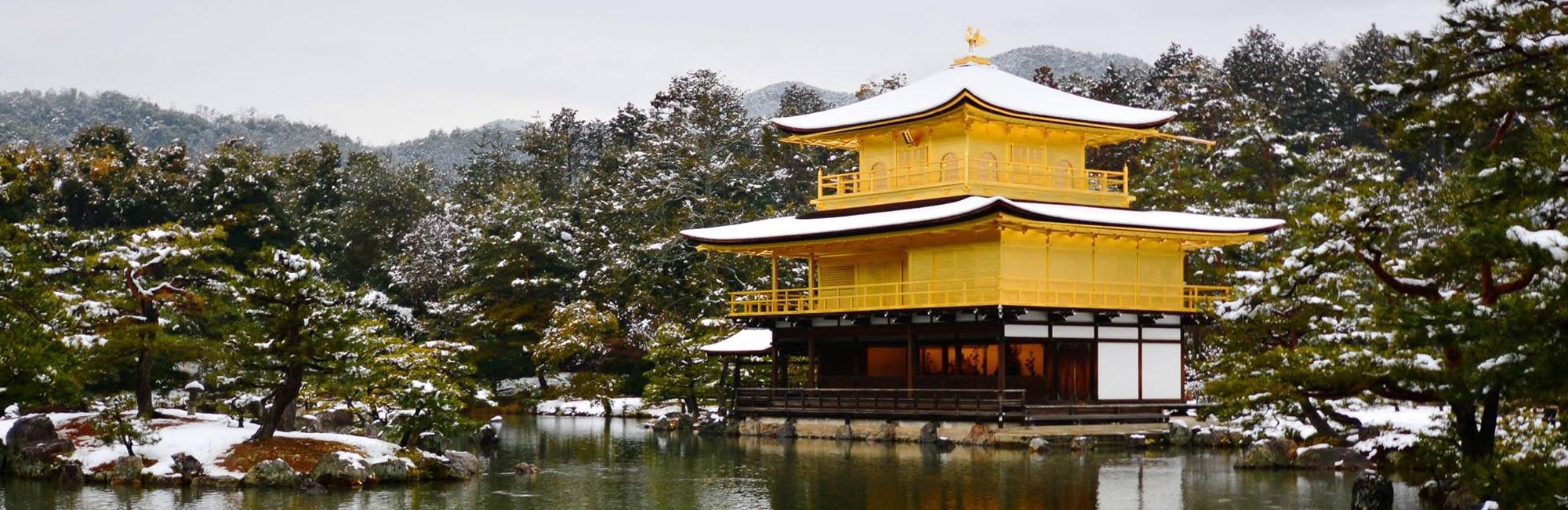
The Kansai Region used to be the political center of Japan, but now it is a place where you can see many historical sites that were carefully preserved. You can see original castles like Himeji and Hikone, religious sites in Ise, Koyasan, and Kumano, historical structures in Kyoto, Nara, and Osaka, etc.
Highlights of Kansai Region
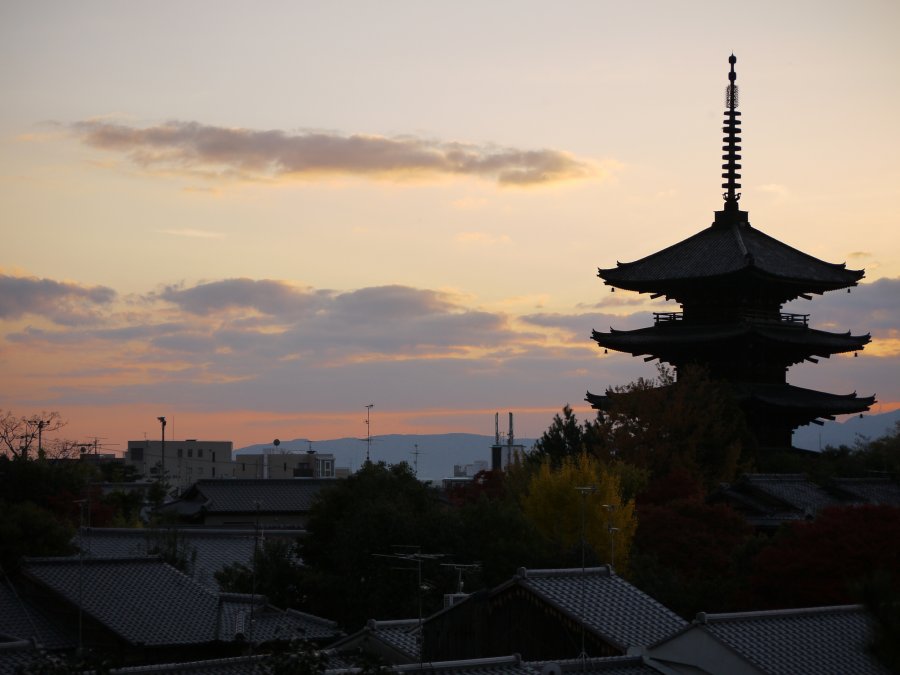
The sites and scenes of Kyoto, Japan's former capital, are still one of the most recommended and admired in Japan.
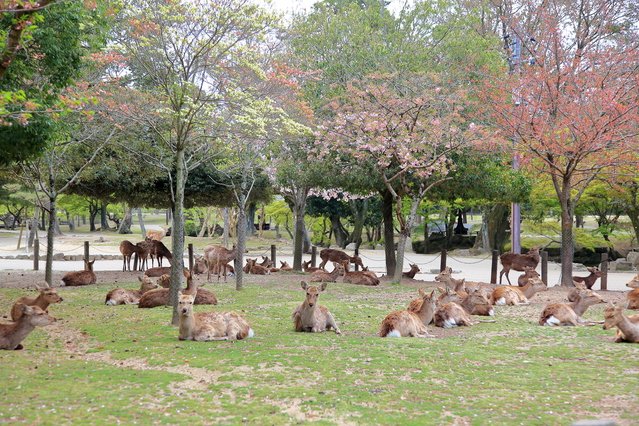
Nara was once the capital of Japan, in fact, it was the first permanent capital established.
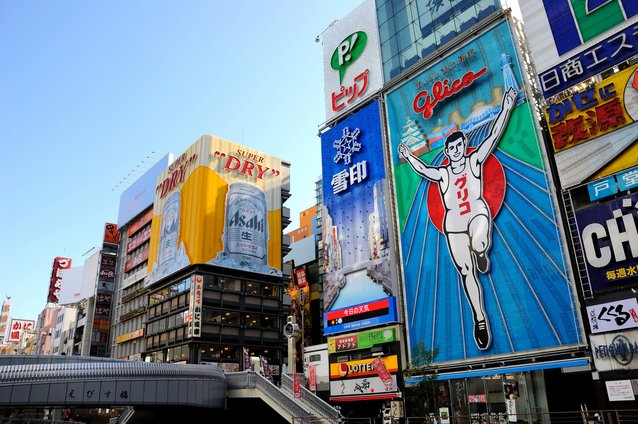
Osaka serves as the primary international travel hub into southern Japan, and is one of the nation’s most culturally dynamic cities.
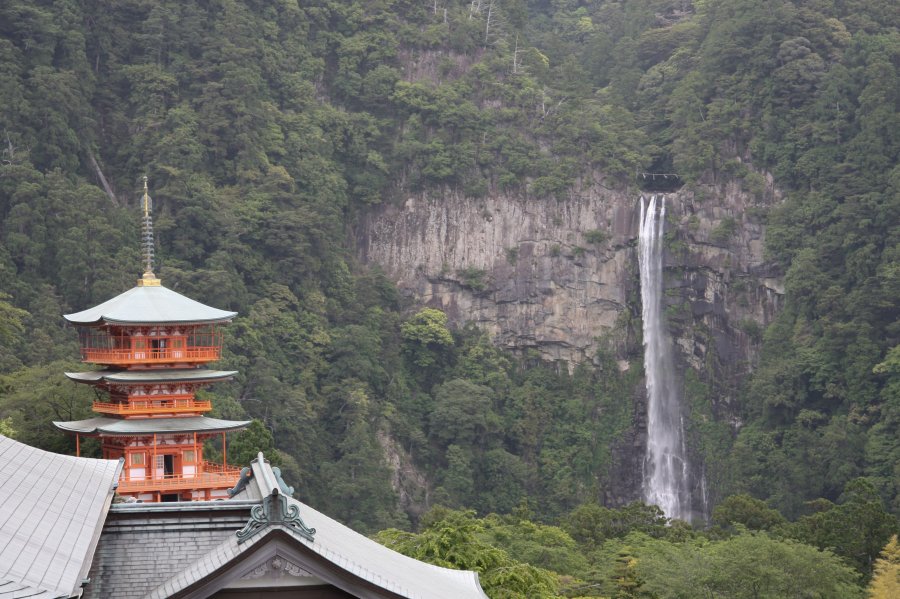
Kumano is located in the Kii Peninsula and spans into the Wakayama and Mie Prefectures. The Hongu, Nachi and Hayatama Taisha are the three famed shrines of the area.
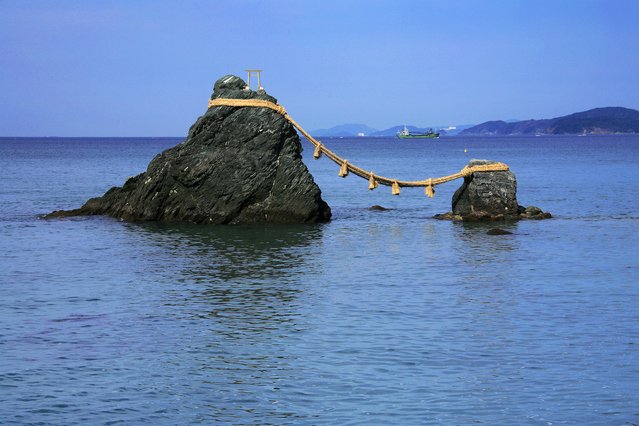
Ise Shima is a peninsula in Mie Prefecture, home to Ise Grand Shrine, the heart of Japan’s Shinto religion, and a history of pearl cultivation.
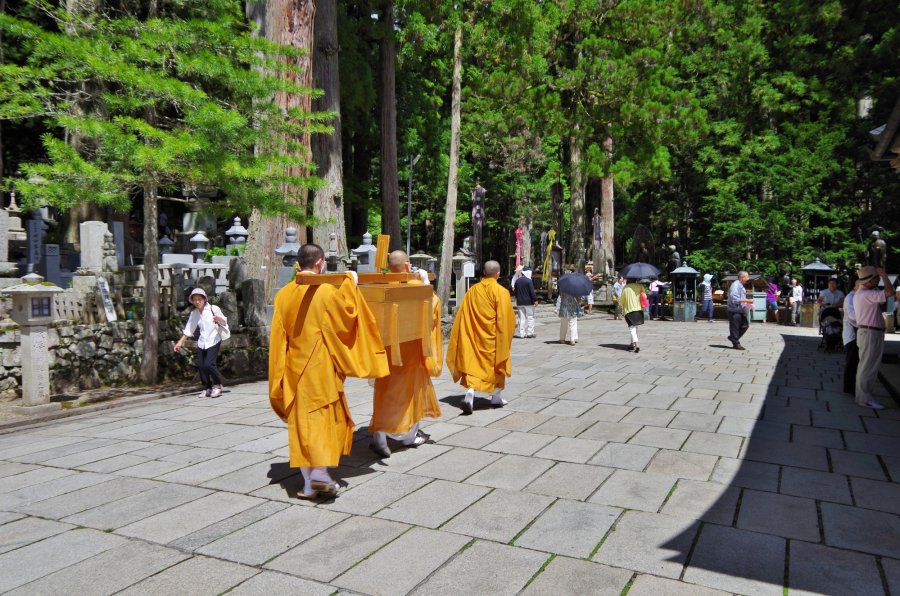
Koyasan is the center for an important Buddhist sect known as Shingon Buddhism. It is located on the forest covered mountain top of Mount Koya.
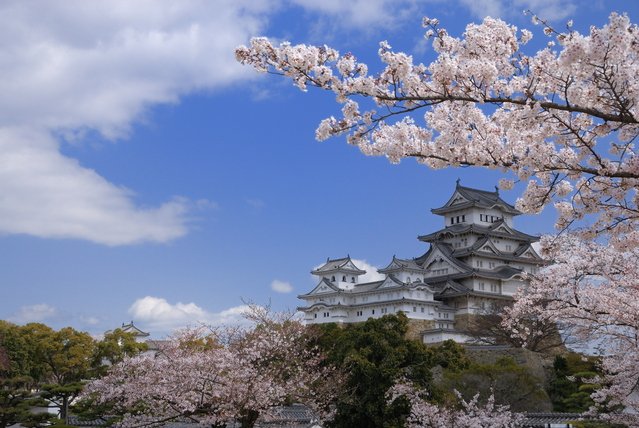
Himeji is a city centered around Himeji “White Heron” Castle, one of Japan’s most magnificent feudal castles, and a UNESCO World Heritage Site.
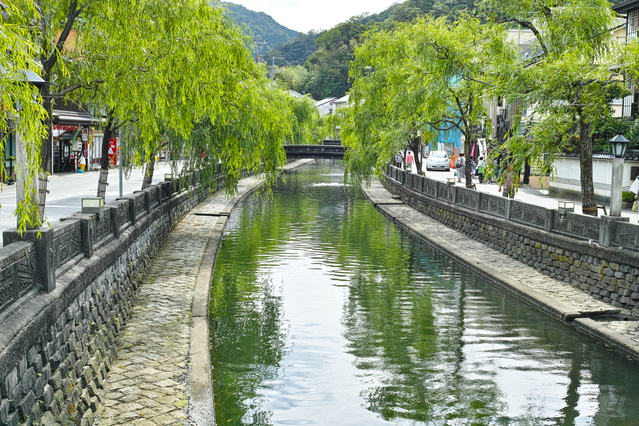
Kinosaki is a resort town in Hyogo Prefecture, and is a popular vacation spot for its refreshing hot spring baths.
Chugoku
Tottori | Matsue | Izumo | Iwami Ginzan | Hagi | Yamaguchi | Akiyoshidai | Iwakuni | Hiroshima | Miyajima | Kurashiki | Okayama
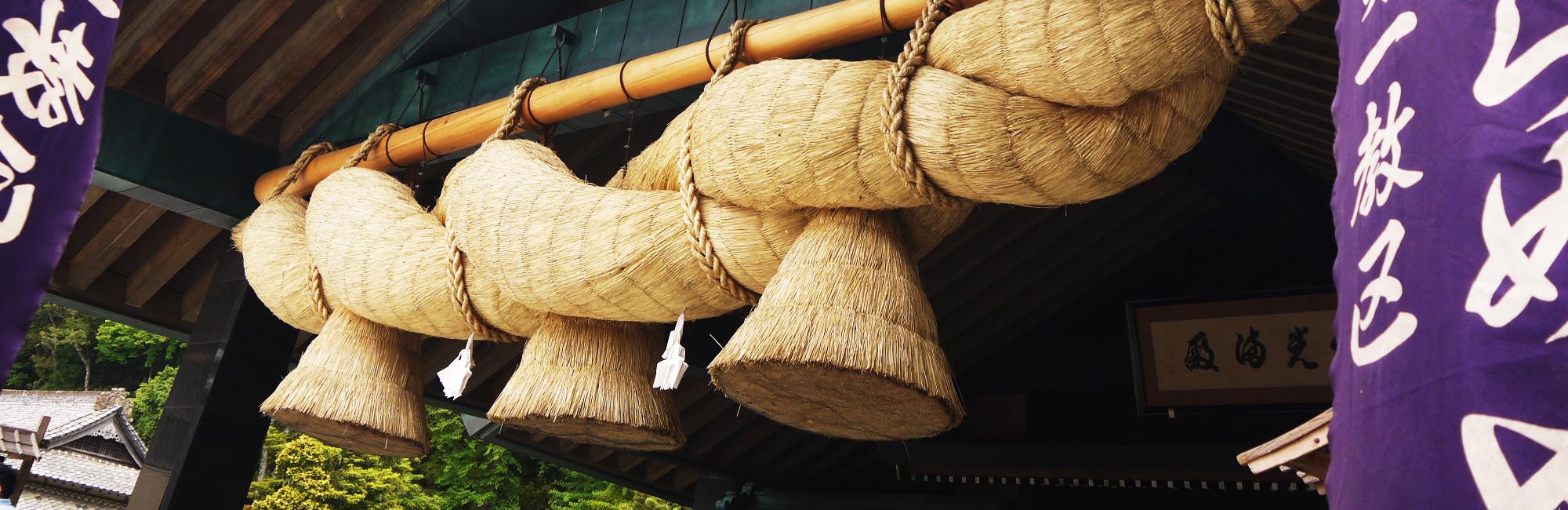
The Chugoku Region has two distinct areas where one is urbanized and the other is rural. It is in this area that you can see one of the three best landscape gardens in Japan in the city Okayama, visit the oldest and sacred Izumo Grand Shrine, and pray for a world without nuclear weapons in Hiroshima.
Highlights of Chugoku Region
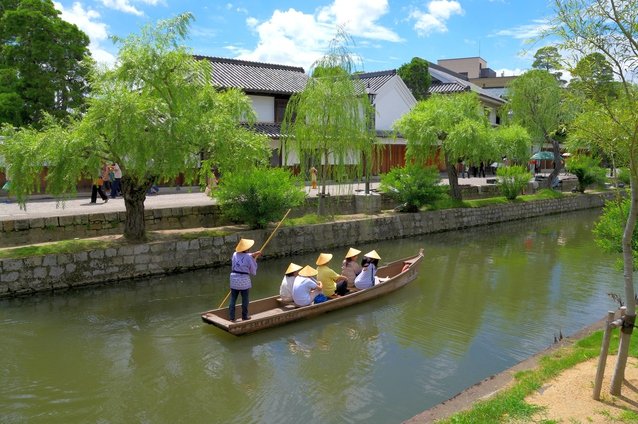
Kurashiki is a city in Okayama Prefecture, noted for its preserved canal area in the Bikan Historical Quarter, a relic from the feudal Edo period when the city was an important rice distribution center.
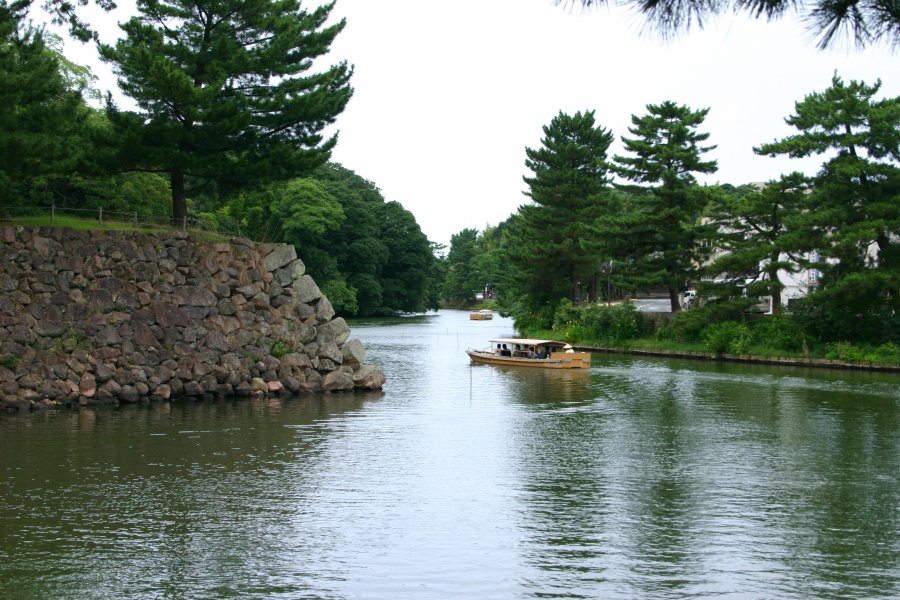
Matsue is the capital city of Shimane Prefecture and is home to one of the twelve original castles in Japan.
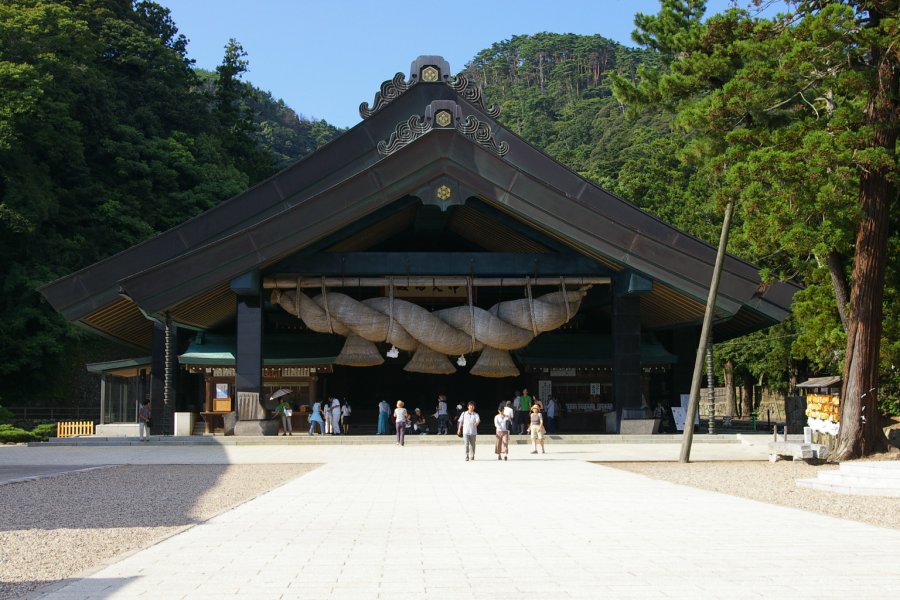
Izumo is a coastal city in Shimane Prefecture in the Chigoku region, known across Japan as the home of one of the Shinto religion’s most important shrines – Izumo Grand Shrine.
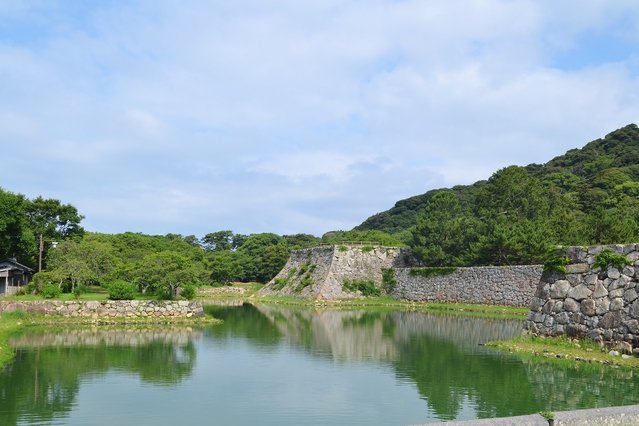
Hagi is a former city in Yamaguchi Prefecture noted for its heritage castle town kept from Japan’s Edo period, in addition to a local style of ceramics.
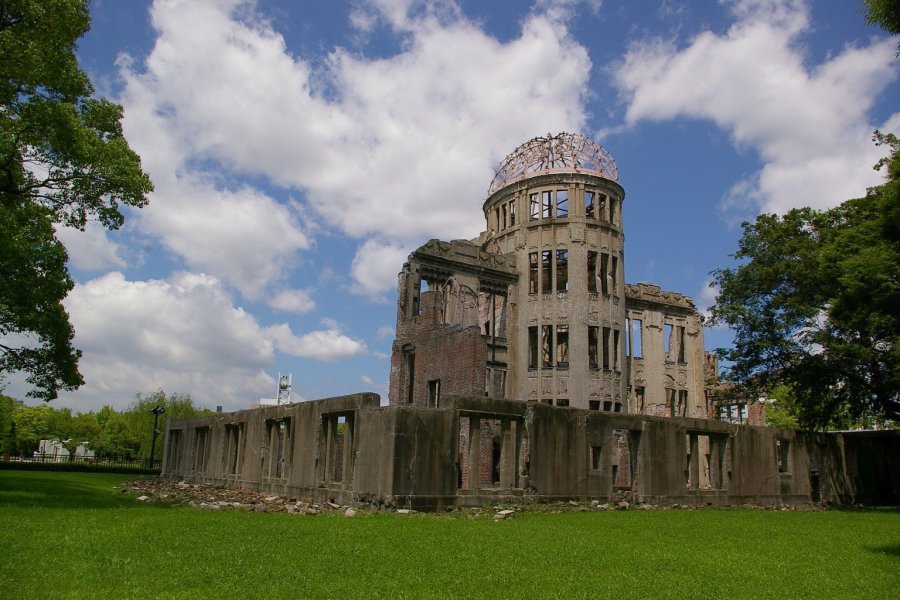
Hiroshima is most known for being the site of the atomic bomb, but it is known for Miyajima Island, one of the top scenic views in Japan.
Shikoku
Tokushima | Naruto | Naoshima | Takamatsu | Kotohira | Iya Valley | Matsuyama | Dogo Onsen
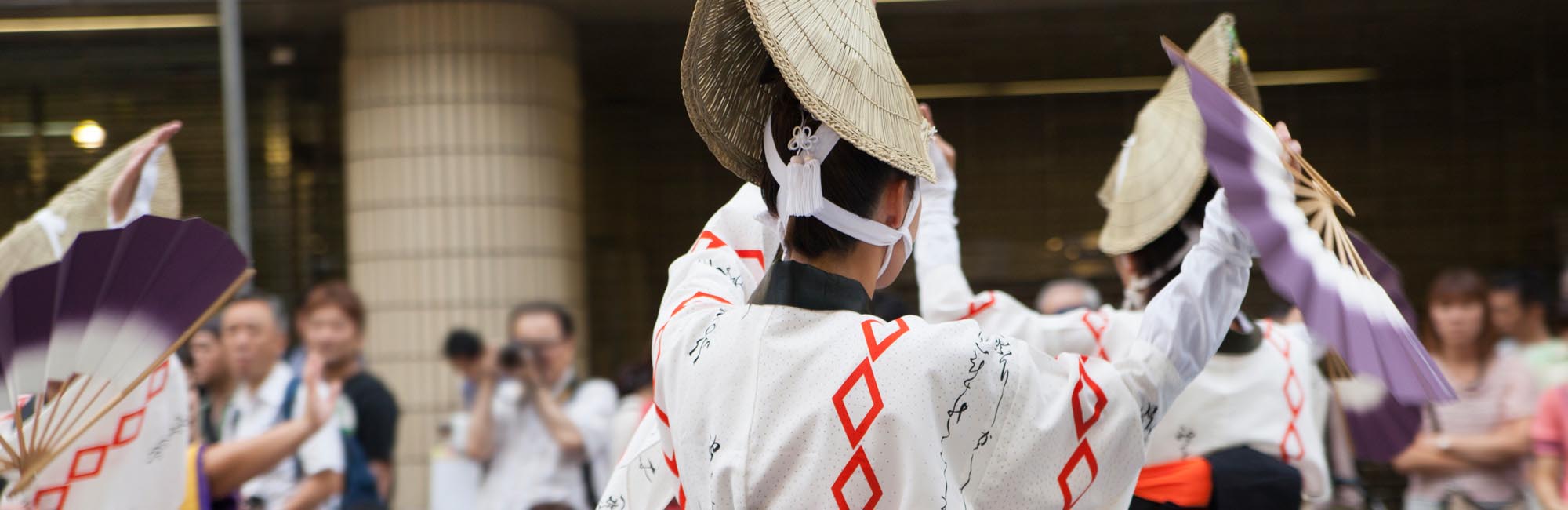
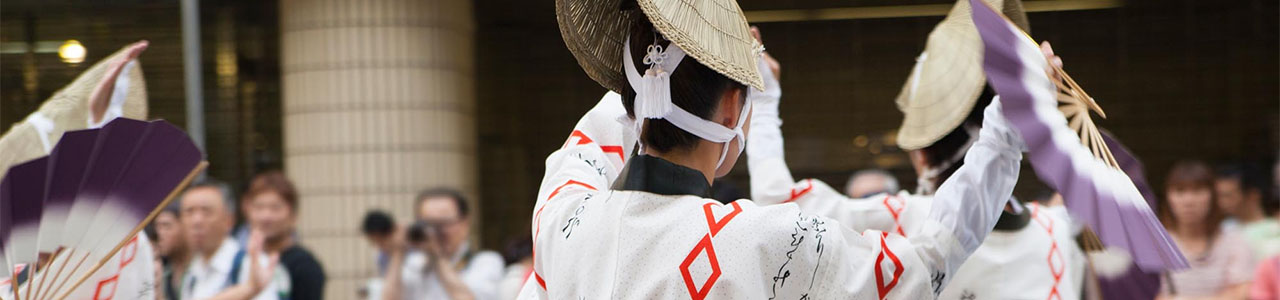
Shikoku is one of the smallest regions in Japan, but offer many attractions for visitors to enjoy. During Obon season you can see the famous Awa Odori in Tokushima, which is a giant dance festival. You can enjoy contemporary art in Naoshima. Then enjoy taking a cruise near the whirlpools of Naruto.
Highlights of Shikoku Region
Shikoku is one of the smallest islands in Japan and consists of only four prefectures. It is known for the beautiful nature related sites.
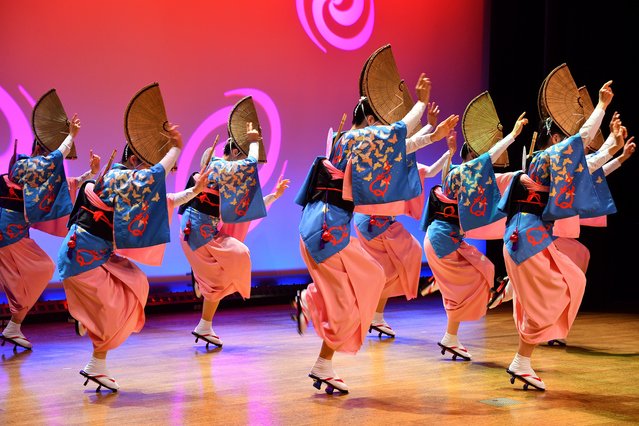
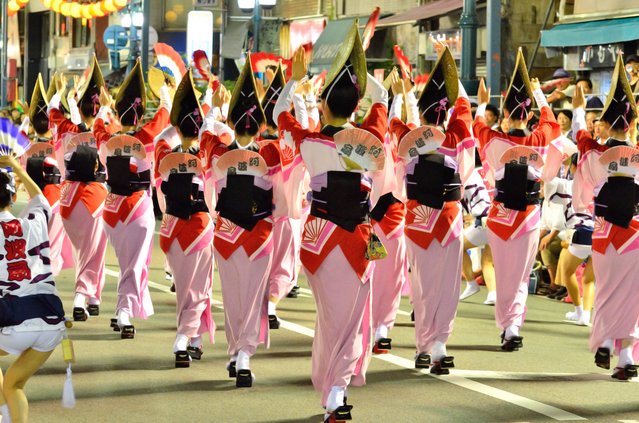
Tokushima is valued for some of the prettiest natural wonders in Shikoku - the Naruto Whirlpools and Oboke River Gorge, but the city really comes alive every August for the annual Awa Odori Festival.
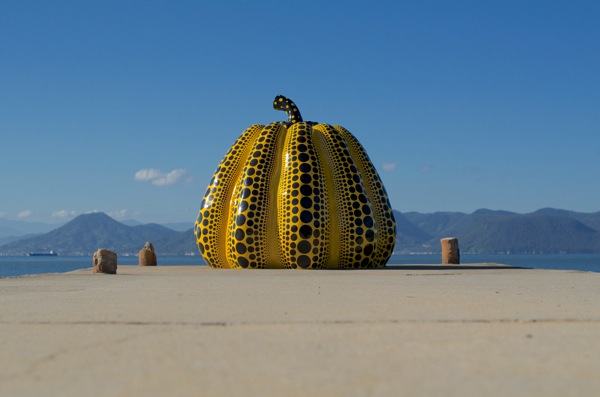
Naoshima Island is located in the Seto Inland Sea and is part of Kagawa Prefecture. The island is mostly known for the modern art museums, sculptures, and architecture that were funded by the Benesse Corporation.
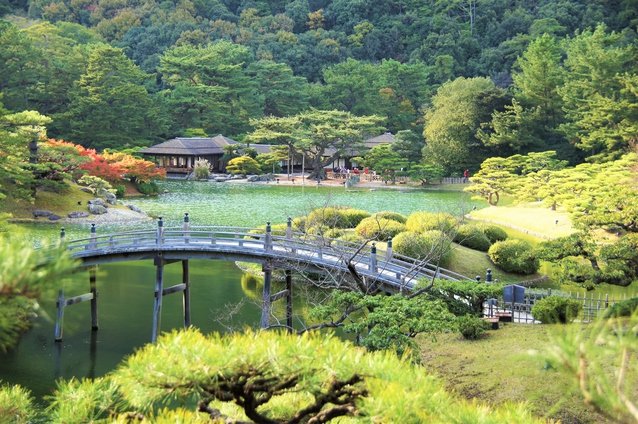
Takamatsu’s central location in Kagawa Prefecture makes the city an easy gateway to Shikoku’s regional delights, possessing a number of exclusive charms including beautiful Ritsurin Garden.
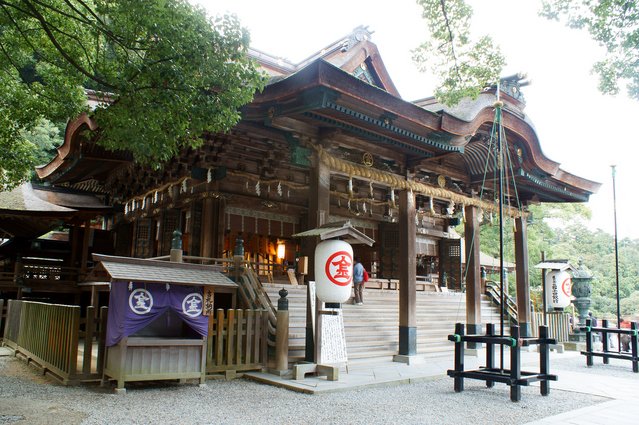
Kotohira is a town in Kagawa Prefecture and an area of spiritual significance to the Shikoku Region, with lofty Kotohira-gu Shrine notable for its challenging ascent and accompanying bird’s-eye view.
Kyushu
Fukuoka | Arita | Saga | Nagasaki | Kumamoto | Aso | Beppu | Yufuin | Takachiho | Kagoshima | Ibusuki | Yakushima
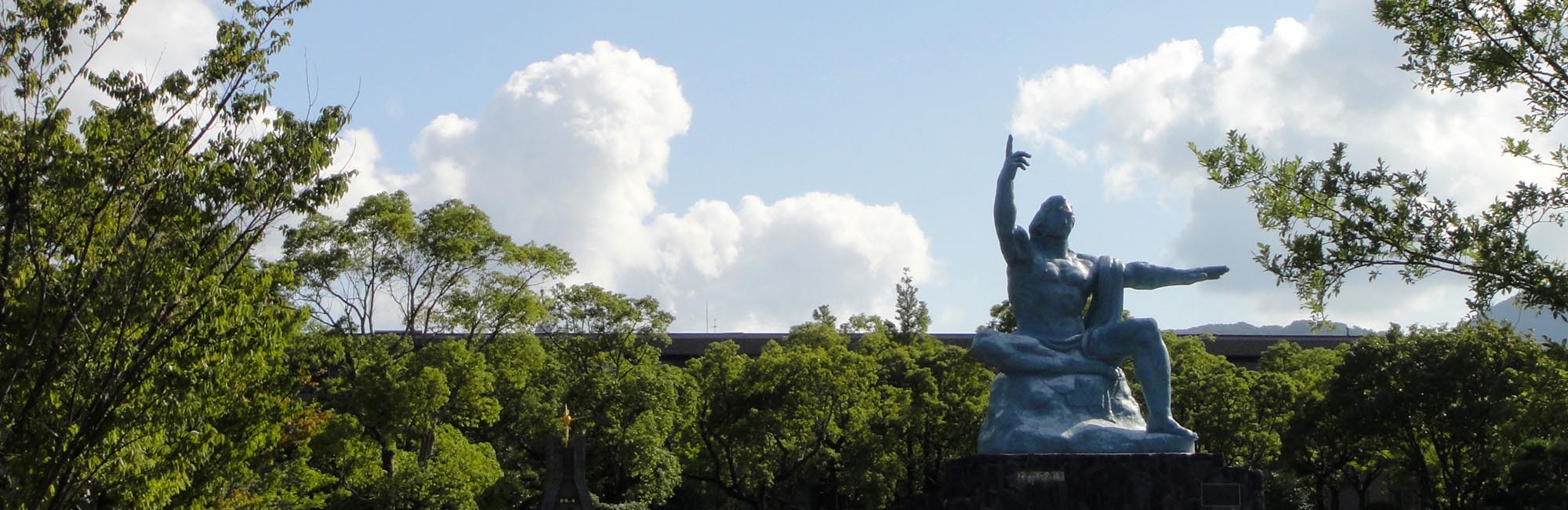
Kyushu region is the third largest of all the areas in Japan. There are a few onsen places that are famous throughout Japan. Beppu produces the most hot spring water in Japan and Yufuin has great views of Mount Yufu. It is also where you can go to Nagasaki, Yakushima, Kagoshima and Saga.
Highlights of Kyushu Region
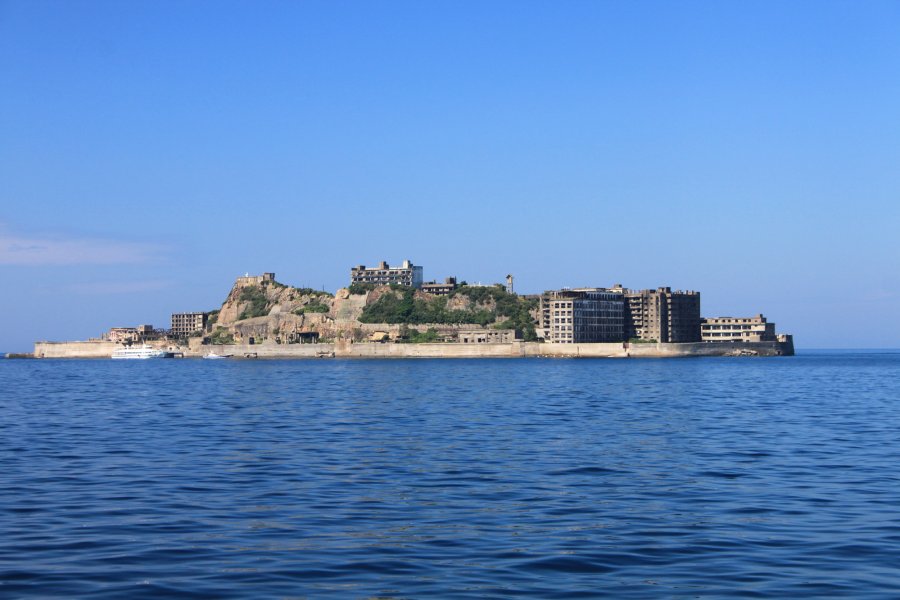
Gunkanjima Island is located about 9 miles away from the port of Nagasaki. For a long time the small island served as a coal mine where over 5000 residents lived until 1974.
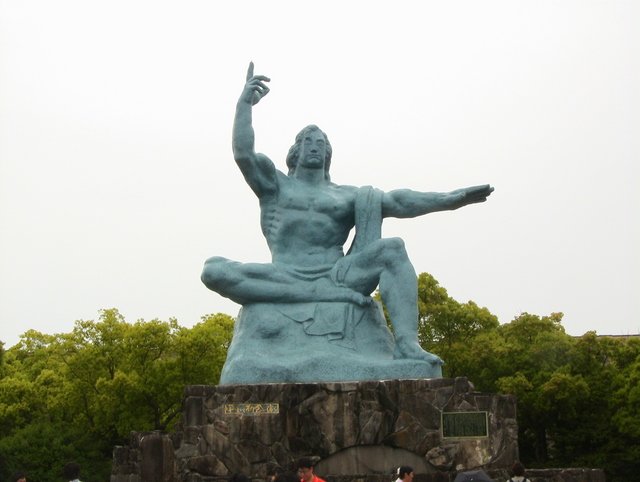
Nagasaki is home to a tranquil Peace Park built in memory of the terrible nuclear attack during World War 2, yet preserves a secret heart of Hidden Christian Sites.
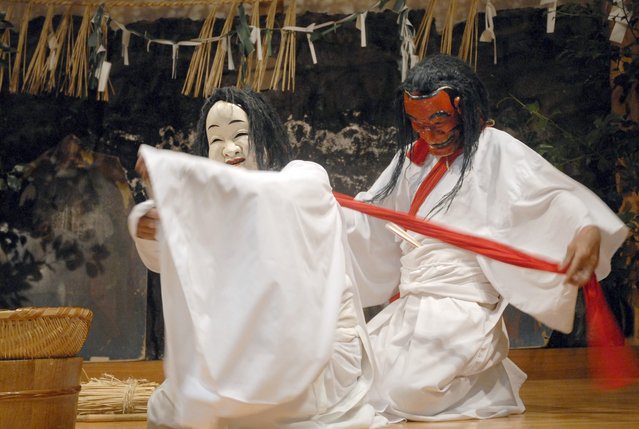
Takachiho is located in Miyazaki Prefecture and is known for the Takachiho Gorge, which has sheer cliffs that resemble dragon scales.
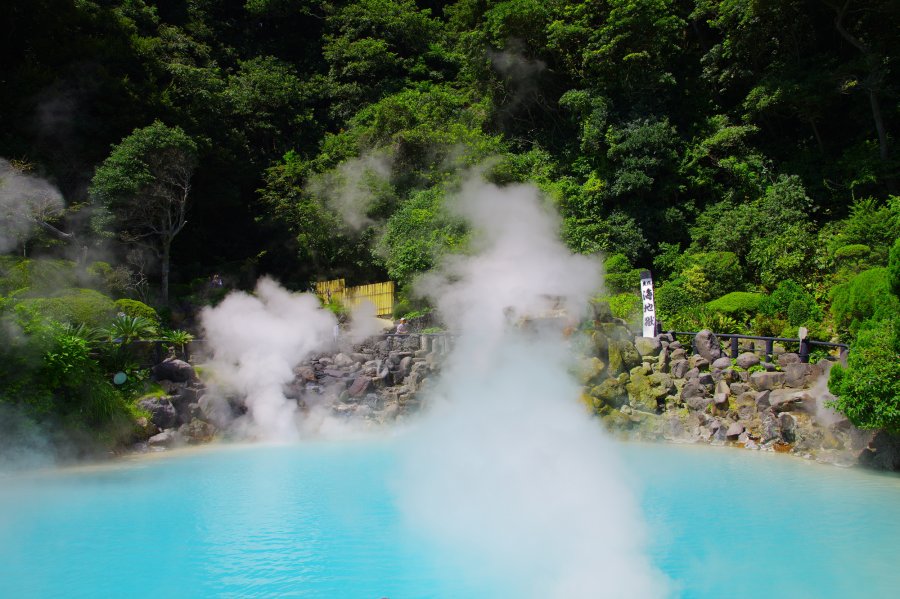
Beppu Hells refers to the eight hot springs that are meant more for viewing than for bathing.
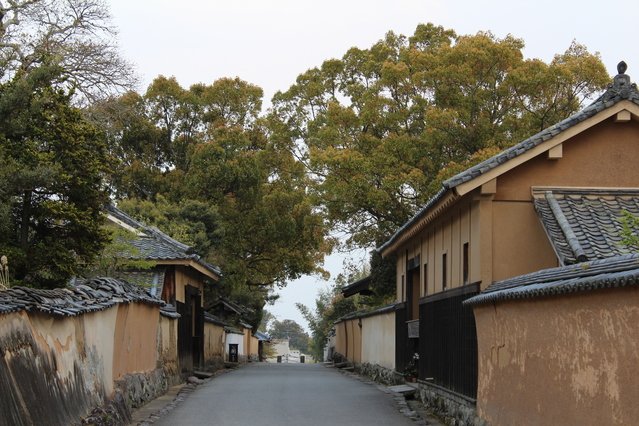
Kitsuki is a small castle town known for a pair of well- preserved samurai districts bordering the town’s commercial center, as well as reconstructed Kitsuki Castle – the smallest of Japan’s feudal fortresses.
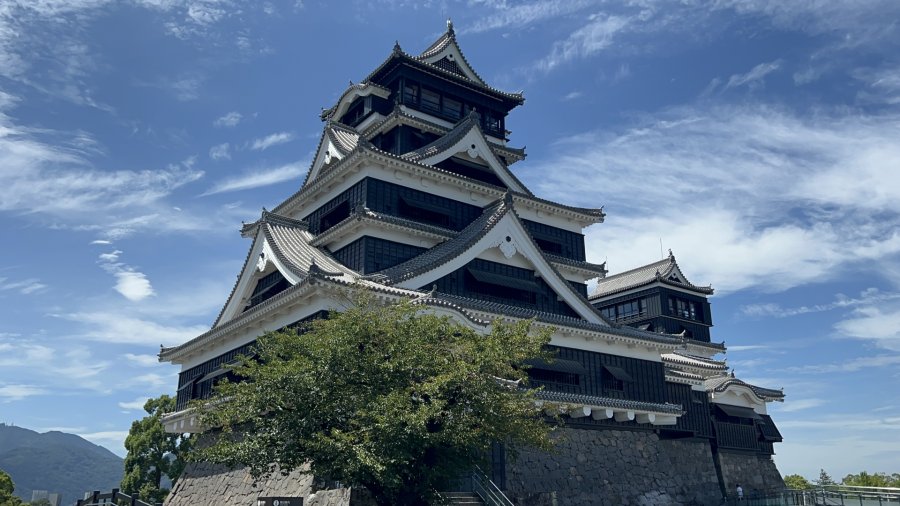
Kumamoto is a city on the island of Kyushu, and the capital city of Kumamoto prefecture.
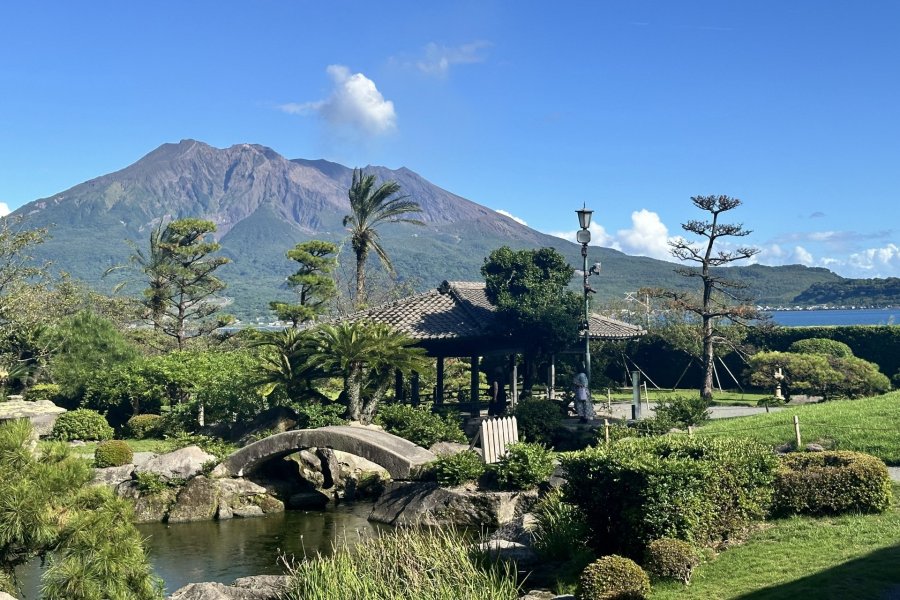
Kagoshima is a major port city on Kyushu island, and the central city of Kagoshima prefecture.
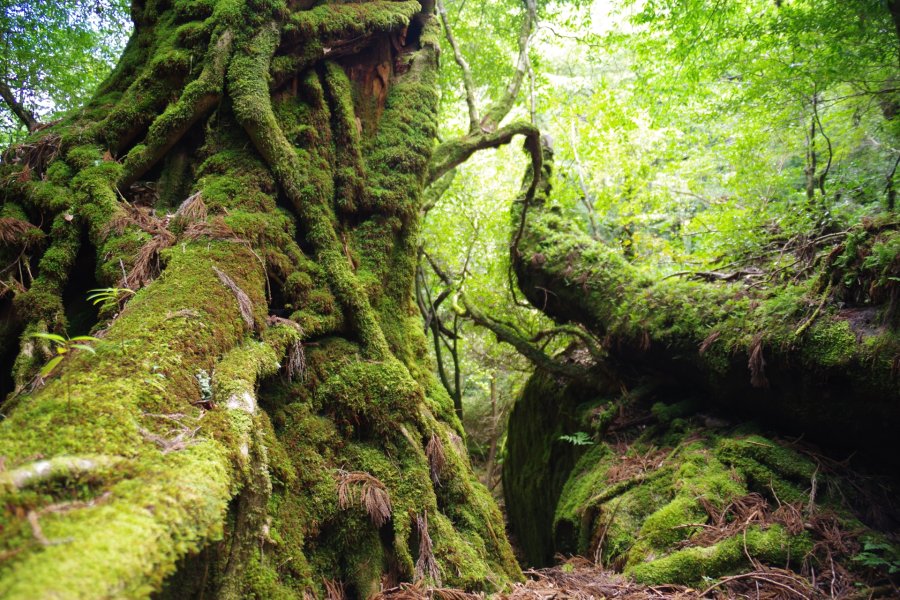
Yakushima is a small island off the coast of Kyushu that draws hikers to explore its lush cedar forests.
Okinawa
Fukuoka | Arita | Saga | Nagasaki | Kumamoto | Aso | Beppu | Yufuin | Takachiho | Kagoshima | Ibusuki | Yakushima
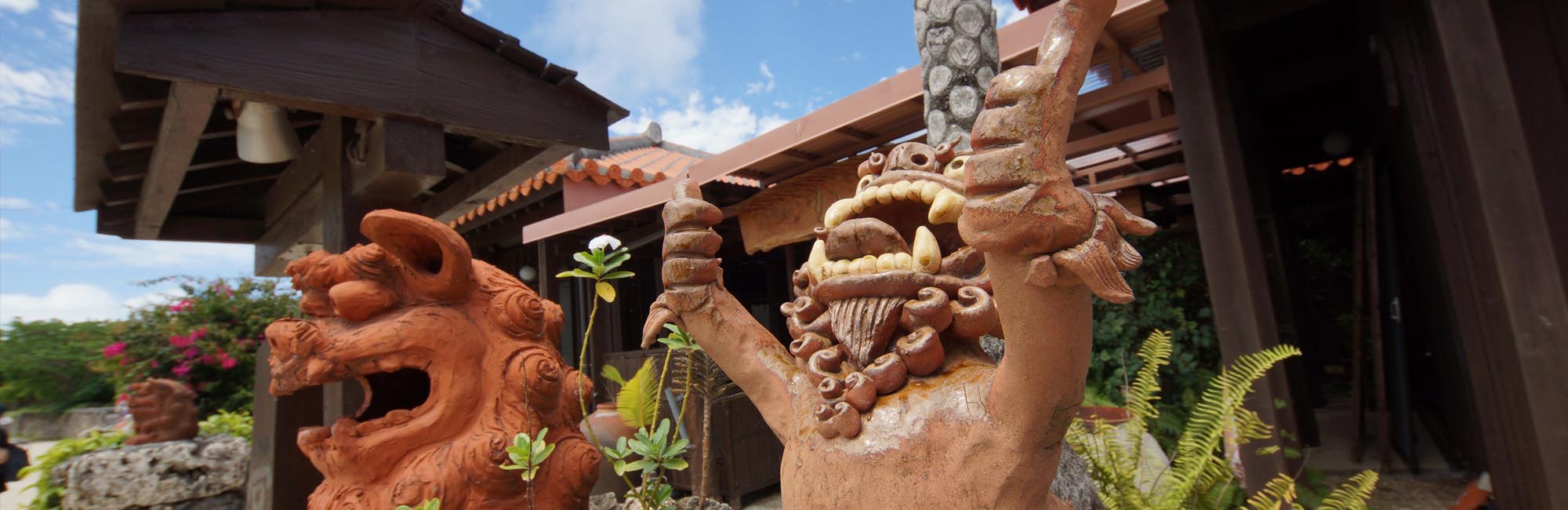
Okinawa consists of smaller islands that make up the region. With the subtropical weather year round and beautiful waters surrounding the islands makes for a great getaway from the city life. There you can see the unique Ryukyuan culture, which is native to Okinawa.
Contact our Travel Consultant
- 1-855-325-2726 (US/Canada)
- 1-909-988-8885 (International)
- Mon. - Fri.
- 8:30am - 5:30pm (PST)
- (Except National Holidays)
- info@alljapantours.com
- Our California office it's now
- 13:02 PM(Fri) - We Are Open
- Tel: 1-909-988-8885 Toll free : 1-855-325-2726 (USA & CANADA)
- Whatsapp: Website Line : 1-909-818-5901
- info@alljapantours.comFollow Us :
- Monday to Friday 8:30AM - 5:30PM (PST) Saturday 9:00AM - 3:00PM (PST)
- CONTACT US
Why Travel on Our
Group Tours
Lorem Ipsum is simply dummy text of the printing and typesetting industry. Lorem Ipsum has been the industry's standard dummy text ever since the 1500s, when an unknown printer took a galley of type and scrambled it to make a type specimen book.
Best Itinerary
Planned by experts, based on seasonal favorites and must-see sites.
Budget-friendly
Choose your style and split cost with other passengers
Hand-picked Accommodations
Chosen by our experienced staff
Fully Guided
Guide is available to you 24/7 and sleeps in the same hotel
Unique experiences
Learn to create your own Sushi, meet a geisha or maiko, and more
Connect
Meet locals and visit rural areas of Japan you might miss on other tours
What our customers say
4.9 stars based on 785 REVIEWS
We had a wonderful time! From the moment we left the plane, it was easy and effortless. It was such a big help to have the guide meet us at the airport. Our guide Billy was knowledgeable and helpful with everything. The hotel rooms were great. The variety of activiities was unmatched. I loved every moment in Japan. Thank you for making it possible!
Read MoreOur tour guide was amazing. He was very knowledgeable and friendly. If we go on another trip, we would like to get Mr. Billy again. The tour itself was great. We loved all the festivals. We just wished that there was more time to shop. The
Read MoreShu was fabulous. Very entertaining, knowledgeable.
Shu was amazing and made the tour 5 stars.
Everything was great! Our tour guide Billy gave us a lot of useful information and he was able to rearranged the itinerary a bit due to weather. Our driver was also very accommodating. The itinerary was very efficient and we are able to see a lot of sights and major highlights during the tour.
Read More