- Our California office it's now
- 12:54 PM(Fri) - We Are Open
- Tel: 1-909-988-8885 Toll free : 1-855-325-2726 (USA & CANADA)
- info@alljapantours.comFollow Us :


- Monday to Friday 8:30AM - 5:30PM (PST) Saturday 8:30AM - 3:00PM (PST)
- CONTACT US
JAPAN SIGNATURE SMALL GROUP TOURS THAT FEEL PERSONAL
I’ll be honest, before going to Japan, I thought it would feel like a checklist.
You know the kind. Rush through Tokyo, snap a photo in Kyoto, eat everything in Osaka, and try to squeeze in everything else in between. I expected long days, tight schedules, and that constant feeling of being one step behind.
But that’s not what it felt like at all.
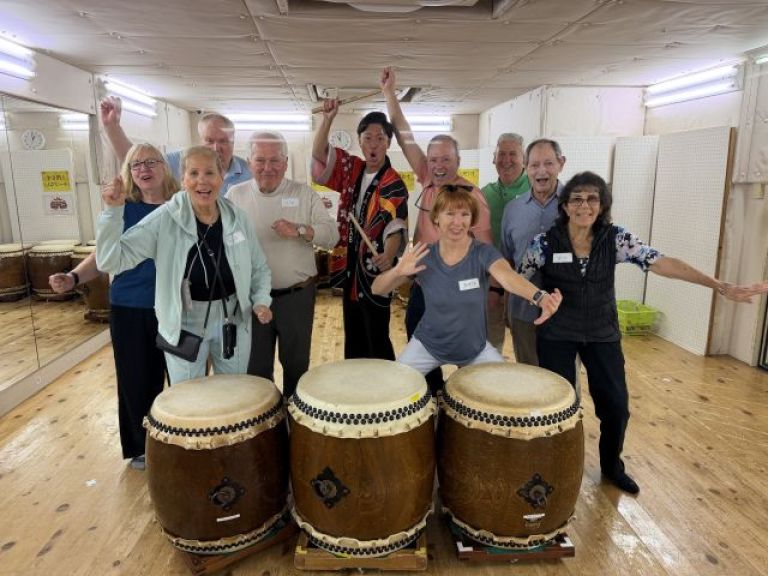
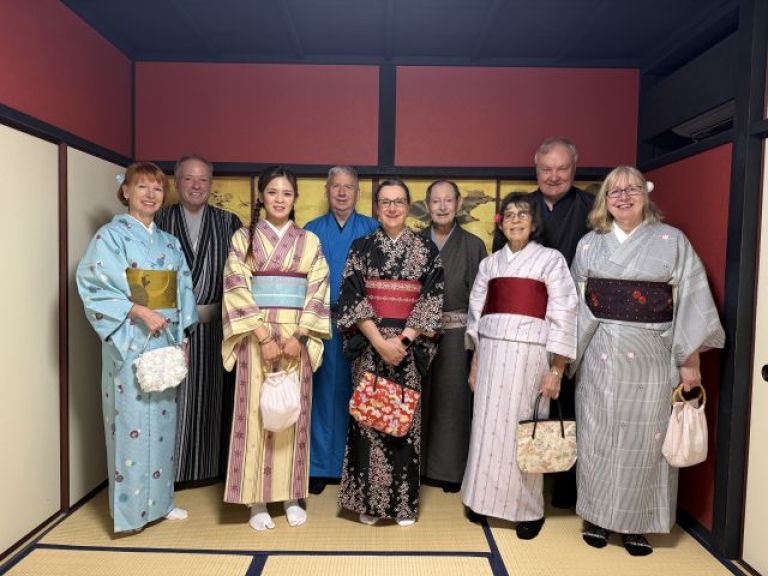
What surprised me most was how personal the whole experience became, and how much that came down to traveling in a smaller group. It didn’t feel like being moved from place to place. It felt like being guided through a country in a way that actually made sense. There was structure, yes, but also space.
Enough room to notice things. Enough time to pause. Enough freedom to actually enjoy where you are.
IT’S THE LITTLE DETAILS THAT STAY WITH YOU
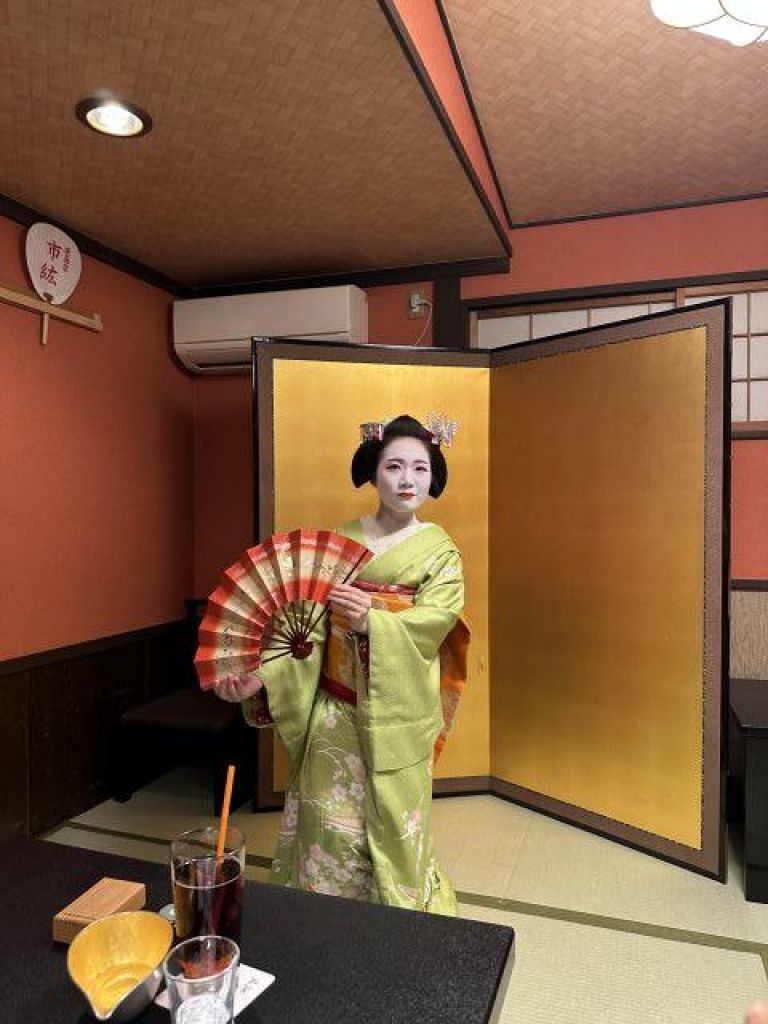
People always talk about the big sights, and they’re absolutely worth it, but what stayed with me were the smaller moments.
The faint scent of cedar at a shrine. The way a shopkeeper wraps something with care. The quiet melody at a train station just before departure.
Fun fact: Many train stations in Japan use unique departure melodies to gently signal boarding time instead of loud announcements.
Traveling in a smaller group made it easier to notice all of this. There was less rushing, less waiting, and less background noise. You could actually hear your guide, ask questions, and take a moment without feeling like you were slowing everyone down.
And those small moments? They add up.
THE CITIES ARE INCREDIBLE, BUT THE IN-BETWEEN PLACES STAY WITH YOU
Yes, the big cities live up to the hype.
Tokyo feels like multiple worlds layered together, neon lights, quiet alleys, shrines tucked between skyscrapers.
Fun fact: Tokyo is the largest metropolitan area in the world, with over 37 million people.
Kyoto slows everything down, wooden streets, temple bells, and peaceful gardens.
Osaka brings the energy back, louder, more relaxed, and completely centered around food.
But honestly? The places I didn’t expect much from ended up being the ones I loved the most.
Where Japan really opens up
Leaving the cities changes everything.Hakone feels like a breath of fresh air, mountains, lakes, and if you’re lucky, a clear view of Mount Fuji.
Fun fact: Mount Fuji is an active volcano that last erupted in 1707 and is still monitored today.
Takayama feels like stepping into a different time, morning markets, preserved streets, and a slower pace of life.
Shirakawa-go looks like a postcard, but it’s real, steep-roofed houses built to withstand heavy snow.
Fun fact: These houses are called gassho-zukuri, meaning “hands in prayer,” because of their shape.
Kanazawa adds a quieter kind of beauty, gardens, culture, and incredible food without overwhelming crowds.
These places don’t try to impress you, they just feel real. And that’s why they stay with you.
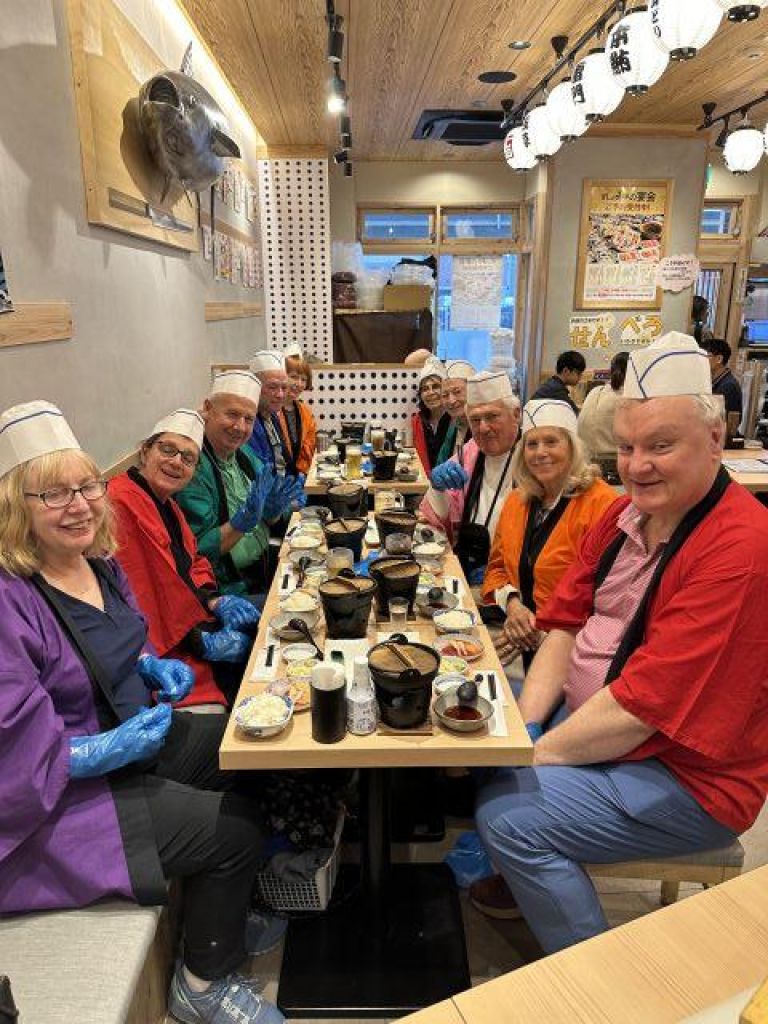
THE PACE MAKES ALL THE DIFFERENCE
This is something I didn’t expect, but it might matter the most.
With a smaller group, everything just felt… easier.
Less waiting. Less confusion. Less time spent figuring things out.
Fun fact: Japan’s bullet trains are so punctual that delays are measured in seconds, not minutes.
When transportation, timing, and logistics are handled, you stop stressing and start experiencing.
The days feel balanced instead of rushed. You’re not constantly checking the time. You actually get to enjoy where you are.
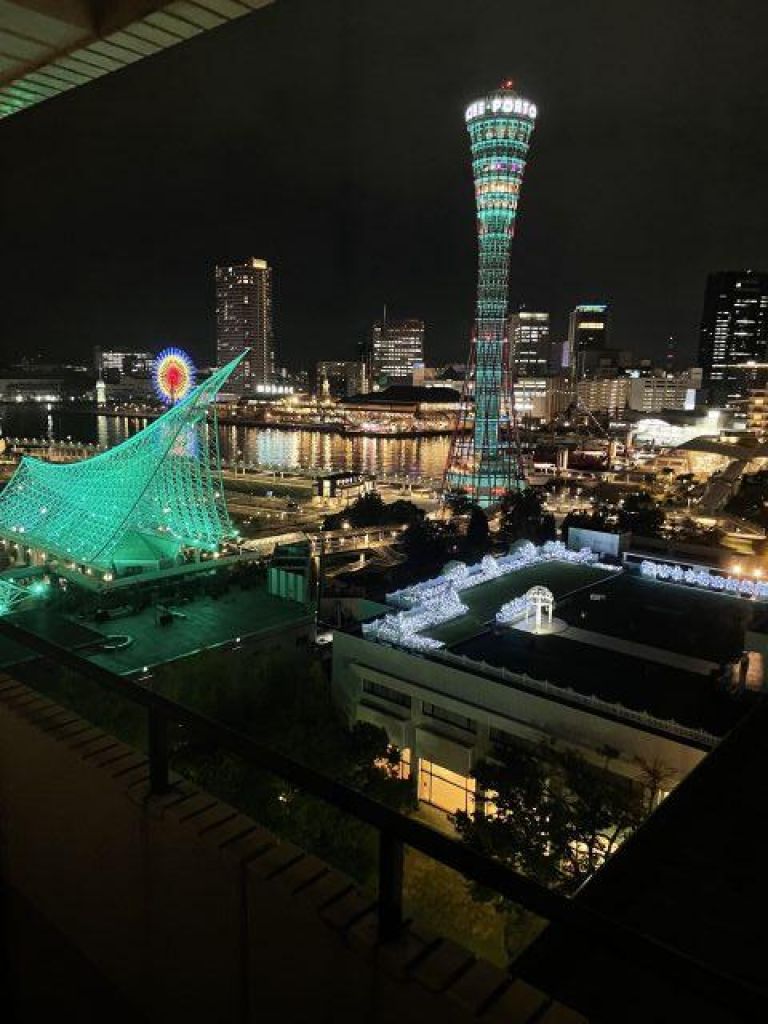
FOOD BECOMES PART OF THE EXPERIENCE
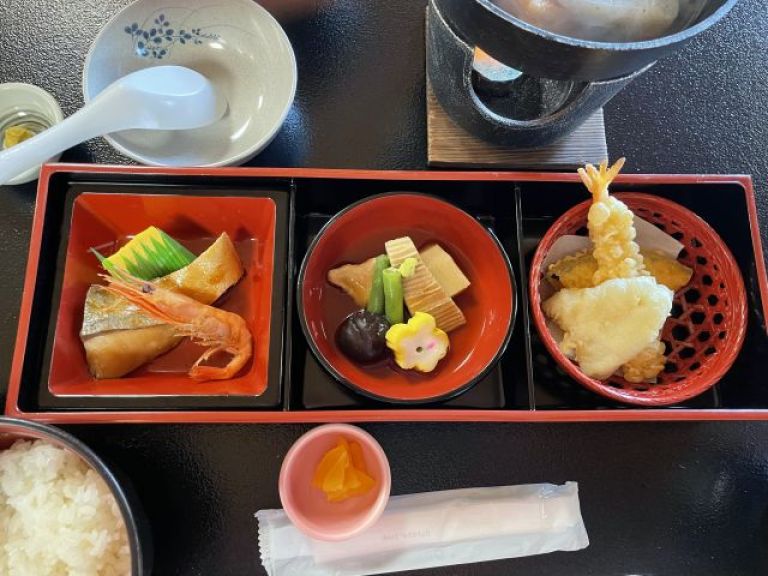
Food in Japan isn’t just something you fit into your schedule, it becomes part of the journey.
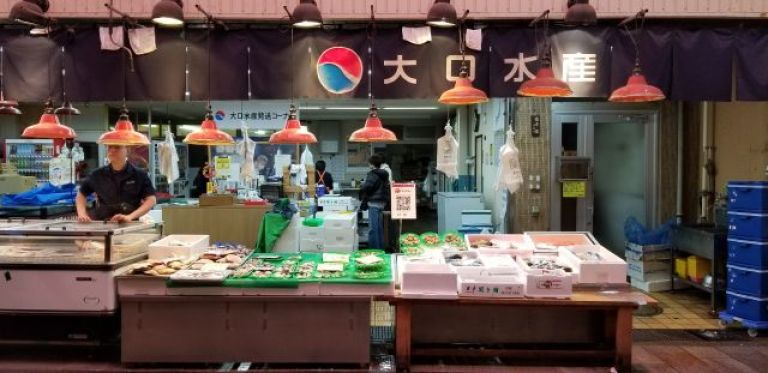
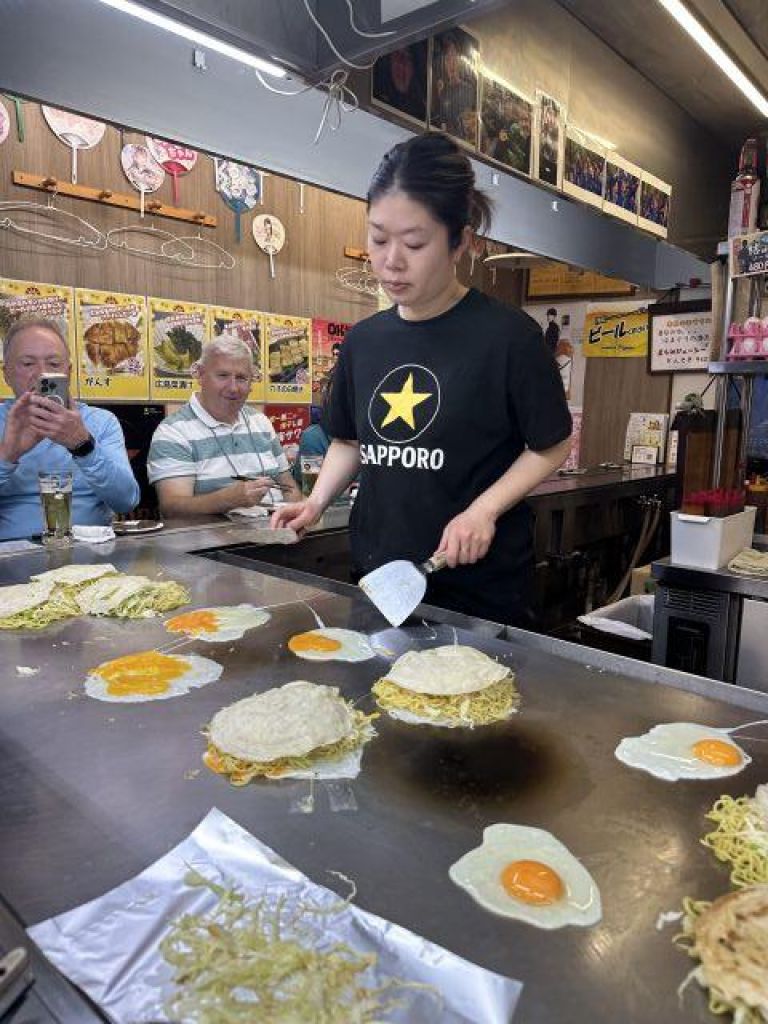
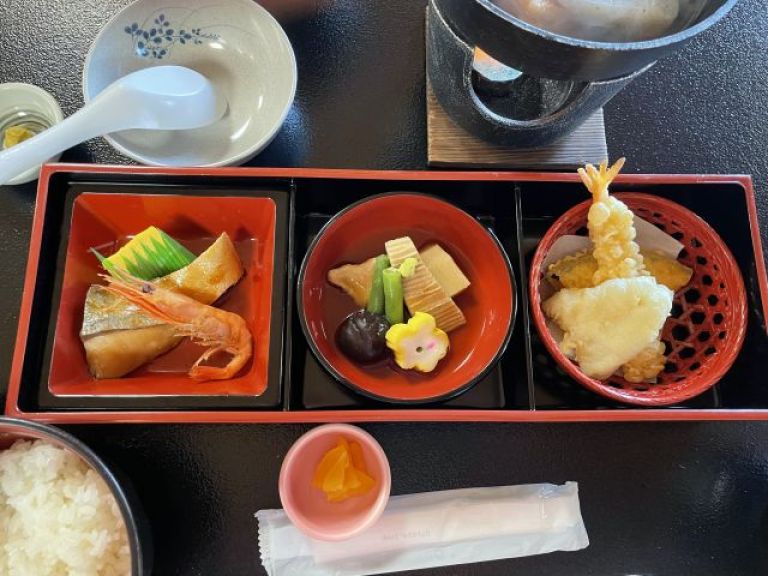
One day it’s fresh seafood. Another day it’s a simple but perfectly made bento on a train. Then it’s a small local dish you would’ve never found on your own.
Fun fact: Train station bento boxes, called ekiben, are regional specialties and often reflect local ingredients and traditions.
Every meal feels different, and that’s part of what makes it memorable.
EACH STOP FEELS DIFFERENT
One of the best parts of traveling through Japan is how each place changes the mood.
Kyoto feels calm and reflective.
Nara feels open and playful, with deer roaming freely through the parks.
Fun fact: Nara’s deer are considered sacred and are protected as national treasures.
Osaka feels lively and social, where you relax, eat more, and stay out a little longer.
Hiroshima adds depth and reflection, while places like Himeji Castle leave a strong visual impression.
Fun fact: Himeji Castle is nicknamed the “White Heron Castle” because of its elegant white exterior.
Each stop adds something new, and that keeps the entire trip engaging.
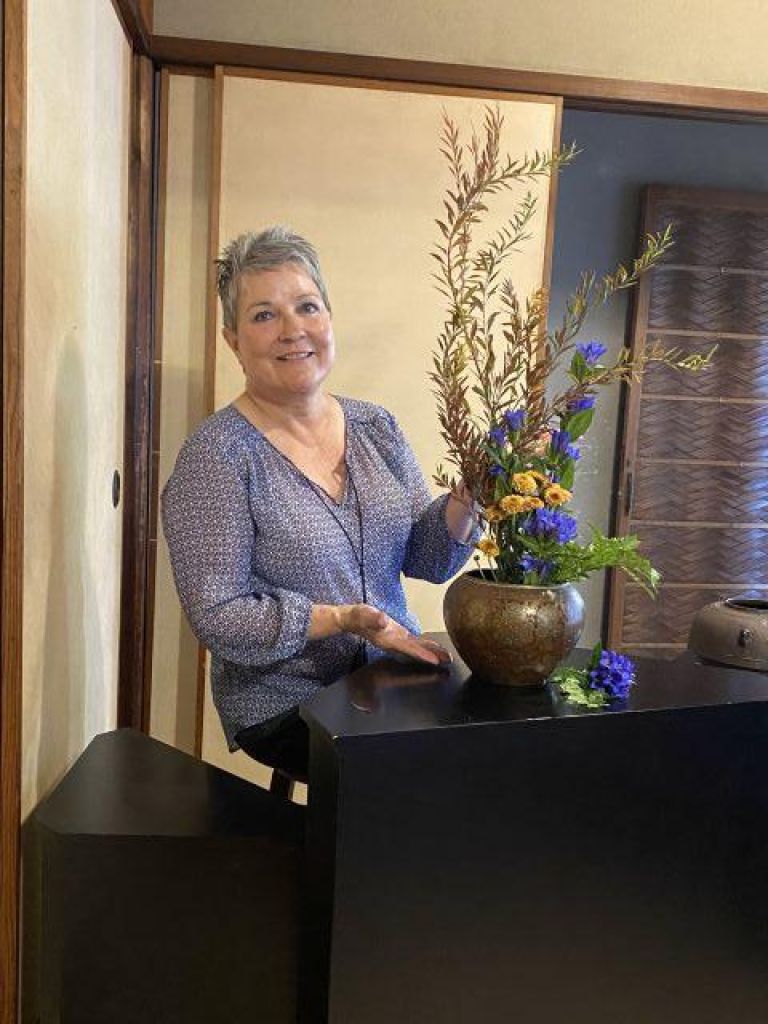
WHY IT FEELS EASIER, AND WHY THAT MATTERS
Japan can feel overwhelming to plan on your own.
Trains. Hotels. Timing. Navigation.
It adds up quickly.
Having those details handled doesn’t take away from the experience, it improves it.
You’re not spending your time figuring things out. You’re spending your time actually being there.
Hotels are convenient. Transportation runs smoothly. You still have free time, but without the pressure.
And that’s what makes the trip feel relaxed instead of stressful.
WHO THIS STYLE OF TRAVEL WORKS FOR
This kind of trip works for more people than you might expect.
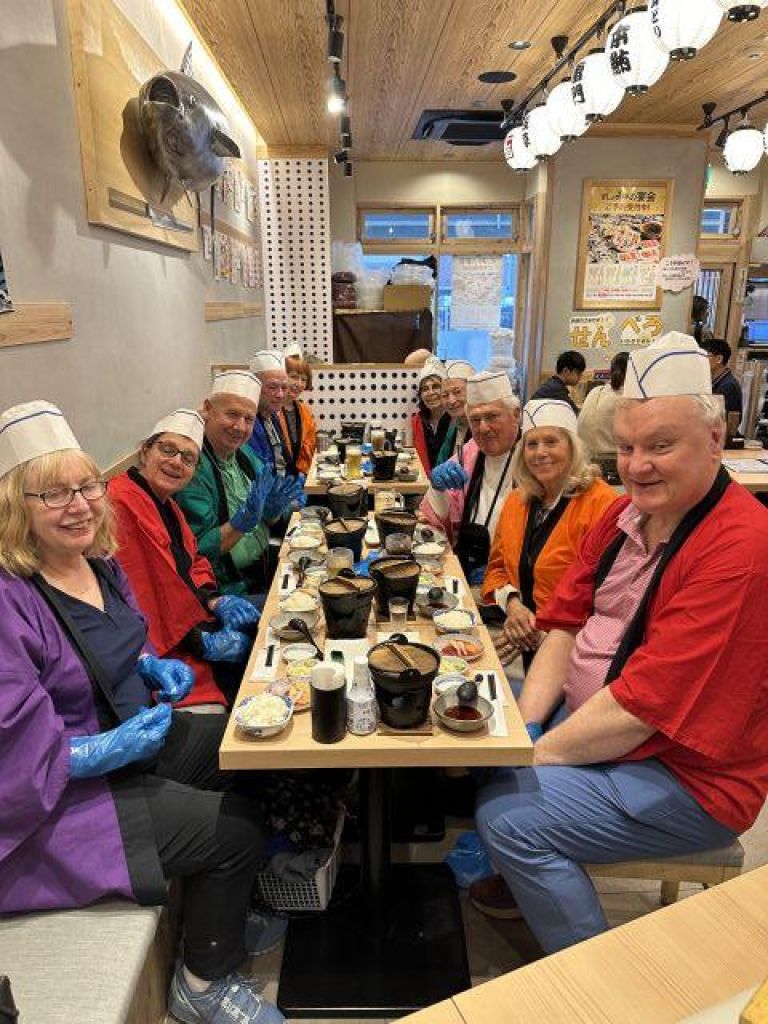
Couples enjoy the ease. Solo travelers like having built-in company. Friends don’t have to worry about logistics.
It’s especially helpful if it’s your first time in Japan.
But even experienced travelers appreciate how smooth everything feels.
CHOOSING THE RIGHT ROUTE MATTERS
Not every itinerary feels the same, and that matters more than you think.
Some trips focus on major cities. Others include smaller towns and nature.
If you love energy, stick with cities like Tokyo, Kyoto, and Osaka.
If you want something quieter, look for places like Hakone, Takayama, and Shirakawa-go.
The best trips balance both.
Too many similar stops can feel repetitive, but mixing cities with smaller destinations keeps things interesting.
FINAL THOUGHTS
Looking back, it wasn’t just the places that made Japan memorable, it was how the trip felt.
It felt calm. Thoughtful. Balanced.
There was space to notice things. Space to enjoy moments that weren’t planned.
And those are the things that stayed with me.
The big sights are incredible, but it’s the smaller moments that make Japan unforgettable.
If you’re thinking about going, don’t just focus on what you want to see.
Think about how you want the trip to feel.
Because that’s what you’ll remember most.