- Our California office it's now
- 11:48 AM(Fri) - We Are Open
- Tel: 1-909-988-8885 Toll free : 1-855-325-2726 (USA & CANADA)
- info@alljapantours.comFollow Us :


- Monday to Friday 8:30AM - 5:30PM (PST) Saturday 8:30AM - 3:00PM (PST)
- CONTACT US
WHAT SURPRISES AMERICANS MOST ABOUT VISITING JAPAN? 15 THINGS TRAVELERS DONT EXPECT
Article | May H
Share to friends
WHAT SURPRISES AMERICANS MOST WHEN VISITING JAPAN? 15 THINGS TRAVELERS DON'T EXPECT
No matter how much research you do before visiting Japan, there are always a few surprises waiting for you.
Some are practical. Others are cultural. Many are the little everyday moments that make you stop, smile, and think, "I wasn't expecting that."
At All Japan Tours, we've had the privilege of introducing thousands of travelers to Japan over the years. One thing we've noticed is that many of the biggest surprises aren't the famous landmarks. It's the quiet moments between sightseeing, the spotless streets, the incredibly thoughtful service, the convenience stores that somehow serve amazing meals, or the way an entire train car can be completely silent during rush hour.
These experiences are often what travelers remember long after they return home.
If you're planning your first trip to Japan, here are some of the things that surprise Americans the most and why they make traveling in Japan so special.
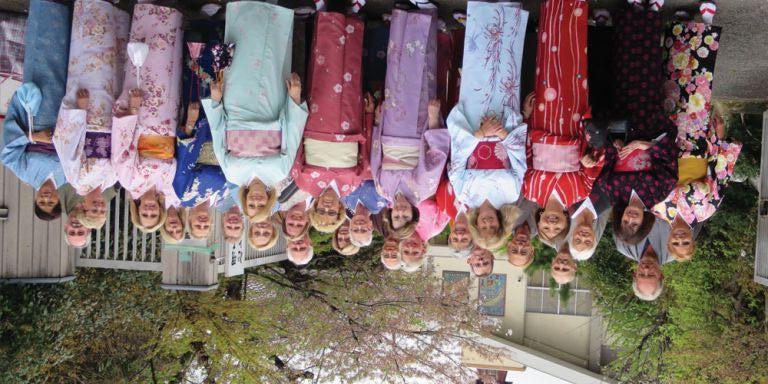
JAPAN IS EVEN CLEANER THAN YOU IMAGINE
One of the first things many visitors notice is just how clean Japan feels. The streets are remarkably tidy, parks are well maintained, train stations are spotless, and public spaces are cared for with incredible attention to detail. The surprising part? There are very few public trash cans. Instead of relying on bins around every corner, many people simply carry their trash until they find one at a convenience store, train station, or back at their hotel. Recycling is also taken seriously, and sorting waste is part of everyday life. This culture of personal responsibility helps explain why cities with millions of people can still feel incredibly clean. After a few days, many visitors find themselves doing exactly the same thing without even thinking about it.
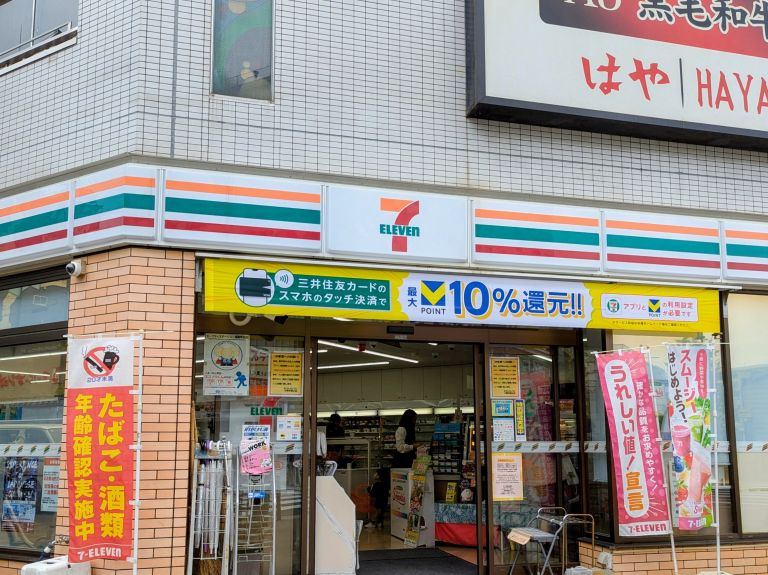
CONVENIENCE STORES ARE ACTUALLY WORTH VISITING
In many countries, convenience stores are places you visit only if you have to. In Japan, they're somewhere you'll probably stop every single day. Seven-Eleven, FamilyMart, and Lawson sell much more than snacks. You'll find surprisingly good sandwiches, freshly made rice balls, hot meals, desserts, coffee, salads, seasonal treats, and even restaurant-quality fried chicken. Need cash? Most stores have international ATMs. Forgot your umbrella? They have it. Need toiletries, socks, chargers, or luggage supplies? No problem. Many travelers arrive expecting convenience stores to be an emergency option and leave wondering why they're so much better than the ones back home. Fun fact: Japan has more than 55,000 convenience stores across the country, making them an essential part of daily life.
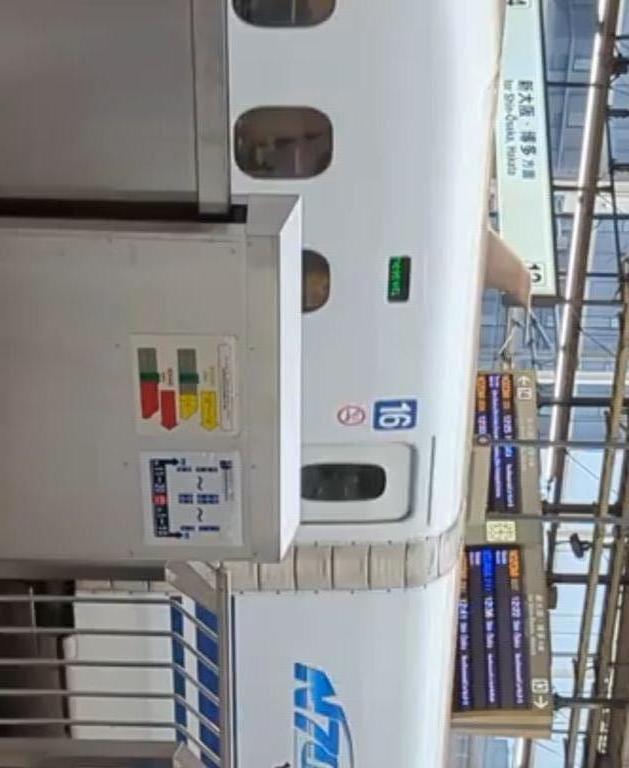
PUBLIC TRANSPORTATION RUNS REMARKABLY SMOOTHLY
Japan's trains have become famous around the world, but experiencing them in person is still impressive. The shinkansen, or bullet train, is fast, comfortable, and remarkably punctual. Local trains are clean, easy to use, and connect cities, neighborhoods, and even rural towns with incredible efficiency. One thing surprises many Americans almost immediately. People are quiet. Even during busy commuter hours, conversations are usually kept low, phone calls are avoided, and many passengers spend the journey reading, working, or simply enjoying the ride. The calm atmosphere often catches first-time visitors off guard. Traveling suddenly feels much more relaxing. On many All Japan Tours itineraries, the bullet train becomes one of the highlights of the journey rather than simply transportation between destinations.
THE SERVICE FEELS GENUINE
Japan has a reputation for excellent hospitality, but it's difficult to appreciate until you experience it yourself. Hotel staff greet you warmly. Restaurant servers pay close attention without hovering. Store employees carefully wrap purchases with surprising care. Train attendants bow before leaving each carriage. These aren't performances for tourists. They're part of a hospitality philosophy known as omotenashi, which emphasizes anticipating a guest's needs before they're even asked. Many travelers say this level of care changes how they think about customer service altogether. It's one of the reasons so many people return to Japan again and again.
YOU'LL WALK MORE THAN YOU EVER EXPECTED
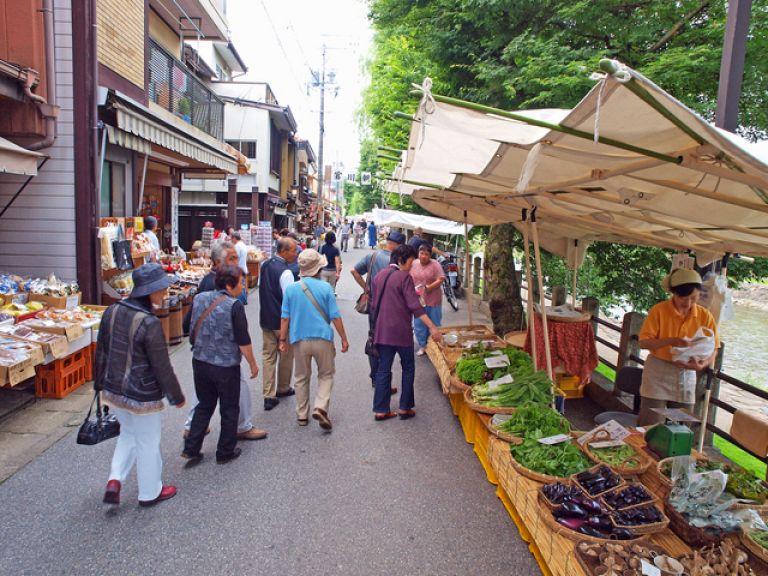
Even if you consider yourself active, Japan may surprise you. Train stations are enormous. Temple grounds stretch farther than they appear on a map. Historic neighborhoods invite wandering. Markets, gardens, shopping streets, and scenic districts are best explored on foot. It's not unusual for visitors to walk well over 15,000 steps in a day without realizing it. The good news is that walking is one of the best ways to experience Japan. Some of the most memorable discoveries happen between destinations rather than at them. That's why we always recommend bringing comfortable shoes on any All Japan Tours itinerary. You'll thank yourself by the second day.

CASH STILL MATTERS
Japan has become much more credit card friendly in recent years, but cash is still surprisingly useful. Smaller restaurants, temples, local markets, family-run shops, and some rural attractions may only accept cash. Fortunately, withdrawing money is easy thanks to international ATMs found in many convenience stores. Many visitors also discover something unexpected. Coins. Lots of them. The ¥100 and ¥500 coins are used frequently, and before long you'll probably find yourself carrying a small coin purse just like many locals do. It's a simple adjustment, but one that quickly becomes part of traveling in Japan.

EVERY REGION FEELS LIKE A DIFFERENT COUNTRY
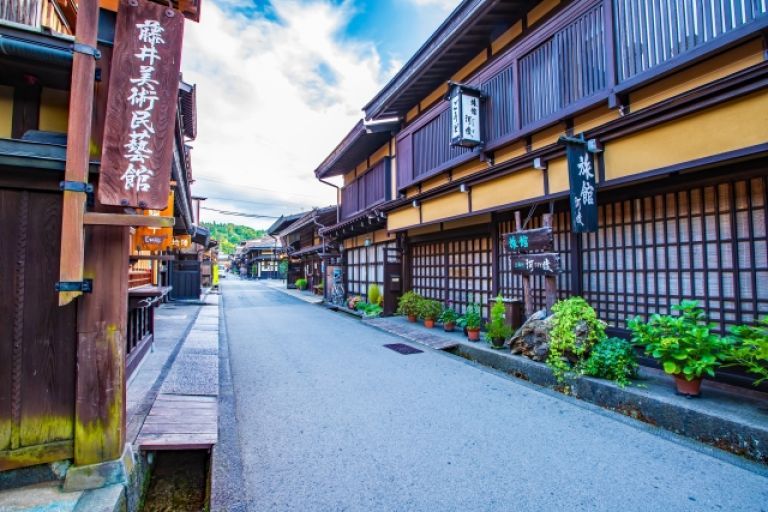
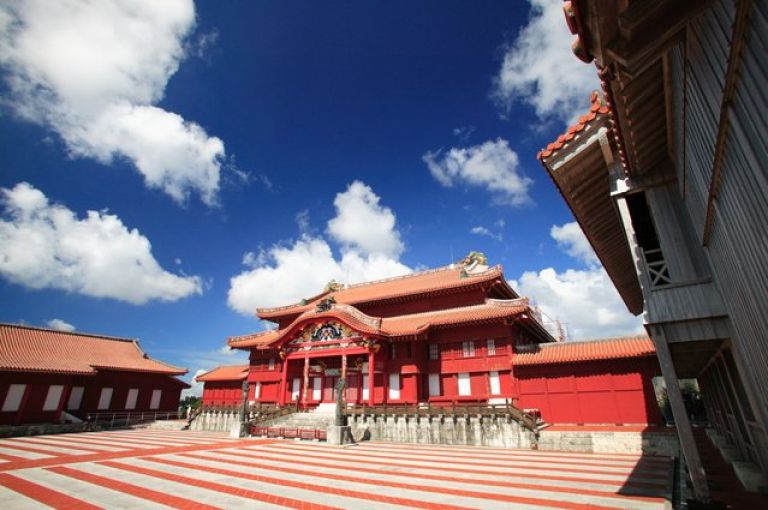
Many first-time visitors imagine Japan as one consistent experience. In reality, every region has its own personality. Tokyo feels modern and energetic. Kyoto is steeped in history. Osaka is known for its outgoing food culture. Takayama offers mountain traditions and historic streets. Kanazawa combines elegant gardens with incredible seafood. Hokkaido feels spacious and outdoorsy. Okinawa has a subtropical climate, unique cuisine, and a culture shaped by the former Ryukyu Kingdom. Even local specialties change dramatically depending on where you travel. Exploring multiple regions is one of the best ways to appreciate just how diverse Japan really is. That's one reason many travelers choose longer itineraries that include destinations beyond the classic route.
JAPAN FEELS SAFE IN A WAY MANY TRAVELERS AREN'T USED TO
One of the biggest surprises for many Americans is the feeling of safety. People comfortably walk through cities at night. Children often travel to school independently. It's not uncommon to see someone reserve a café seat by leaving their phone or wallet on the table. That doesn't mean travelers should stop being careful. Common-sense precautions still apply anywhere in the world. But Japan consistently ranks among the safest countries to visit, and that peace of mind allows many travelers to relax in a way they haven't experienced elsewhere.
WHY THESE SURPRISES MATTER
The famous attractions will always be worth seeing.
Standing beneath the thousands of torii gates at Fushimi Inari Shrine.
Watching Mount Fuji appear on a clear morning.
Exploring Tokyo's vibrant neighborhoods.
Visiting Hiroshima's Peace Memorial Park.
Those experiences stay with you.
But so do the everyday moments.
Buying breakfast from a convenience store.
Finding a quiet neighborhood temple.
Sharing a meal at a tiny local restaurant.
Watching the countryside roll past from a bullet train.
Those are often the moments that make Japan feel personal.
Experience Japan for Yourself
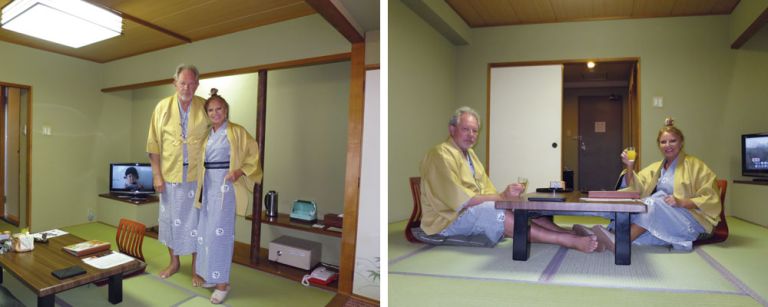
Reading about Japan is one thing. Experiencing it is something entirely different. Every trip brings new surprises, whether it's discovering your favorite regional dish, finding a hidden garden, relaxing in a traditional ryokan, or realizing that the destination you almost skipped became your favorite stop.
At All Japan Tours, our Japan Group Tours are designed to help travelers experience both Japan's iconic highlights and the everyday moments that make the country so unforgettable. From first-time visitors to returning travelers, our itineraries combine expert guides, carefully planned routes, and authentic cultural experiences that let you discover the Japan people fall in love with.
Because the biggest surprise about Japan isn't just how beautiful it is. It's how quickly it begins to feel like somewhere you'll want to visit again.