- Our California office it's now
- 12:59 PM(Fri) - We Are Open
- Tel: 1-909-988-8885 Toll free : 1-855-325-2726 (USA & CANADA)
- info@alljapantours.comFollow Us :


- Monday to Friday 8:30AM - 5:30PM (PST) Saturday 8:30AM - 3:00PM (PST)
- CONTACT US
TRAVELING IN JAPAN WITH A BABY OR TODDLER
Article | May Hamamoto
Share to friends
Japan can be one of the happiest places to travel with a baby or toddler. It’s clean, safe, and packed with kid-friendly surprises, from spotless parks to helpful station staff who don’t blink at a stroller. But with little ones, the daily details matter more than the big checklist.
This guide to traveling in Japan with young children and babies covers the things that make days feel easy: smart planning before you fly, where to go (iconic stops plus calmer spots), and how to get around with strollers on trains, subways, and sidewalks. You’ll also get practical tips for food, nap-friendly days, bedtime shifts, and what to pack so you’re not scrambling.
Families usually do best with flexible pacing, and it’s okay if you see fewer “must-dos.” If you want more breathing room for naps and kid needs, a private, custom plan (instead of a group tour) can make a huge difference, and AJT can build days around your family’s rhythm.
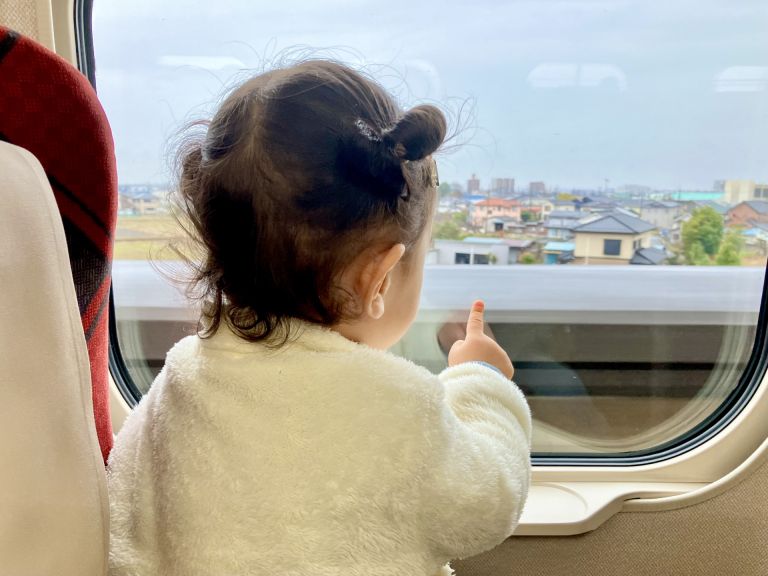
BEFORE YOU BOOK: THE FAMILY-FRIENDLY CHOICES THAT SAVE YOUR TRIP
BEFORE YOU BOOK: THE FAMILY-FRIENDLY CHOICES THAT SAVE YOUR TRIP
A great Japan trip with a baby or toddler starts before you ever land. The right season, base, and hotel setup can turn “surviving” into actually enjoying your days. Think of these choices like packing snacks before a long outing, you feel calm because you planned for the moments that usually melt down.
If you’re considering a private itinerary, this is also where it shines. With a private tour (instead of a group schedule), AJT can shape days around naps, stroller routes, and shorter travel blocks so everyone stays happy.
Best times to visit Japan with little kids (weather, crowds, and strollers)
For most families, spring (roughly March to May) and fall (roughly October to November) feel the easiest. The weather is mild, you can spend longer outside, and you won’t fight your stroller like you’re pushing it through glue. Parks, zoo visits, shrine walks, and simple neighborhood exploring are more fun when nobody is overheating or soaked.
Rainy season (often June into early July, timing varies by region) is doable, but expect plans to change. Light rain is common, and heavier downpours happen. Sidewalks get slick, and stroller rain covers matter. The bigger issue is energy, a damp day can turn even a cheerful toddler into a tiny storm cloud. If you travel then, plan for indoor wins like children’s museums, aquariums, department store play areas, and wide stations with elevators.
Summer heat and humidity (often July to September) can be rough on babies and toddlers. It’s not just discomfort, it can shorten naps, reduce appetite, and turn a simple walk into a cranky carry. If summer is your only window, it still works if you:
-Start early, then take a long midday break indoors.
-Choose shaded parks and indoor attractions.
-Keep extra drinks and cooling items on hand.
-Use taxis for short hops when the heat spikes.
Winter is also workable. Japan’s cities handle cold well, and indoor options are endless. With the right layers (warm base layer, stroller blanket, hat, and a carrier cover), you can still do outdoor stops, then warm up in cafés, museums, and big station complexes. The key is to plan shorter outdoor stretches and keep a backup indoor activity near every major stop.
Crowds matter as much as weather. When possible, avoid:
-National holiday periods, when trains and top sights pack out.
-Weekends in major tourist zones (especially popular temples and market streets).
-Rush hour on city trains (early morning and early evening), which is extra hard with a stroller.
If your schedule is flexible, aim for weekday sightseeing, and save slower neighborhood strolls for weekends.
Where to base yourselves: choosing cities and neighborhoods that feel easy
An “easy” base with little kids has a few non-negotiables: elevators, short rides, wide sidewalks, and a park within a quick walk. Add a convenience store nearby for snacks and diapers, and you’re set.
Tokyo is busy, but it’s also one of the best places to travel with a stroller because the transit is frequent and the city is packed with kid-friendly comforts. The trick is choosing areas that feel less squeezed. Look for neighborhoods with:
-Multiple train lines nearby, so you have backup routes.
-Larger stations that clearly mark elevator access.
-Parks and playgrounds within 10 to 15 minutes on foot.
Kyoto is beautiful, but it can feel harder with a stroller because some sidewalks are narrow, buses get crowded, and popular areas bottleneck fast. The reward is big, but you’ll enjoy Kyoto more if you stay somewhere that reduces daily friction. Many families do best near a rail hub so they can use trains more and rely less on buses.
Osaka often feels like the easiest “big city” with young kids. It’s friendly, practical, and great for food. Train access is strong, and day trips are simple. If you want a lively base that still feels manageable, Osaka is a strong pick.
For a calmer base, consider Yokohama or Hakone, depending on your trip style:
-Yokohama sits right next to Tokyo, with a more relaxed feel, waterfront walks, and lots of space for strollers. It’s a smart choice if you want Tokyo access without sleeping in the thick of it.
-Hakone is great for a slower pace and hot spring stays, but it involves mountain transit and can mean more transfers. It’s best when you treat it as a rest stop for one or two nights, not a hub for daily hopping.
Wherever you stay, a simple rule helps: be near a major station, but not on the busiest exit. The closest hotel on the map can be the noisiest, most crowded walk in real life. Being a 7 to 12-minute stroll away often feels calmer, and you still get easy access.
Hotels, ryokan, and apartments: what matters when you travel with naps
With naps, your room becomes your daily reset button. A hotel that looks fine for adults can feel tight once you add a crib, a stroller, and a child who wakes up at every hallway sound.
Start with space. Room size matters more than people expect, especially if you need to move around in the dark during bedtime. If your budget allows, look for family rooms or connecting rooms. The best setup is often a “sleep zone” plus a “quiet zone” so one parent can stay up with a snack, a shower, or tomorrow’s plan.
A few features make a real difference:
-Laundry access (in-room washer, hotel laundry room, or a laundromat nearby). It saves you from packing half your closet.
-Microwave or kitchenette for warming milk, prepping simple breakfasts, or heating convenience store food.
-Crib availability (confirm early, and ask about size limits because policies vary).
-Blackout curtains (or bring portable blackout options if your child wakes at sunrise).
-Noise control (corner rooms, higher floors, and avoiding elevator banks often help).
-Bath setup (a tub is gold for toddlers, and a separate shower area is common in Japan, which makes bath time easier).
Ryokan stays can be magic with kids because tatami rooms give you a soft floor, and futons make bedtime flexible. The big question is dinner. Many ryokan serve a set meal at a fixed time, and it can run long. If your toddler melts down at 7:00 pm, a beautiful multi-course dinner can turn stressful fast. Some families handle it by:
-Booking a plan with earlier dining if offered.
-Choosing a ryokan that can serve dinner in-room at a set time.
-Staying at a ryokan without dinner included, then eating out earlier and keeping bedtime smooth.
Apartments can be a lifesaver for longer stays, especially if you want a living area, kitchen tools, and laundry. Just double-check elevator access, since smaller buildings can mean stairs.
Booking smart: rail passes, flight times, luggage delivery, and travel insurance
A lot of families assume they need a Japan rail pass, but not every itinerary benefits, especially with babies and toddlers. If you’re mostly in one city with a couple of side trips, regular tickets can be cheaper and simpler. Also, long transfer chains are where travel days fall apart. Two short rides and one easy station can beat one long cross-country haul with multiple changes.
When you sketch your route, aim for:
-Fewer hotel changes, longer stays in each base.
-Direct trains when possible, even if the ride is a little longer.
-Midday travel blocks, which often fit better around naps and meal routines.
Flight timing also matters. If you can choose, midday flights often work better than super early departures that steal sleep. On arrival, build in recovery time. Jet lag with a toddler is like trying to keep a candle lit in the wind. A lighter first day, early dinner, and a short neighborhood walk can do more than a packed agenda.
One of the best Japan-with-kids tricks is takkyubin luggage delivery (luggage forwarding). You send your big bags from one hotel to the next, and travel with a small day bag. It’s a relief on trains, in stations, and on sidewalks. It’s also great when you’re juggling a stroller and a tired child. Most hotels can help you fill out the form, and many families forward luggage:
-From the airport hotel to the first city hotel.
-From Tokyo to Kyoto or Osaka (and onward).
-To the airport hotel before flying out.
Finally, don’t treat travel insurance as an afterthought. For families, the useful coverage tends to be:
-Medical care (kids pick up bugs and get surprise fevers).
-Trip delay and missed connections (because rerouting with kids costs more).
-Lost or delayed baggage (diapers and toddler essentials add up fast).
-Stroller damage or theft (especially if you gate-check or store it often).
If you want all of this handled with less guesswork, a private plan can pull it together. AJT can build a route that limits long transfers, chooses nap-friendly stops, and keeps your days realistic for your child’s pace.
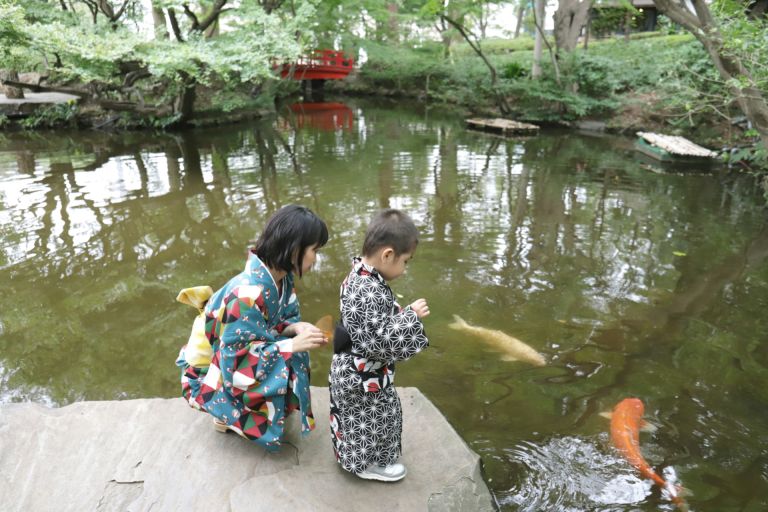
GETTING AROUND JAPAN WITH STROLLERS, CARRIERS, AND TIRED LITTLE LEGS
GETTING AROUND JAPAN WITH STROLLERS, CARRIERS, AND TIRED LITTLE LEGS
Getting from point A to point B can feel like the whole trip when you’ve got a stroller, a diaper bag, and a child who suddenly “can’t walk” the second you reach a station. The good news is Japan is set up for families. The better news is that once you learn a few patterns, stations and streets start to feel predictable. Think of it like learning where the good restrooms are. Once you know, you relax.
Trains and subways: elevator routes, rush hour strategy, and priority seating
Most major stations have elevator access, but it often sits at the edge of the station, not in the middle. Look for overhead signs that show an elevator icon (often next to the wheelchair symbol). If you’re using Google Maps, zoom in on the station and you’ll often see labeled exits, which can help you aim for an elevator-friendly side.
Transfers can take longer than the ride itself, and it’s not your imagination. Many stations were expanded over time, so lines connect through long corridors, multiple levels, or separate buildings. With a stroller, you may need an elevator up, a long walk, then an elevator down. That’s why a “4-minute transfer” can turn into 12 minutes in real life.
If the elevator is far away, you have a few practical options:
-Give yourself permission to re-route: If your app suggests a tight connection, pick the next train instead. Trains run often, and your stress drops fast.
-Use the “accessible route” when offered: Some station maps show a step-free path. It might be longer, but it’s predictable.
-Ask station staff: A quick “elevator?” and a point works wonders. Staff are used to this, and they’ll often guide you to the closest lift.
Rush hour is the one time trains can feel like a contact sport. With a stroller, it’s worth planning around the worst crush. Simple windows that work well for many families:
-Weekdays: Try to avoid 7:30 to 9:30 am and 5:00 to 7:00 pm in big cities.
-If you must ride then: Board at the first or last car where crowds can be lighter, and be ready to wait for the next train.
Etiquette matters, and Japan makes it pretty clear. Priority seats are for people who need them, including pregnant riders and adults holding small kids. If you use them, take them with a calm confidence, and offer them up when you see someone who needs them more.
For strollers, aim for compact and polite:
-Keep it folded when the car is busy, if you can.
-If you can’t fold it, park it out of the flow near the door area, and lock the wheels.
-Let riders exit first, then board in order. Lines move quickly when everyone stays patient.
Stroller vs baby carrier: what works in Tokyo, Kyoto, and smaller towns
A stroller sounds like the obvious answer, until you hit a narrow sidewalk, a crowded shopping street, or a temple with steps. A carrier sounds perfect, until your back taps out after lunch. The real sweet spot for Japan is often: use a lightweight travel stroller most days, and carry a baby carrier as backup.
Here’s a simple decision guide by place:
Tokyo
Tokyo is surprisingly stroller-friendly once you’re on the right routes. Sidewalks vary, but big stations, malls, and parks often have elevators and ramps. The challenge is crowds.
-Choose a narrow, easy-fold stroller for trains.
-Use a carrier for peak crowd zones (think busy shopping streets and packed stations).
Kyoto
Kyoto is where carriers shine. Some areas have narrow sidewalks, busy buses, and tourist streets that pinch down. Add temple steps and gravel paths, and a stroller can feel like extra work.
-Use a stroller for flat, open areas and longer walks.
-Switch to a carrier for temples, shrines, and historic lanes where steps and stones are common.
Smaller towns
Smaller places can be quieter, but not always smoother. You might see more uneven pavement, fewer elevators, and older stations.
-A stroller is great for calm waterfronts, parks, and longer promenades.
-A carrier helps when the route includes stairs, footbridges, or older stations with limited lifts.
If you’re buying or bringing one stroller for Japan, look for lightweight, quick fold, and good wheels. Tiny wheels can struggle on textured sidewalks and gravel. A rain cover is also worth its weight in gold, even outside rainy season.
On “stroller days,” pack like you’re setting up a tiny mobile base:
-Rain cover (and a small towel to wipe wheels)
-Clip-on fan in warm months
-Stroller hook or small carabiner (for a light bag, not heavy loads)
-Snacks and wipes in an easy-grab pouch
-Small trash bag for on-the-go cleanup
-Baby carrier as a backup (even a compact one)
The best part is flexibility. When your toddler gets tired, you can roll for a while, then switch to carry mode without drama.
Taxis, private drivers, and car seats: what families should know
Taxis in Japan are clean, safe, and easy to use, and they can save a day that’s slipping sideways. You’ll find them at most big stations, hotels, and popular areas. In quieter neighborhoods, you might need to walk to a main street or ask your hotel to call one.
Taxis beat trains in a few very real family moments:
-Late evenings when everyone is done and you just want to get home.
-Rainy days when folding a stroller in a crowd sounds miserable.
-Door-to-door trips with bags, especially when you’re coming from luggage delivery drop-offs, shopping, or check-in days.
-Short hops that would require two trains and a long transfer.
Car seats are the part that requires planning. In many places, taxis do not automatically carry child seats, and you can’t assume one will be available on the spot. If you want a car seat, plan ahead by:
-Booking a private transfer that can provide one, then confirming the child’s age and size.
-Bringing your own travel car seat if that fits your travel style (it can be bulky, but some families love the peace of mind).
For sightseeing days, private touring can be a huge relief with babies and toddlers. Instead of a fixed group pace, you can time stops around naps, snacks, and bathroom breaks, and you can swap an outdoor stop for an indoor one if weather turns. AJT’s private tours are especially helpful here because the day can match your child, not the other way around.
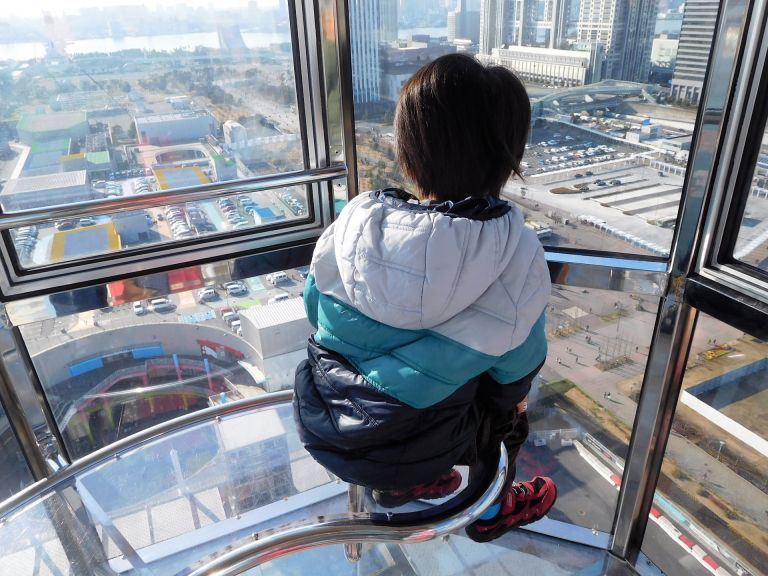
WHERE TO GO WITH BABIES AND TODDLERS: BIG FAVORITES PLUS QUIETER FAMILY GEMS
WHERE TO GO WITH BABIES AND TODDLERS: BIG FAVORITES PLUS QUIETER FAMILY GEMS
With babies and toddlers, the best Japan days usually follow one simple idea: big sights, then space. You can absolutely do the famous places, just pair them with parks, wide promenades, and indoor spots where little kids can touch, move, and reset. This mix keeps naps steadier, meals calmer, and everyone more excited for the next stop.
If you’re traveling with extended family, or you just want less time problem-solving on the go, this is where a private, custom plan helps. AJT can shape each day around stroller-friendly routes, shorter travel hops, and backup options for weather or sensory needs.
Tokyo with little kids: parks, hands-on museums, and low-stress neighborhoods
Tokyo can feel huge, but it’s fantastic with small kids once you pick areas that are easy to move through. Aim for places with wide paths, bathrooms nearby, and indoor options when the weather turns or nap timing gets weird.
Start with Ueno Park. It’s a classic for a reason. You get open space, shade, and lots of places to pause. The zoo area is an easy win for toddlers because animals keep attention even on low-energy days. If the zoo feels like too much, just walking the park and letting your child run a bit can be enough.
Odaiba is another strong choice when you want a low-stress day. The walkways are wide, the vibe is stroller-friendly, and you can mix in indoor time without feeling trapped. It’s great for families who need a calmer pace but still want that “Tokyo wow” feeling.
For sensory-style fun, Toyosu and teamLab Planets can be memorable, especially for older toddlers. Still, it’s smart to think ahead about your child’s comfort. Some areas are dark, loud, or have unusual floor textures. If your child is sensitive to noise or new sensations, plan a quick exit option and keep expectations light. A short visit can still feel like a big adventure.
If you want an easy all-in-one spot, Sunshine City (Ikebukuro) works well for families. It has multiple kid-friendly areas, food choices, and places to regroup without a long transit hop. Another favorite is the Tokyo Toy Museum (Shinjuku), which feels more personal and hands-on than many big attractions.
To balance the famous stops, sprinkle in smaller, everyday Tokyo moments:
-Small local parks near your hotel for morning energy burn or a pre-dinner run.
-Kid-friendly cafés where you can sit longer, snack slowly, and avoid the rushed feeling.
For a quieter “this feels like a secret” option, try the Edo-Tokyo Open Air Architectural Museum. It’s open, stroller-friendly in many areas, and gives toddlers space to move while you enjoy the atmosphere.
Kyoto and Nara: temples without tears, plus nature breaks that reset everyone
Kyoto is beautiful with little kids, and it can also be a lot. Some sidewalks are narrow, some temple grounds have steps and gravel, and the busiest areas can feel packed by mid-morning. The best fix is simple: start early, keep your route tight, and plan nature breaks like you plan snacks.
Arashiyama is a great example. Go early in the morning, before the crowds build. You’ll get calmer paths, better stroller movement, and a softer mood all around. After that, shift to something easy and open, like the Kyoto Botanical Gardens, where kids can roam and you can breathe.
The Okazaki area is another smart Kyoto zone for families. It’s a manageable area with museums nearby, wider streets than some historic lanes, and plenty of spots to pause. For train-obsessed toddlers (and honestly, many adults), the Kyoto Railway Museum is a reliable win. It’s engaging, mostly indoors, and it doesn’t require perfect weather.
If you want temple beauty without pushing through a crowd, pick calmer timing and simpler routes. The goal isn’t to “do Kyoto,” it’s to catch a few magic moments and keep the day kind.
For a quieter reset walk, do the Philosopher’s Path early. The same path that can feel busy later becomes peaceful in the morning, with room for strollers and little legs that want to stop and stare at everything.
Nara can be wonderfully simple with toddlers if you keep it short and cheerful:
1.) Deer viewing (from a comfortable distance, and with firm parent control over snacks).
2. A slow walk through the park.
3. A playground stop to let your child be a child again.
If your toddler gets overwhelmed, a riverside stroll with open space often saves the afternoon. Wide paths, fewer people, and room for wandering can turn a near-meltdown into a good nap.
Osaka and Kobe: food-friendly cities with great kid attractions
Osaka is a top pick with babies and toddlers because it’s practical and fun. You can eat well without a lot of planning, and many attractions are set up for families. It’s the kind of city where you can recover from a rough night of sleep and still have a great day.
The headline stop is Osaka Aquarium Kaiyukan. It’s stroller-friendly, weatherproof, and it holds attention even when your toddler is in a “no” phase. Go early if you can, and don’t try to stretch it too long. A focused visit beats a tired one.
If you need indoor play energy burners, Legoland Discovery Center Osaka is a solid choice, especially on rainy days. Kids Plaza Osaka is another favorite for hands-on learning and active play. These spots can feel like a pressure release valve after a few quiet museums or long walks.
For slower pacing, build in easy river walks. Osaka’s waterfront areas can give you that perfect late afternoon rhythm: stroller rolling, snack in hand, and nobody rushing.
Kobe works beautifully as a calmer add-on, especially if you want harbor views and a lighter day. The harbor areas are easy for strollers and feel open compared to crowded tourist streets. For character-loving toddlers, the Anpanman Children’s Museum (Kobe) is made for this age range and tends to be a big hit.
If the weather is good and your child is having a steady day, a short ropeway outing can be a fun change of scenery. Keep it short, keep it flexible, and don’t force it if naps are shaky.
A couple of practical notes that save time in both cities:
-Stroller parking: Many aquariums, museums, and indoor play spots have designated areas. Bring a small cable lock if you like extra peace of mind.
-Timed tickets: Popular indoor attractions sometimes use timed entry. Booking ahead can protect nap time and cut down on waiting.
Theme parks and character fun: when it’s worth it, and how to keep it calm
Theme parks can be amazing with little kids, and they can also eat your entire day. The trick is to treat them like a special event, not a checklist. If your trip is short, one park day max usually keeps everyone happier.
At Tokyo Disney Resort and Universal Studios Japan, families do best when they plan around comfort tools, not just rides. Look for:
-Rider switch (child swap) so one adult rides while the other stays with the child, then you swap without waiting twice.
-Baby centers for feeding, diaper changes, and a quiet break.
-Parade breaks as built-in rest time (a stroller snack during a parade can feel like a vacation inside the vacation).
-A shorter ride plan, with extra space for meals and naps.
For toddlers, sometimes the best “theme park” is the gentler option. Sanrio Puroland (indoor) can be a great fit when your child loves characters and you want a lower-energy day than a huge outdoor park. Indoor also helps when weather swings or you’re avoiding hot afternoons.
No matter which park you choose, the calmest strategy is simple: arrive early, pick a few must-dos, then stop while it’s still fun. Leaving before your child falls apart can feel like a parenting magic trick, and it keeps the next day on track.
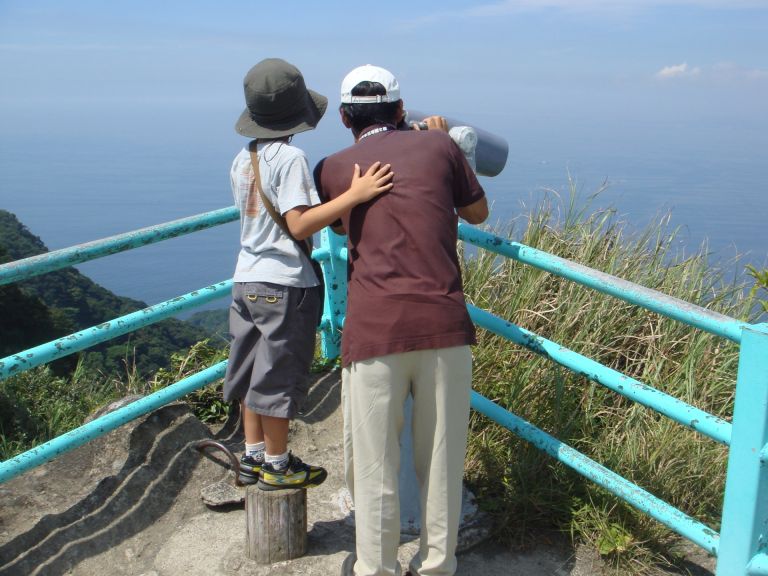
FOOD, BATHROOMS, AND SLEEP: THE EVERYDAY NEEDS THAT MAKE OR BREAK YOUR DAY
FOOD, BATHROOMS, AND SLEEP: THE EVERYDAY NEEDS THAT MAKE OR BREAK YOUR DAY
With babies and toddlers, the “small stuff” runs the show. A snack at the right time can save a museum visit. A clean bathroom can turn panic into calm. One solid nap can make dinner feel fun again. The good news is Japan makes many of these basics easier than you might expect, if you know where to look and you plan for a few predictable bumps.
Eating with young kids in Japan: easy meals, convenience stores, and allergy notes
If your child eats simple foods at home, Japan can feel like a relief. Many everyday meals are built around mild flavors, warm carbs, and easy proteins, which makes picky phases less scary. You’ll see kid-friendly basics everywhere: rice, plain noodles, eggs, grilled fish, and simple soups. Even when the menu looks unfamiliar, there’s often something that lands like a “safe food.”
For sit-down meals, family restaurants are your low-pressure friend. They tend to have booths, high chairs more often than tiny cafés, and a pace that doesn’t rush you out the door. Department store food halls also work well when everyone wants something different. One adult can grab a rice ball or sandwich, another can pick up fruit, and you can be eating in minutes. It’s the travel version of a choose-your-own-adventure dinner, with less whining.
Convenience stores (like 7-Eleven, Lawson, and FamilyMart) are a big part of the Japan-with-kids survival kit. They’re great for quick breakfasts and “we need food right now” moments. You can often find yogurt, bananas, bread, onigiri (rice balls), simple noodles, and drinks. On travel days, it’s also an easy place to restock wipes, tissues, and small trash bags.
A simple approach that keeps meals calm:
-Start the day with a convenience store breakfast (easy, quick, no waiting).
-Do one sit-down meal when kids have the most patience (often lunch).
-Keep dinner early and simple, then head back before bedtime gets shaky.
If allergies are part of your trip, plan ahead and be clear. Bring a translated allergy card that lists the exact foods to avoid, plus how serious the allergy is. When you order, show the card and ask, “Does this have (allergen)?” and “What ingredients are in it?” Be aware that cross-contact can happen, especially in kitchens that handle many items. If the allergy is severe, stick to simpler foods and places that can answer clearly.
Diapers, wipes, formula, and medicine: what’s easy to buy and what to pack
Japan is one of the easiest places to restock baby basics. You’ll find diapers, wipes, baby soap, baby lotion, and many common child care items without hunting all over town. The key is knowing where to shop, and packing the handful of things you don’t want to gamble on.
For shopping, drugstores are your first stop. They’re common in cities and often carry diapers, wipes, and simple baby toiletries. Baby stores and department stores usually have a wider selection, including bottles, nipples, sippy cups, and baby food. Bigger supermarkets can also help, especially if you want fruit, yogurt, or plain snacks for the hotel room.
A few practical quirks to expect:
-Sizing and fit can feel different than what you use at home, even when the weight range looks similar.
-Some brands you know may not be available, and local brands may be new to you.
-If your child is between sizes, buying a small pack first can save you money and frustration.
For formula, many families do fine buying in Japan, but it’s not the place to experiment if your child has a sensitive stomach. If your baby uses a specific type (or a hypoallergenic formula), bring enough for the whole trip or at least enough to cover any “we can’t find it today” delays.
Medicine is where packing matters most. You can find pharmacies easily, but language and product differences can slow you down when you’re tired and your child feels sick. Pack a small, focused kit that covers your usual problems. Keep it light, but specific.
A smart mini pack list for travel day and the first 48 hours:
-A few diapers (more than you think you’ll need)
-Your favorite rash cream
-A basic thermometer you trust
-Any must-have baby meds (and any prescriptions)
-Special formula or feeding items your child won’t accept substitutes for
This is also where private touring helps in a real, everyday way. If you’re out with a private guide and your child runs out of wipes or spikes a fever, it’s much easier to pivot to a drugstore stop than it is to stay locked into a group schedule.
Bathrooms, changing tables, and nursing rooms: finding them fast
Bathrooms are everywhere in Japan, but changing tables and nursing rooms are more hit-or-miss. The trick is to focus your day around places that reliably have what you need, then treat everything else as a bonus.
You’ll most often find changing tables and nursing rooms in:
-Department stores
-Big train stations
-Shopping malls
-Airports
-Large museums and family attractions
These facilities are often clean and thoughtfully set up. Nursing rooms (sometimes called “baby rooms”) may include private feeding spaces, hot water taps, and diaper bins. Department stores are especially strong here, and they’re a great “reset stop” even if you don’t plan to shop.
Still, expect some restrooms to be compact, especially in older buildings, smaller restaurants, and tiny neighborhood spots. Not every place will have a changing table, and some may only have one in a women’s restroom. If you’re traveling with two adults, it helps to decide ahead of time who will take which role if the setup is awkward.
To find what you need quickly, use tools that locals use:
-Station maps: Many major stations have detailed maps near entrances and platforms, and they often mark restrooms and elevators.
-Mall directories: Look for icons for restrooms, baby rooms, and information counters.
-Department store floor guides: Baby facilities are often on the same floors as kids’ clothing or home goods.
If you’re on a tight schedule, plan one “known bathroom stop” every few hours. It sounds simple, but it changes the day. You stop reacting and start cruising.
Private, custom touring also makes this easier because you can build your route around dependable facilities. When you’re not racing to keep up with a group, you can take the elevator to the right floor, change a diaper calmly, and get back to sightseeing without feeling behind.
Protecting sleep while traveling: time zones, hotel noise, and bedtime routines
Sleep is the quiet engine of your trip. When it runs well, your toddler eats better, rides trains happier, and melts down less. When it falls apart, everything feels harder, including the stuff you traveled across the world to enjoy.
Start with time zones. If jet lag hits, don’t try to force perfection on day one. Aim for light exposure in the morning, calmer time in the evening, and a bedtime that inches earlier or later each night until it settles. For toddlers, even a 30-minute shift per day can help.
Hotel noise can also sneak up on you. Hallway voices, elevator dings, and street sounds can wake a light sleeper. A few simple moves help a lot: request a quieter room if possible (higher floor, away from elevators), and bring a familiar sound buffer. White noise can be magic, even if it’s just a phone app at a low volume.
Most of all, keep one familiar bedtime cue. Your child doesn’t need the whole home routine, they need a signal that says, “Now we sleep.” It could be the same short book, the same sleep sack, or the same lullaby. Think of it like bringing a small piece of home that fits in your carry-on.
To protect nights, plan evenings with less stimulation. Accept earlier dinners, especially in Japan where early meals can be easier to pull off than you’d expect. On days when naps crash or plans run long, don’t treat it as failure. Treat it as weather. You adjust, then you move on.
This is another spot where private touring pays off for families. With a flexible private schedule (which AJT can arrange), you can head back for naps, shorten a busy day, or swap a far stop for something closer. Your trip starts to feel like it fits your child, not the other way around.
CONCLUSION
CONCLUSION
Japan with a baby or toddler can feel joyful and surprisingly easy when you plan for real life, not a perfect checklist. One great plan beats a packed schedule every time, pick a few family-friendly bases, keep travel days short, and build nap breaks into the middle of the day so everyone resets.
Aim for one “must-see” each day, then pair it with the simple stuff kids love: an open park, a stroller-friendly neighborhood walk, or a hands-on museum where little hands can move and explore. That mix keeps moods steady, helps meals happen on time, and leaves space for the magic moments you can’t plan.
If you want help making it all click, consider a private, custom itinerary with AJT. It’s a smart way to match sights to nap times, elevator routes, and kid-friendly meals, while keeping your trip calm and fun. What would your easiest Japan day look like if it was built around your child’s rhythm?