- Our California office it's now
- 11:48 AM(Fri) - We Are Open
- Tel: 1-909-988-8885 Toll free : 1-855-325-2726 (USA & CANADA)
- info@alljapantours.comFollow Us :


- Monday to Friday 8:30AM - 5:30PM (PST) Saturday 8:30AM - 3:00PM (PST)
- CONTACT US
IS A JAPAN GROUP TOUR WORTH IT? INDEPENDENT TRAVEL VS GUIDED TOURS IN JAPAN
Article | May Hamamoto
Share to friends
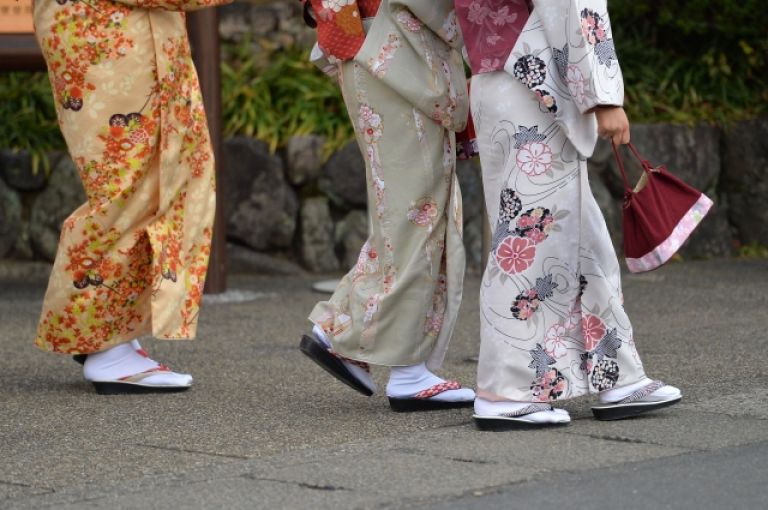
IS A JAPAN GROUP TOUR WORTH IT? INDEPENDENT TRAVEL VS GUIDED TOURS IN JAPAN
Japan is one of the most rewarding countries in the world to travel through. It is also one of the destinations that causes the most debate before booking a trip. Should you travel independently? Or is it worth joining a guided tour? Some travelers picture Japan as an easy country to navigate thanks to its famous train system. Others worry about language barriers, transportation logistics, luggage transfers, and trying to fit dozens of bucket-list experiences into a limited amount of time. The truth is that both independent travel and guided tours can be excellent ways to experience Japan. The right choice depends less on budget and more on your travel style, priorities, and how much time and energy you want to spend planning. After helping travelers explore Japan for more than two decades, we've seen firsthand why some people thrive traveling independently while others discover that a guided tour allows them to experience more of Japan with far less stress. In this guide, we'll break down the pros and cons of both approaches and help you decide whether a Japan tour is worth it for your trip.
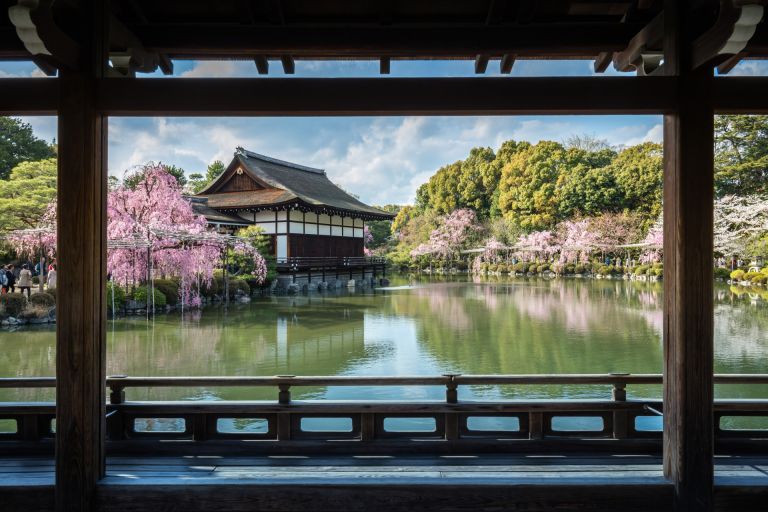
WHY JAPAN IS DIFFERENT FROM MANY OTHER DESTINATIONS
Japan has a reputation for being both incredibly easy and surprisingly difficult to travel. Both statements are true. The country is exceptionally safe, clean, and organized. Public transportation is world-class. Tourist information is increasingly available in English, and major destinations welcome international visitors. At the same time, Japan presents unique challenges that travelers often underestimate. Train stations can feel overwhelming. Hotel rooms are frequently smaller than expected. Attractions may require advance reservations months ahead of time. Rural destinations often have limited English support. Seasonal travel patterns dramatically affect pricing and availability. Many travelers arrive expecting Japan to work like Europe. It doesn't. Japan rewards preparation more than almost any other destination. That preparation can either become part of the adventure, or become the source of unnecessary stress.
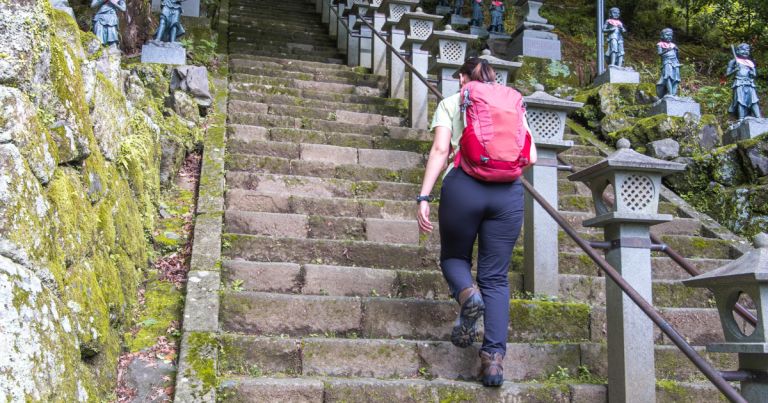
THE CASE FOR INDEPENDENT TRAVEL IN JAPAN
There is a reason why so many experienced travelers love exploring Japan on their own.
Independent travel offers flexibility, spontaneity, and the opportunity to discover places at your own pace.
If you enjoy planning, researching restaurants, navigating public transportation, and making decisions as you go, Japan can be one of the most satisfying countries to explore independently.
You Control Your Entire Schedule
One of the biggest advantages of independent travel is freedom. Want to spend three hours exploring Akihabara? You can. Want to skip a museum and spend the afternoon café hopping in Kyoto? No problem. Some travelers find tremendous satisfaction in creating their own itinerary and adjusting plans throughout the trip. Japan rewards curiosity, and independent travel allows you to follow whatever interests you most.
You Can Customize Your Budget
Independent travelers can choose exactly where to spend and where to save. You might stay in luxury hotels while eating inexpensive ramen. Or perhaps you'll splurge on a ryokan while choosing budget accommodations elsewhere. This flexibility appeals to many travelers who enjoy balancing experiences and expenses according to their own priorities.
You Experience the Satisfaction of Figuring Things Out
Many people simply enjoy the challenge. Successfully navigating Tokyo Station, finding a hidden restaurant, or taking local trains into rural Japan can feel deeply rewarding. These moments often become memorable stories long after the trip ends.
THE CHALLENGES OF INDEPENDENT TRAVEL IN JAPAN
While independent travel offers freedom, it also requires significant planning.
Many travelers underestimate how much work goes into organizing a multi-city trip through Japan.
Transportation Can Become Exhausting
Japan's transportation system is excellent. It is also enormous. A single journey may involve local trains, express trains, subway transfers, buses, and walking between platforms that can stretch hundreds of meters. For experienced travelers, this can be exciting. For first-time visitors carrying luggage while trying to catch connections, it can become stressful quickly.
Reservations Require Planning
Popular experiences often require advance reservations.
Examples include:
• Ghibli Museum
• TeamLab exhibitions
• Seasonal festivals
• Luxury ryokan stays
• Michelin restaurants
• Seasonal train experiences
Cherry blossom season and autumn foliage season add another level of complexity. Hotel prices rise, transportation fills up, and availability becomes limited.
Planning Takes Time
A two-week trip to Japan can require dozens of decisions. Questions travelers often ask include:
• Should we buy a rail pass?
• Which airport should we fly into?
• How many days in Kyoto?
• Is Hakone better than Kawaguchiko?
• Should we stay overnight in Takayama?
• How do we reach Shirakawa-go?
Some people enjoy this process. Others discover they have accidentally turned their vacation into a second job.
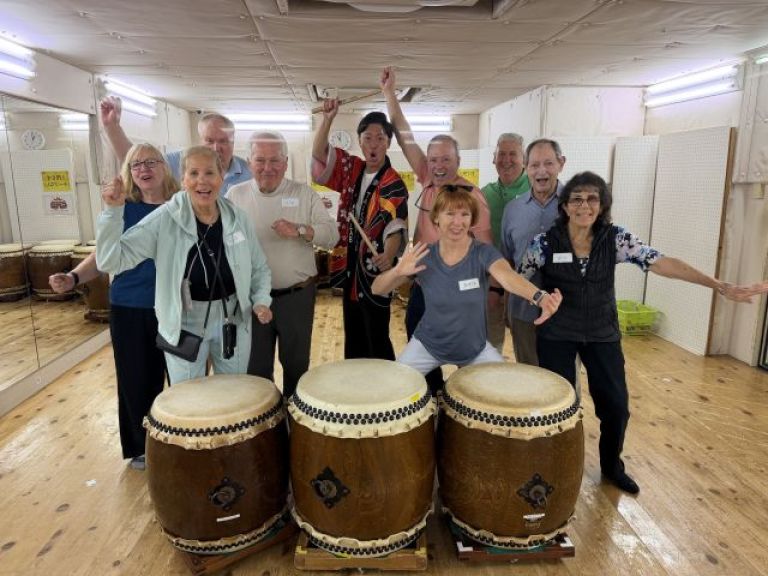
WHY MANY TRAVELERS CHOOSE GUIDED TOURS IN JAPAN
For many visitors, guided tours provide the ideal balance between convenience and experience.
This is especially true for first-time visitors, multi-generational families, solo travelers, and anyone wanting to maximize their time.
The Logistics Are Already Handled
One of the greatest advantages of a guided tour is simple: Someone else handles the difficult parts. Hotels. Transportation. Reservations. Tickets. Schedules. Luggage logistics. Rather than spending your evening figuring out tomorrow's train schedule, you can simply enjoy where you are. This becomes particularly valuable during busy travel seasons.
You See More Than You Could Easily Plan Yourself
Many travelers assume tours only visit famous attractions. In reality, well-designed tours often include experiences that independent travelers rarely discover. At All Japan Tours, for example, many itineraries combine iconic destinations with places travelers often tell us became their favorite memories.
Examples include:
• Takayama
• Shirakawa-go
• Kanazawa
• Matsumoto
• The Japanese Alps
• Snow monkeys in Nagano
• Seasonal flower festivals
• Local cultural experiences
Often, these destinations require multiple transportation connections and careful timing when traveling independently.
THE VALUE OF A KNOWLEDGEABLE GUIDE
Many travelers underestimate how much a guide shapes their experience.
A good guide does much more than move people between locations.
They explain:
• History
• Religion
• Food culture
• Etiquette
• Seasonal traditions
• Regional differences
A temple becomes more meaningful when someone explains why it was built.
A food market becomes more interesting when someone points out what locals actually eat.
A festival becomes memorable when someone shares its history.
Many travelers tell us that their guides ended up being one of the highlights of their entire trip.
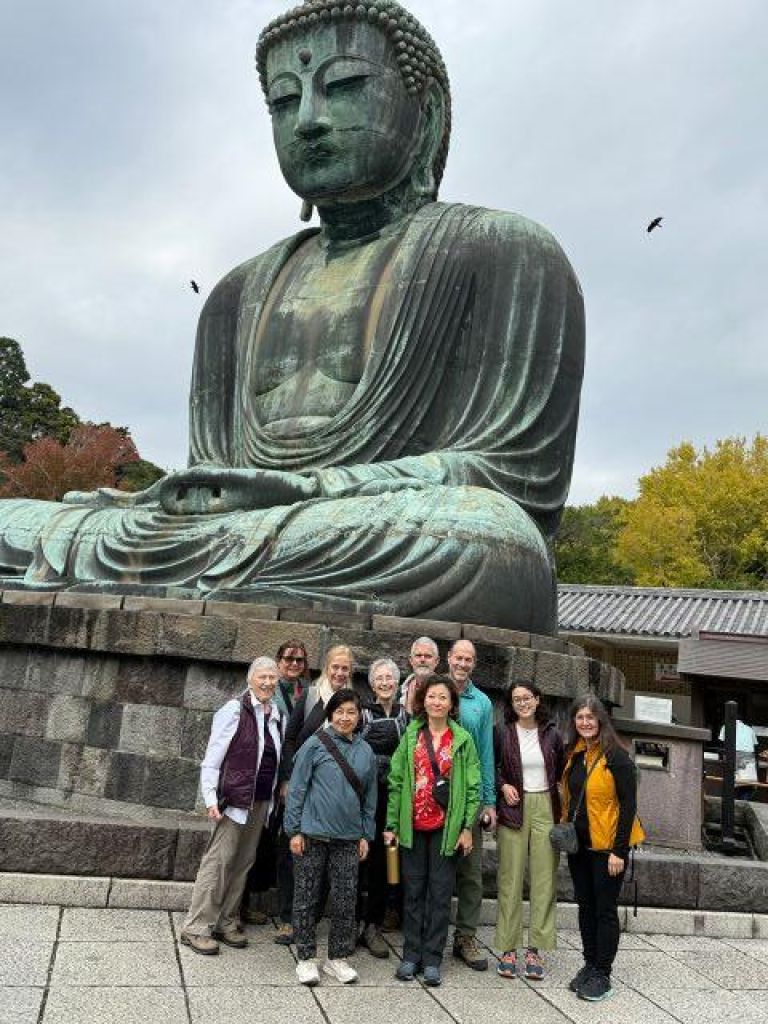
WHY JAPAN GROUP TOURS HAVE CHANGED
Some people hear "group tour" and picture giant buses with forty people following umbrellas.
Modern Japan group tours often look very different.
Smaller group sizes create:
• Easier transportation
• Better guide interaction
• More flexibility
• Less waiting
• More personal experiences
Many travelers are surprised by how relaxed and social small group travel can feel.
You gain the benefits of shared experiences without feeling like you're part of a crowd.
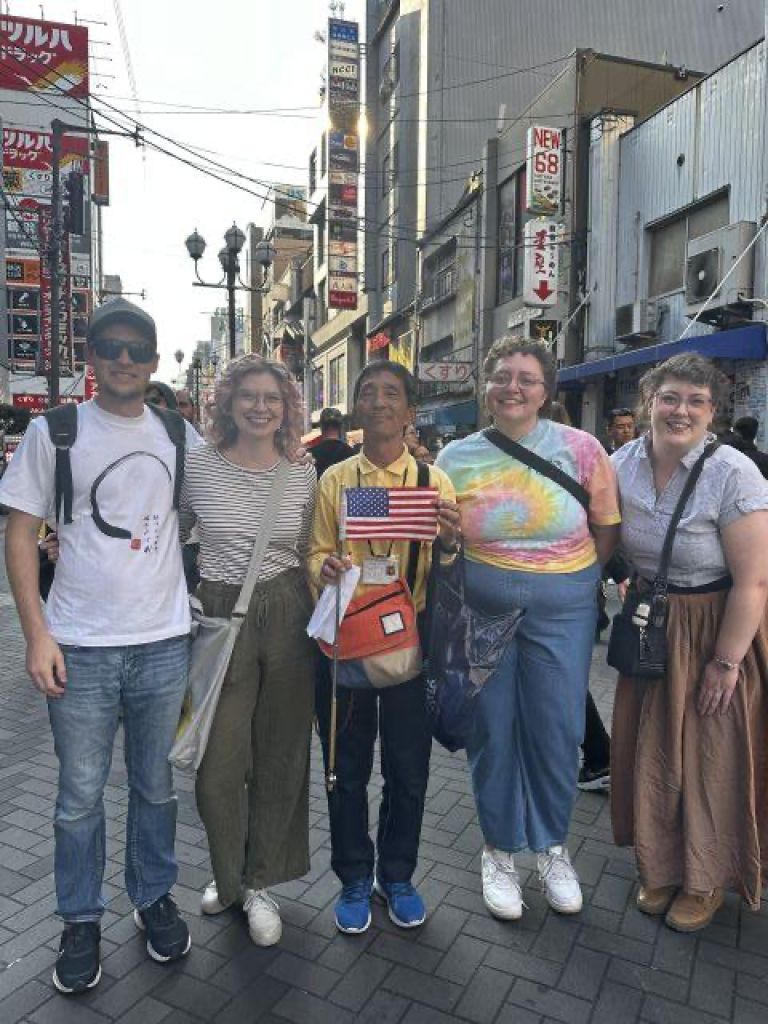
WHO SHOULD TRAVEL INDEPENDENTLY?
Who Should Travel Independently?
Independent travel in Japan may be ideal if you:
• Enjoy planning trips
• Have traveled internationally before
• Prefer maximum flexibility
• Enjoy solving travel challenges
• Want complete control over your itinerary
• Have plenty of time to prepare For many travelers, planning becomes part of the enjoyment.
Who Benefits Most From Guided Tours?
Guided tours often work best for:
• First-time visitors to Japan
• Couples wanting a stress-free experience
• Solo travelers
• Multi-generational families
• Travelers interested in culture and history
• Visitors traveling during cherry blossom or autumn seasons
• Travelers wanting to see multiple regions efficiently The less time you spend worrying about logistics, the more energy you have to enjoy the trip itself.
Why Many Travelers Choose a Japan Group Tour for Their First Visit
One pattern we've noticed repeatedly is that travelers often choose guided tours for their first trip and independent travel for later visits. Why? Because the first visit to Japan can feel overwhelming. A guided tour provides structure, context, and confidence. After experiencing Japan once, many travelers feel comfortable returning independently. Others discover they simply enjoy having experts handle the logistics. Neither approach is better. They're simply different ways to experience the country.
So, Is a Japan Tour Worth It?
For many travelers, yes. Not because Japan is difficult. Not because independent travel isn't possible. But because a well-planned tour allows you to spend less time worrying and more time experiencing. Japan rewards curiosity, attention, and presence. Whether that's watching snow monkeys relax in a hot spring, wandering the streets of Takayama, seeing Mt. Fuji appear through the clouds, or standing beneath thousands of torii gates in Kyoto, those moments are what people remember. The question isn't whether guided tours or independent travel are better. The real question is: How do you want to spend your time in Japan? If your answer is "experiencing as much as possible with as little stress as possible," then a guided Japan tour may be one of the best travel investments you can make.