- Our California office it's now
- 12:59 PM(Fri) - We Are Open
- Tel: 1-909-988-8885 Toll free : 1-855-325-2726 (USA & CANADA)
- info@alljapantours.comFollow Us :


- Monday to Friday 8:30AM - 5:30PM (PST) Saturday 8:30AM - 3:00PM (PST)
- CONTACT US
LUXURY RYOKANS VS LUXURY HOTELS IN JAPAN: WHICH IS RIGHT FOR YOUR JOURNEY?
Article | May Hamamoto
Share to friends
Choosing between a luxury ryokan and a luxury hotel in Japan comes down to your priorities: immersive tradition, communal baths, and multi-course meals (ryokan) vs. modern amenities, flexible check-in, and global standards (luxury hotels). Many travelers benefit from combining both—city hotels and countryside ryokans—as part of a well-rounded Japan itinerary.
INTRODUCTION: A TALE OF TWO LUXURIES IN JAPAN
INTRODUCTION: A TALE OF TWO LUXURIES IN JAPAN
Travelers planning a luxury Japan tour often face one critical lodging decision: Should I stay in a luxury ryokan or a luxury hotel? On one hand, a hotel offers convenience, world-class amenities, and flexible scheduling. On the other hand, a ryokan promises an immersive cultural experience rooted in centuries of Japanese tradition.
At All Japan Tours, we craft bespoke Ultra Deluxe itineraries that let you experience both sides—urban elegance and intimate tradition. In this article, we compare luxury ryokans and luxury hotels across key dimensions to help you decide which is right for your journey (or where to mix both).
WHAT IS A LUXURY RYOKAN — AND WHAT SETS IT APART?
WHAT IS A LUXURY RYOKAN — AND WHAT SETS IT APART?
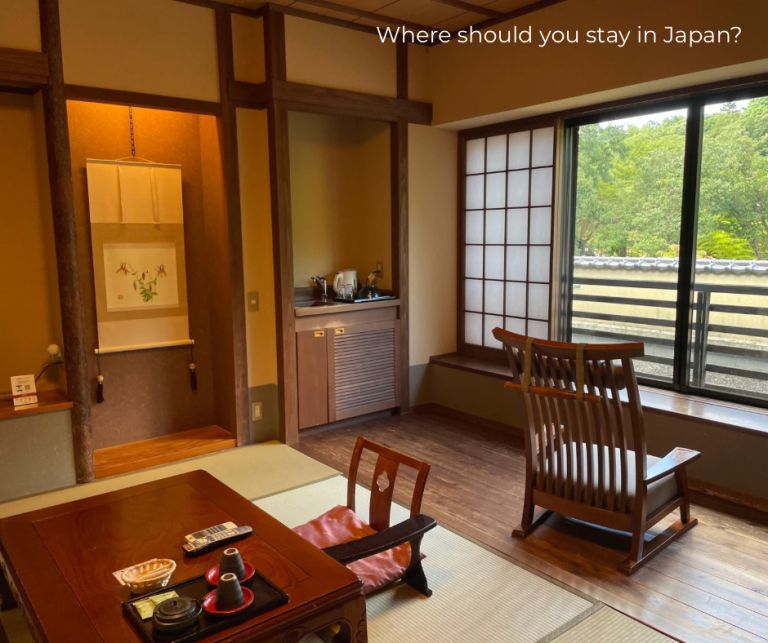
Traditional Design, Tatami, and Futons
A ryokan is a traditional Japanese inn that emphasizes local aesthetics, natural materials, and a slower pace.
- Rooms are often floored with tatami mats, with sliding shoji screens and minimal furniture.
- At night, futons are laid out on the tatami by staff.
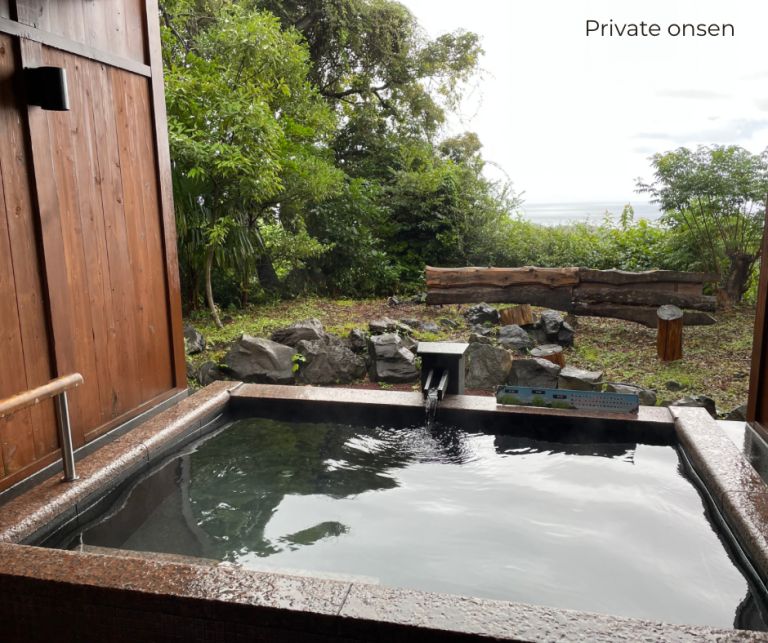
- Many luxury ryokans have private or communal onsen (hot spring baths).
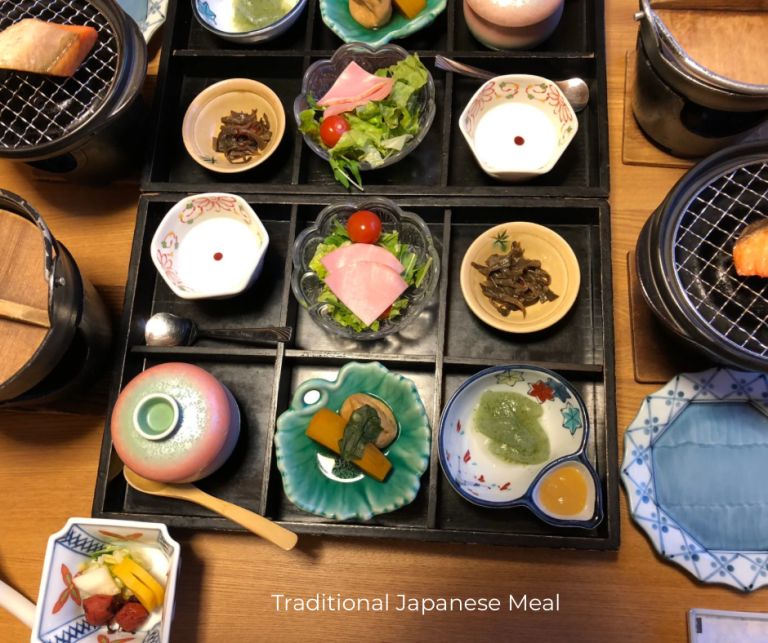
- Meals are often kaiseki-style multi-course dinners plus traditional breakfast, served in-room or in small dining rooms.
Deep Hospitality (Omotenashi) and Rituals
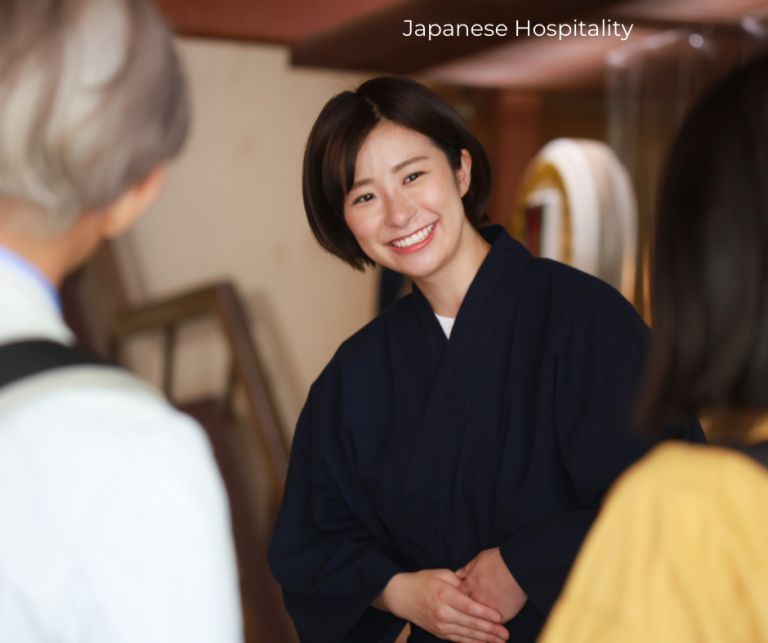
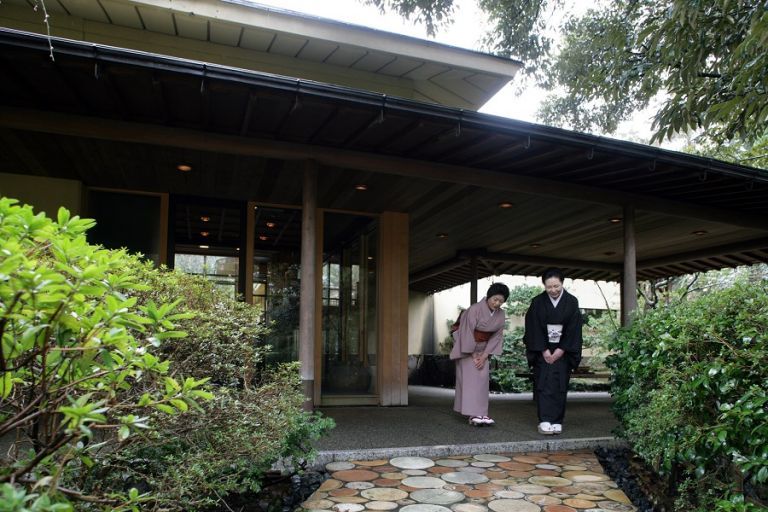
Luxury ryokans are defined not just by physical features but by the philosophy of omotenashi—the art of anticipatory service and wholehearted hospitality.
- Guests are greeted with tea and sweets; staff might escort you to your room and explain every aspect of the stay.
- The experience is paced: dinner and baths are often on fixed schedules, so there’s a rhythm to your stay.
- Etiquette matters: removing shoes, quietness in communal areas, bath rituals, and following house rules are part of the charm.
When and Where Luxury Ryokans Appear
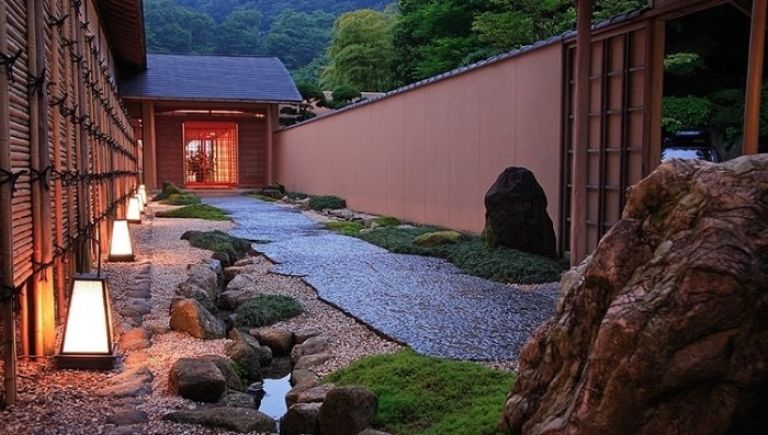
Luxury ryokans are often located in scenic or hot spring regions—Hakone, Kinosaki Onsen, Gero, Izu, Takayama, and the countryside around Kyoto, for example. They capitalize on natural surroundings and tranquility.
Newer “modern ryokan” or ryokan-inspired boutique stays in cities (e.g., Hoshinoya Tokyo) blend tradition and modern convenience.
WHAT DEFINES A LUXURY HOTEL IN JAPAN?
WHAT DEFINES A LUXURY HOTEL IN JAPAN?
Modern Amenities and Global Standards
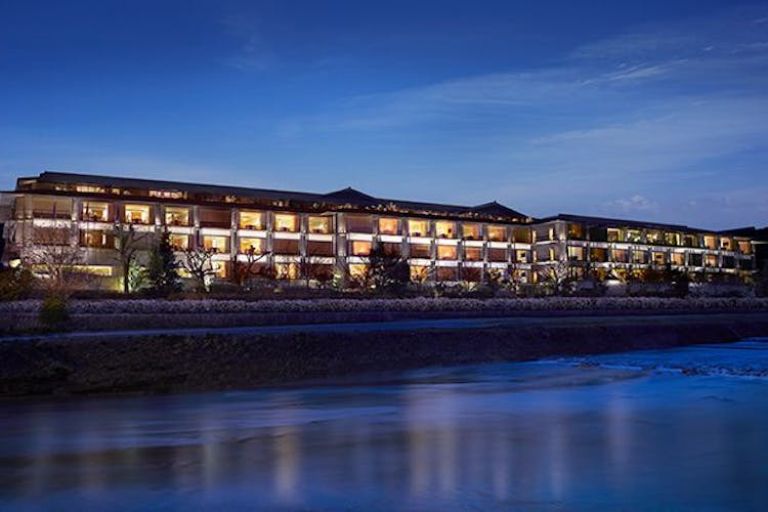
A luxury hotel typically emphasizes universal comfort, technology, and convenience:
- Western-style beds, full bathrooms, and modern furnishings.
- 24/7 reception, room service, concierge, spa, fitness, and multiple dining options.
- Flexible check-in/check-out times and more lenient scheduling.
- Predictability—what you expect from a five-star hotel elsewhere is largely preserved in Japan.
Location and Accessibility
Luxury hotels are often in major cities (Tokyo, Kyoto, Osaka, Sapporo) or near transport hubs. They provide easier connectivity for sightseeing and transfers.
Some hotels also adopt Japanese touches (design aesthetics, local cuisine) to offer a hybrid feel.
Scalability & Space
Hotels often have more rooms, larger common areas, lounges, multiple restaurants, bars, and sometimes large ballrooms or business facilities. They are better suited for groups, conferences, and guests needing robust infrastructure.
SIDE-BY-SIDE COMPARISON
SIDE-BY-SIDE COMPARISON
Luxury Ryokan vs. Luxury Hotel
| Feature | Luxury Ryokan | Luxury Hotel |
|---|---|---|
| Atmosphere & Experience | Intimate, slow, cultural, deeply Japanese | Polished, efficient, globally consistent |
| Meals | Typically included (kaiseki dinners + breakfast) | A la carte or buffet, often at an extra cost |
| Bathing & Onsen | Communal or private onsen/baths | Spa or bath facility, often private |
| Room Design | Tatami, futon, sliding screens | Western beds, full bathrooms |
| Service Style | Hands-on, ritualized, anticipatory | Professional, efficient, scalable |
| Check-in Flexibility | More restricted (must arrive before dinner time) | More flexible, multiple dining hours |
| Location | Often remote, scenic, hot spring areas | City center or transit hubs |
| Cost & Value | High, but bundled inclusions | Variable — amenities often priced separately |

WHICH IS BETTER FOR YOUR TRAVEL STYLE?
WHICH IS BETTER FOR YOUR TRAVEL STYLE?
For Cultural Immersion Seekers
If your priority is experiencing Japan’s soul—its traditions, local food, and hospitality—a luxury ryokan is ideal. It invites you to slow down, engage your senses, and live a day in another era.
For Convenience & Flexibility Lovers
If your trip is packed with sightseeing, early train rides, and varied schedules, a luxury hotel offers ease, accessible services, and fewer constraints on your pace.
Hybrid Approach (Highly Recommended)
Many discerning travelers combine both:
- Stay in a city hotel while exploring Tokyo, Kyoto, Osaka.
- Then transfer into countryside or onsen towns and stay in luxury ryokan for 1–2 nights.
- This allows the best of both worlds.
Our Ultra Deluxe Japan Tours often follow this model: city stays in iconic hotels + select nights in top-tier ryokan.
PEOPLE ALSO ASK: QUICK ANSWERS
PEOPLE ALSO ASK: QUICK ANSWERS
Is a luxury ryokan more expensive than a luxury hotel?
Often yes. But that cost includes meals, bath access, and immersive service. In contrast, hotels may charge extra for meals, spa access, and services.
Can I stay in a ryokan and still visit Tokyo?
Yes—there are ryokan or ryokan-style boutique stays even in or near Tokyo (e.g. Hoshinoya Tokyo) that give you the experience without leaving the city.
How far in advance should I book a luxury ryokan?
Book at least 2–3 months ahead, especially for the top ryokan in popular regions. Many have limited rooms and strict cancellation policies.
Do luxury ryokans accept guests with tattoos or children?
- Tattoos: Some ryokans (especially those with shared onsen) may restrict visible tattoos; verify ahead.
- Children: Many ryokans accept families, though quiet rules may apply. Some ryokan cater only to adults; always check the policy.
INTEGRATING YOUR STAY INTO AN ULTRA DELUXE JAPAN TOUR
INTEGRATING YOUR STAY INTO AN ULTRA DELUXE JAPAN TOUR
When designing your itinerary, consider:
1. Balance — Allocate city nights for convenience and ryokan nights for cultural depth.
2. Region Matters — Choose ryokan in iconic areas like Hakone, Kinosaki, Takayama, or rural Kyoto environs.
3. Transfers & Timing — Plan transport so you arrive at ryokan in time for dinner, often by 6–7 p.m.
4. Special Add-ons — Some tours offer tea ceremony, private bath reservations, local craft classes or guided walks in the region.
5. Tailored for You — If you prefer more luxury amenities or less traditional constraints, we can select “modern ryokan” or hybrid properties that ease the transition.
YOUR DREAM LUXURY JAPAN TOUR AWAITS—CONTACT US TODAY
YOUR DREAM LUXURY JAPAN TOUR AWAITS—CONTACT US TODAY
There’s no one-size-fits-all answer to Luxury Ryokans vs. Luxury Hotels in Japan—but the best journeys often weave between both, letting you immerse in tradition and enjoy modern comfort.
At All Japan Tours, our Ultra Deluxe itineraries are thoughtfully curated to combine world-class hotels in Tokyo, Kyoto, Osaka, and beyond, with nights at carefully selected luxury ryokans that deliver unforgettable cultural moments.
Ready to plan your dream luxury Japan experience? Contact us today to tailor a tour that blends refined hotels and enchanting ryokan stays perfectly for your travel style. Visit our Ultra Deluxe page to explore what we offer, and let’s begin designing your ideal Japan journey now.
Learn more about our Ultra Deluxe tours: https://alljapantours.com/ultra-deluxe/
We look forward to helping you experience the best of both worlds on your next Japan adventure.