- Our California office it's now
- 11:48 AM(Fri) - We Are Open
- Tel: 1-909-988-8885 Toll free : 1-855-325-2726 (USA & CANADA)
- info@alljapantours.comFollow Us :


- Monday to Friday 8:30AM - 5:30PM (PST) Saturday 8:30AM - 3:00PM (PST)
- CONTACT US
JAPAN’S BEST LUXURY RYOKAN BY REGION: WHERE TO EXPERIENCE TRADITIONAL JAPANESE HOSPITALITY
Article | May H
Share to friends
JAPAN'S BEST LUXURY RYOKAN BY REGION: WHERE TO EXPERIENCE TRADITIONAL JAPANESE HOSPITALITY
Luxury means something different in Japan. It isn't always about grand lobbies or sparkling chandeliers. Instead, luxury often feels quieter and more personal. It's the moment you're welcomed with a warm cup of matcha after a long journey. It's soaking in a private open-air hot spring while listening to the sound of a nearby river. It's watching a chef prepare a seasonal kaiseki dinner using ingredients harvested that very morning. It's opening the shoji screens in your room to find a perfectly tended garden waiting outside. These are the moments that define luxury travel in Japan. One of the best ways to experience this side of the country is by staying at a ryokan. More than just a place to sleep, a ryokan offers an opportunity to experience Japanese hospitality, known as omotenashi, in a way that hotels simply cannot replicate. Whether you're planning your first trip to Japan or returning to explore the country more deeply, spending a night at a luxury ryokan is an experience many travelers describe as one of the highlights of their journey. At All Japan Tours, our Ultra Deluxe Tours include carefully selected accommodations that combine exceptional comfort with authentic Japanese culture. Rather than simply staying somewhere beautiful, you'll experience destinations where the accommodation itself becomes part of the adventure.
WHAT IS A RYOKAN?
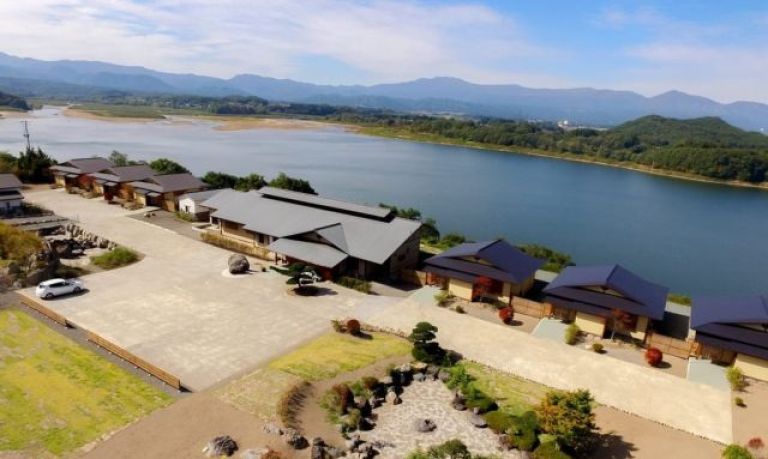
For many first-time visitors, the word "ryokan" simply means a traditional Japanese inn. While that's technically true, it doesn't fully capture the experience.
A ryokan is less about the building and more about the atmosphere it creates.
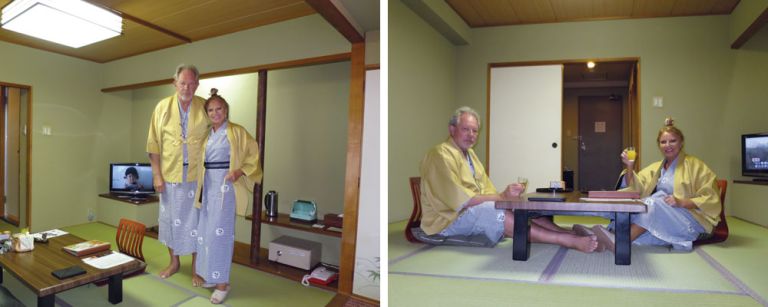
Shoes are removed at the entrance. Tatami mats replace carpet. Sliding paper doors separate rooms filled with natural wood and soft lighting. A yukata robe is waiting for you to change into before dinner. Staff greet you warmly and often remember your name from the moment you arrive.
Unlike many luxury hotels around the world, a ryokan encourages you to slow down.
Instead of rushing from sightseeing to dinner, you're invited to enjoy tea in your room, soak in an onsen before your meal, stroll through peaceful gardens, and appreciate the changing scenery outside your window.
Dinner isn't simply served.
It's presented course by course as a seasonal kaiseki meal, with dishes carefully prepared to reflect the region and time of year.
Breakfast is just as memorable, often featuring grilled fish, seasonal vegetables, rice, miso soup, and handmade side dishes that provide a wonderful introduction to Japanese morning cuisine.
Luxury in Japan isn't loud.
It's thoughtful.
Why Staying at a Luxury Ryokan Feels Different
One of the reasons travelers fall in love with Japan is because so much attention is given to small details. That same philosophy carries into the country's finest ryokan. Service feels personal without being intrusive. Every room is prepared with care. Seasonal flowers appear throughout the property. The menu changes throughout the year, reflecting what's freshest from nearby mountains, rivers, and coastlines. Many luxury ryokan have fewer than thirty guest rooms. Some have fewer than ten. This allows staff to create an experience that feels remarkably personal. You might find your tea quietly refreshed while you're enjoying dinner. Your futon carefully prepared while you relax in the hot spring. Fresh seasonal sweets waiting when you return to your room. It's these thoughtful touches that often leave the biggest impression.
Fun fact: Japan is home to the world's oldest continuously operating hotel. Nishiyama Onsen Keiunkan, located in Yamanashi Prefecture, first opened in the year 705 and has welcomed guests for more than 1,300 years.
HAKONE: LUXURY RYOKAN WITH HOT SPRINGS AND VIEWS OF MOUNT FUJI
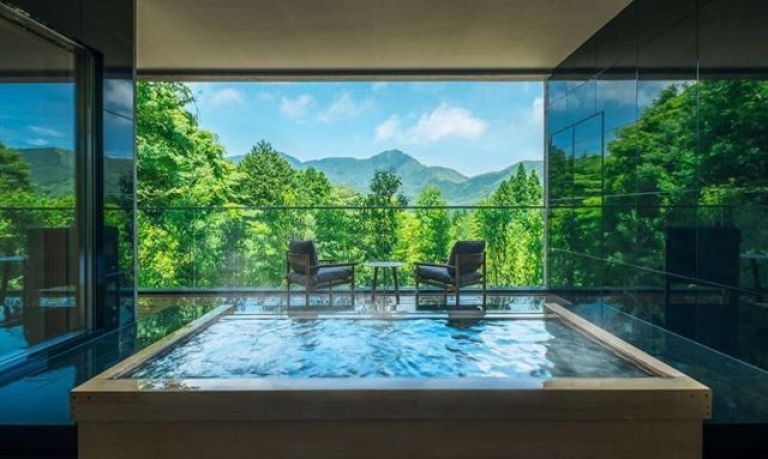
Just a short journey from Tokyo, Hakone has long been one of Japan's favorite luxury escapes. Known for its volcanic landscape, natural hot springs, and views of Mount Fuji, the region offers an entirely different atmosphere from the capital city. It's easy to understand why so many travelers choose to spend their first night outside Tokyo here. After experiencing the excitement of Shibuya Crossing, Asakusa, or Ginza, Hakone feels wonderfully peaceful. Luxury ryokan in Hakone often feature private open-air baths overlooking forests or mountains. During cooler months, there's nothing quite like soaking in steaming mineral water while crisp mountain air surrounds you. Many properties also serve exceptional kaiseki meals featuring ingredients from nearby regions, including fresh seafood from Sagami Bay and seasonal mountain vegetables. Hakone itself offers plenty to explore. Visitors can cruise across Lake Ashi, ride the Hakone Ropeway above volcanic valleys, visit the Hakone Open-Air Museum, and, on clear days, enjoy spectacular views of Mount Fuji. For travelers joining one of our Ultra Deluxe Tours, Hakone provides the perfect introduction to traditional Japanese hospitality while remaining easily accessible from Tokyo.
KYOTO: TIMELESS ELEGANCE IN JAPAN'S CULTURAL HEART
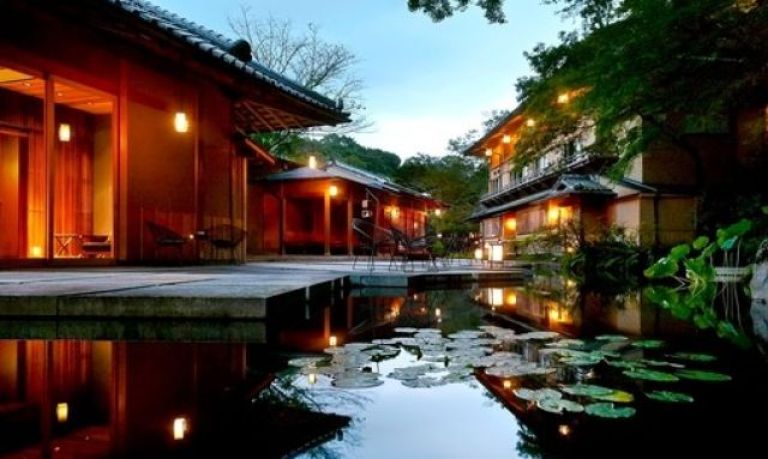
Kyoto is already one of Japan's most beautiful cities during the day. At night, it becomes something else entirely. As day visitors leave, temple grounds grow quieter. Lanterns begin to glow along traditional streets. The atmosphere becomes softer, calmer, and more intimate. Staying overnight allows you to experience this side of Kyoto. Luxury ryokan here blend centuries-old tradition with understated elegance. Historic wooden buildings, carefully designed gardens, tea rooms, and seasonal dining create an experience that feels deeply connected to Kyoto's history. Many travelers spend their evenings strolling through Gion, hearing the distant sound of temple bells, or enjoying beautifully prepared kaiseki meals inspired by Kyoto's seasonal ingredients. Kyoto's emphasis on craftsmanship is reflected everywhere, from handwoven textiles and ceramics to lacquerware and traditional sweets. Rather than feeling like a museum, the city feels wonderfully alive. One of our favorite things about staying in Kyoto is how different the city feels early in the morning. Walking through streets like Ninenzaka or visiting Fushimi Inari before the crowds arrive offers a completely different perspective on Japan's former capital. Luxury here isn't simply about comfort. It's about having the time to experience Kyoto at its most peaceful.
KAGA ONSEN: ONE OF JAPAN'S BEST-KEPT LUXURY SECRETS
While Hakone often receives international attention, Kaga Onsen remains one of Japan's quieter luxury destinations.
Located in Ishikawa Prefecture, this historic hot spring region has welcomed travelers for more than a thousand years.
The atmosphere feels wonderfully relaxed.
Instead of large crowds, you'll find elegant ryokan surrounded by gardens, forests, and mountain scenery.
Many properties focus on privacy, offering spacious rooms, beautifully designed baths, and exceptional seasonal cuisine prepared with local seafood from the Sea of Japan.
The region is also famous for traditional craftsmanship.
Kutani porcelain, Yamanaka lacquerware, and hand-made washi paper all have deep roots here.
Many travelers combine a ryokan stay with visits to nearby Kanazawa, creating a wonderful balance between cultural sightseeing and relaxation.
Kaga Onsen reminds visitors that luxury doesn't always need to be discovered in Japan's biggest cities.
Sometimes it's found in the quiet places where time seems to move a little more slowly.
Kurokawa Onsen: A Village Designed Around Relaxation
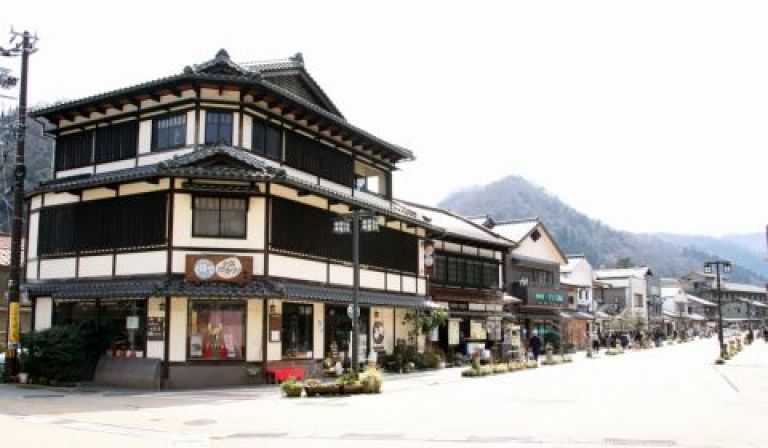
If there is one place that perfectly captures the feeling of slowing down in Japan, it's Kurokawa Onsen. Hidden among the mountains of Kumamoto Prefecture, this small hot spring town feels remarkably untouched. Rather than large hotels and busy shopping streets, you'll find narrow lanes, wooden bridges, traditional ryokan, flowing streams, and forests surrounding the village. One of the things that makes Kurokawa different is that the entire town feels like one large ryokan. Guests staying overnight can purchase an onsen hopping pass, allowing them to visit several different hot spring baths throughout the village. Each bath has its own atmosphere. Some overlook rivers, others are tucked into forests, while a few are carved directly into natural rock formations. Walking through Kurokawa wearing a yukata robe and wooden geta sandals quickly becomes part of the experience. There is no rush here. You might stop for freshly made sweets, browse a small craft shop, or simply sit beside the river listening to the sound of flowing water. Luxury in Kurokawa comes from simplicity. There are no towering skyscrapers or designer boutiques. Instead, the luxury is found in silence, fresh mountain air, exceptional hospitality, and having the time to truly unwind. It's easy to understand why many Japanese travelers return year after year.
BEPPU: JAPAN'S HOT SPRING CAPITAL
If Hakone is Japan's most famous luxury escape, Beppu is its hot spring capital.
Located on the island of Kyushu, Beppu is home to more hot spring water than almost anywhere else in the country. Steam rises throughout the city from natural vents, creating an unforgettable landscape the moment you arrive.
Luxury travelers often choose Beppu because it offers much more than traditional bathing.
Here, you can experience sand baths, where naturally heated volcanic sand gently covers your body, helping muscles relax after a day of sightseeing.
There are steam baths, mud baths, private family baths, and elegant ryokan overlooking Beppu Bay.
Food also plays a special role here.
Thanks to the natural geothermal steam, many local restaurants prepare dishes using traditional jigoku mushi, or "hell steaming," where vegetables, seafood, and meats are gently cooked using steam from the hot springs.
It's a wonderfully local experience that you won't find in many other parts of Japan.
For travelers exploring Kyushu, Beppu often becomes much more than a place to spend the night.
It becomes a destination where wellness, food, and Japanese hospitality come together beautifully.
Nikko: Luxury Surrounded by Nature and History
If Hakone is Japan's most famous luxury escape, Beppu is its hot spring capital. Located on the island of Kyushu, Beppu is home to more hot spring water than almost anywhere else in the country. Steam rises throughout the city from natural vents, creating an unforgettable landscape the moment you arrive. Luxury travelers often choose Beppu because it offers much more than traditional bathing. Here, you can experience sand baths, where naturally heated volcanic sand gently covers your body, helping muscles relax after a day of sightseeing. There are steam baths, mud baths, private family baths, and elegant ryokan overlooking Beppu Bay. Food also plays a special role here. Thanks to the natural geothermal steam, many local restaurants prepare dishes using traditional jigoku mushi, or "hell steaming," where vegetables, seafood, and meats are gently cooked using steam from the hot springs. It's a wonderfully local experience that you won't find in many other parts of Japan. For travelers exploring Kyushu, Beppu often becomes much more than a place to spend the night. It becomes a destination where wellness, food, and Japanese hospitality come together beautifully.
About two hours north of Tokyo lies Nikko, one of Japan's most impressive combinations of natural beauty and cultural heritage. While many visitors come as a day trip to see Toshogu Shrine, staying overnight completely changes the experience. Early mornings in Nikko are wonderfully peaceful. The cedar forests surrounding Toshogu Shrine feel almost mystical before the tour buses arrive. Walking through the temple complex in the quiet morning light allows you to appreciate details that are easy to miss during busier hours. Luxury accommodations in the region often overlook Lake Chuzenji or sit near the mountains and waterfalls of Nikko National Park. During autumn, the surrounding forests transform into brilliant shades of red, orange, and gold, making Nikko one of Japan's premier destinations for autumn foliage. In winter, snow quietly settles across temple roofs and forest paths, creating an entirely different atmosphere. Nikko reminds travelers that luxury isn't always about exclusivity. Sometimes it's simply about having enough time to experience a remarkable place at its most peaceful. Fun fact: Toshogu Shrine is the final resting place of Tokugawa Ieyasu, the founder of the Tokugawa Shogunate, which ruled Japan for more than 250 years.
Hokkaido: Luxury in Japan's Northern Wilderness
If Hakone is Japan's most famous luxury escape, Beppu is its hot spring capital. Located on the island of Kyushu, Beppu is home to more hot spring water than almost anywhere else in the country. Steam rises throughout the city from natural vents, creating an unforgettable landscape the moment you arrive. Luxury travelers often choose Beppu because it offers much more than traditional bathing. Here, you can experience sand baths, where naturally heated volcanic sand gently covers your body, helping muscles relax after a day of sightseeing. There are steam baths, mud baths, private family baths, and elegant ryokan overlooking Beppu Bay. Food also plays a special role here. Thanks to the natural geothermal steam, many local restaurants prepare dishes using traditional jigoku mushi, or "hell steaming," where vegetables, seafood, and meats are gently cooked using steam from the hot springs. It's a wonderfully local experience that you won't find in many other parts of Japan. For travelers exploring Kyushu, Beppu often becomes much more than a place to spend the night. It becomes a destination where wellness, food, and Japanese hospitality come together beautifully.
Japan's northernmost island offers a completely different style of luxury. Instead of bustling cities and historic temples, Hokkaido is known for wide open landscapes, volcanic mountains, pristine lakes, exceptional seafood, and some of the best powder snow in the world. Luxury ryokan and boutique resorts here often embrace the surrounding nature. Large windows frame mountain views. Private outdoor baths overlook forests. Restaurants highlight local ingredients such as king crab, scallops, sea urchin, wagyu beef, dairy products, and seasonal vegetables. Winter naturally attracts skiers from around the world, but Hokkaido is just as rewarding during summer. Wildflowers bloom across rolling hills. Lavender fields fill Furano with color. National parks become ideal for hiking and wildlife watching. Autumn paints the forests in vibrant shades long before much of the rest of Japan begins changing color. The slower pace of Hokkaido encourages travelers to stay longer, explore more deeply, and appreciate Japan's incredible natural diversity. It's luxury shaped by landscape.
SOME OF JAPAN'S MOST CELEBRATED LUXURY RYOKAN
While every region has exceptional places to stay, a handful of ryokan have earned international recognition for their hospitality, architecture, cuisine, and attention to detail. These are the properties that many travelers dream about long before they arrive in Japan.
One of the country's most iconic inns is Hiiragiya Ryokan in Kyoto. Established more than 200 years ago, Hiiragiya has welcomed writers, artists, diplomats, and members of Japan's Imperial Family. Despite its reputation, it never feels formal or intimidating. The experience is rooted in quiet elegance, where every detail—from handwritten welcome notes to seasonal flower arrangements, is thoughtfully considered.
Nearby, Tawaraya Ryokan has become something of a legend among luxury travelers. Frequently listed among the finest traditional inns in the world, Tawaraya is known for its understated design, impeccable service, and deeply personal approach to hospitality. Rather than feeling extravagant, it feels peaceful.
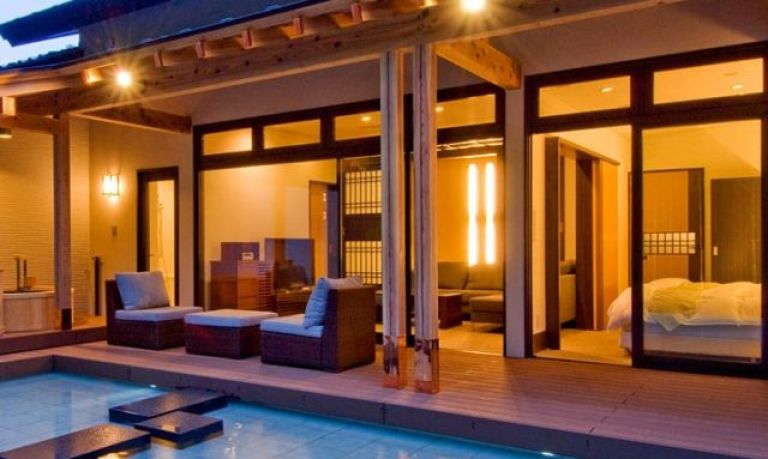
In Hakone, Gora Kadan offers another interpretation of Japanese luxury. Once the summer retreat of the Imperial Family, the property blends modern architecture with traditional ryokan culture. Spacious suites, private outdoor baths, exceptional kaiseki dining, and mountain views make it one of Japan's most sought-after luxury accommodations.
For travelers looking for something more contemporary, HOSHINOYA Kyoto offers a unique experience. Accessible only by boat along the Oi River in Arashiyama, the property feels wonderfully secluded despite being only minutes from one of Kyoto's most famous districts. Modern design blends effortlessly with traditional craftsmanship, creating an atmosphere that feels both timeless and refreshingly new.
Further north in Ishikawa Prefecture, Beniya Mukayu has become synonymous with minimalist luxury. Surrounded by peaceful gardens and natural hot springs, the ryokan embraces simplicity. Every room, every meal, and every space is designed to help guests slow down and appreciate the present moment.
Fun fact: Many of Japan's finest ryokan deliberately avoid excessive decoration. Rather than impressing guests with lavish interiors, they focus on proportion, natural materials, seasonal flowers, handcrafted furnishings, and views that change throughout the year.
CHOOSING THE RIGHT LUXURY RYOKAN FOR YOUR TRAVEL STYLE
One of the wonderful things about Japan is that no two ryokan feel exactly alike.
Some specialize in wellness and hot springs.
Others focus on exceptional dining.
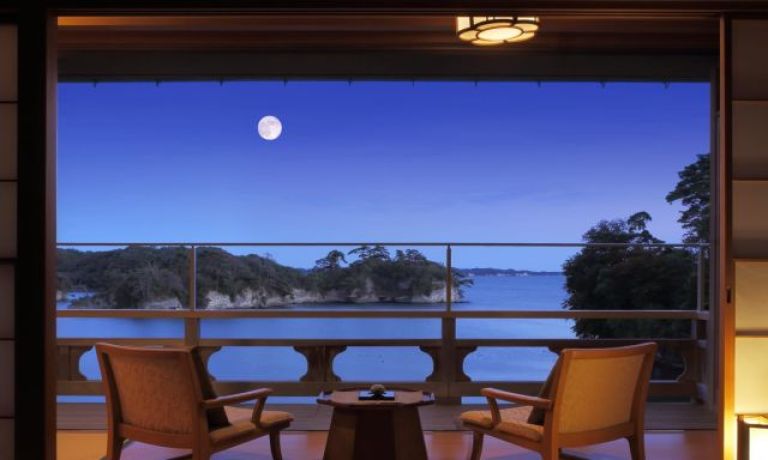
Some are surrounded by forests, while others overlook the sea or sit within historic cities.
Couples celebrating a honeymoon or anniversary often enjoy secluded ryokan with private open-air baths and intimate dining experiences.
Food lovers may prefer destinations known for regional cuisine, where every meal highlights ingredients unique to that area.
Travelers interested in history may find Kyoto or Nikko especially rewarding, while those looking to disconnect completely often fall in love with places like Kurokawa Onsen or Kaga Onsen.
There is no single "best" ryokan.
The right choice depends on the type of journey you want to have.
That's one reason our travel specialists spend time understanding each traveler's interests before recommending an itinerary.
Sometimes the perfect accommodation isn't the most famous one.
It's simply the one that fits your travel style.
Why an Ultra Deluxe Tour Makes the Experience Even Better
Planning a luxury trip through Japan can be surprisingly complex. Many of the country's finest ryokan have only a handful of guest rooms. Some accept reservations months in advance, while others have limited English booking support. Then there's the challenge of connecting everything together. Choosing the right regions. Coordinating transportation. Balancing modern cities with countryside escapes. Finding enough time to actually enjoy each destination instead of constantly packing and unpacking. That's where a thoughtfully designed itinerary makes all the difference.
Our Ultra Deluxe Tours combine Japan's finest accommodations with carefully planned sightseeing, outstanding regional cuisine, and expert guides who help bring each destination to life.
Instead of worrying about train schedules or luggage transfers, travelers are free to focus on what they came to experience. The gardens. The cuisine. The craftsmanship. The conversations. The quiet moments spent soaking in an outdoor bath while mountain mist drifts through the trees. Luxury travel isn't about fitting more into each day. It's about giving yourself the space to appreciate each experience fully.
Experience Japan's Finest Hospitality
A stay at a luxury ryokan is often remembered long after the details of an itinerary begin to fade. It's the feeling of arriving to warm hospitality after a day of exploring. It's watching a chef prepare a meal inspired by the season. It's listening to rain fall outside while soaking in a natural hot spring. It's waking to birdsong instead of traffic and enjoying a traditional Japanese breakfast before another day of discovery. These experiences capture something that is difficult to describe until you've experienced it yourself. They reflect a quieter side of Japan, where craftsmanship, hospitality, and attention to detail have been refined over centuries. Whether you're dreaming of the mountain retreats of Hakone and Kurokawa Onsen, the timeless elegance of Kyoto, the peaceful landscapes of Kaga Onsen, the geothermal wonders of Beppu, the forests of Nikko, or the natural beauty of Hokkaido, a luxury ryokan offers more than exceptional accommodation. It offers a deeper understanding of Japanese culture.
For travelers looking to experience Japan at its most comfortable, authentic, and memorable, our collection of All Japan Tours Ultra Deluxe Tours has been thoughtfully designed to showcase the very best of the country while making every step of the journey effortless.
Because in Japan, the greatest luxury isn't simply where you stay. It's how the experience makes you feel.