- Our California office it's now
- 12:59 PM(Fri) - We Are Open
- Tel: 1-909-988-8885 Toll free : 1-855-325-2726 (USA & CANADA)
- info@alljapantours.comFollow Us :


- Monday to Friday 8:30AM - 5:30PM (PST) Saturday 8:30AM - 3:00PM (PST)
- CONTACT US
RARE LUXURY CHERRY BLOSSOM VIEWING EXPERIENCES IN JAPAN
Article | May Hamamoto
Share to friends
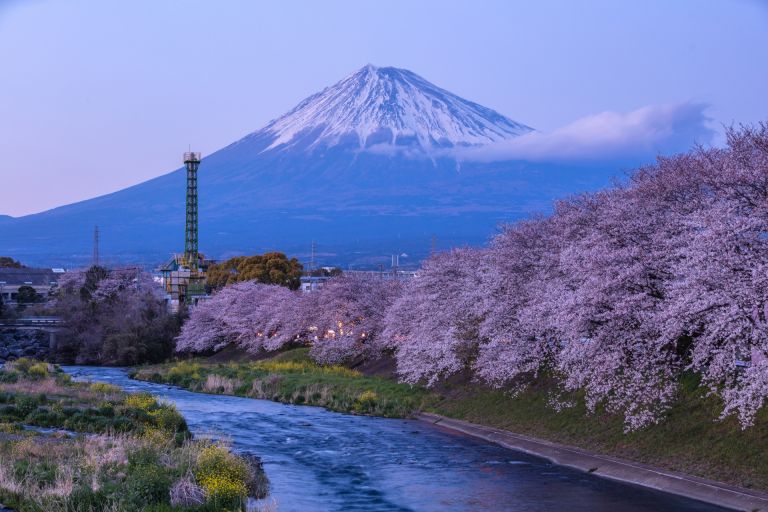
Soft light skims a canal, petals drift like snow, and the air smells faintly sweet. In Japan, cherry blossom season can get loud and crowded, but they don’t have to. That’s what rare luxury cherry blossom viewing experiences in Japan really mean: privacy, special access, and careful planning, paired with warm service that keeps everything simple. It’s a seat on quiet water as the trees bloom overhead, a garden that opens before the day’s first tour bus, or a hillside viewpoint you can’t reach without the right local help. It goes beyond a fancy room near a famous park.
This guide is for travelers who want sakura at its most personal. Expect hidden places, hard-to-reach viewpoints, and a few truly exclusive options where crowds are replaced by calm, comfort, and space to linger. If you’re planning with All Japan Tours, you’ll also see what makes these moments possible, the season’s tight windows, the local rules, and the small details that turn a beautiful scene into a once-in-a-lifetime memory.
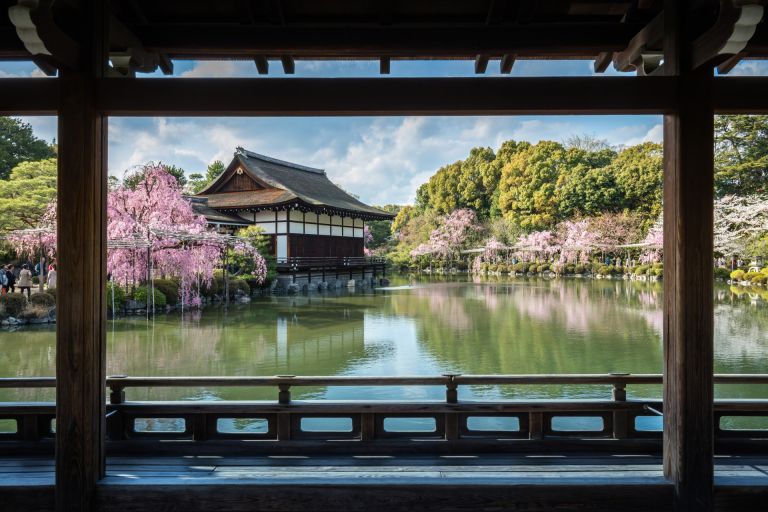
WHAT MAKES A CHERRY BLOSSOM EXPERIENCE TRULY RARE AND LUXURIOUS
WHAT MAKES A CHERRY BLOSSOM EXPERIENCE TRULY RARE AND LUXURIOUS
Luxury sakura viewing isn’t about chasing the most famous park at peak hour. It’s about space, timing, and access, paired with a calm rhythm that lets you notice the small things: the hush of petals falling, the scent of damp soil after a light rain, the way evening light turns pale pink into gold. The rarest experiences feel almost private, even in Japan’s busiest season, because the details are handled with care and respect.
Access that most visitors can’t get (permits, private gates, and local introductions)
Some of Japan’s most beautiful blossoms sit behind doors you’d walk past without noticing. A private garden might open only on a few mornings a year, or a historic property may allow viewing only with prior permission. These aren’t “secret spots” in the social media sense. They’re protected places, and privacy is part of what keeps them special.
This is where permits and private entry points matter. In certain areas, access is controlled for practical reasons (to protect old trees and fragile paths), and sometimes for cultural reasons (to preserve the quiet of a family home, a temple precinct, or a traditional venue). A rare luxury experience often includes pre-arranged entry at a specific time, when the garden can be enjoyed without a stream of visitors.
Introductions also carry real weight in Japan. An introduction is not a shortcut around rules. It’s a sign that someone local is willing to vouch for your group’s behavior and respect. That trust can open doors, but it comes with expectations.
If you’re lucky enough to be invited into an intimate setting, a few habits keep the welcome warm:
- Arrive early and keep voices low, even if the space feels “yours” for the hour.
- Ask before taking photos, and avoid pointing cameras into private living areas.
- Follow footwear rules closely, and don’t step off paths to “get the perfect angle.”
- Treat staff and hosts with steady courtesy, not performance-level gratitude.
Done right, it feels like being handed a key to a quiet room in a busy house. You’re not just seeing blossoms, you’re being trusted around them.
Comfort that stays quiet (chauffeured rides, VIP check-ins, and calm pacing)
In sakura season, friction adds up fast. A packed platform, a missed connection, a hotel lobby line, a heavy bag on a crowded sidewalk. None of it sounds tragic, but it steals time and mood, and can turn a beautiful day into a checklist.
Quiet luxury fixes those problems without making the trip feel showy. A chauffeured ride means more than status; it’s also about door-to-door routing that respects the short bloom window. You leave when the light is right, you don’t worry about parking or taxi shortages, and you can stop for five minutes because the trees look unreal on that stretch of river.
The same goes for VIP check-ins and thoughtful hotel support. When luggage is handled and rooms are ready when promised, you keep your energy for what you came to see. Even small comforts matter more than people expect in spring, when days can swing from warm sun to sharp evening air.
Calm pacing is the other piece. Crowds push travelers into rushing, but blossoms don’t reward speed. A well-planned day builds in pauses so you can linger:
A short rest in a quiet café near the trees, not two neighborhoods away. A warm drink before sunset, so you’re comfortable during evening illumination. A planned break between locations, so you arrive with patience instead of fatigue. This is where luxury becomes deeply practical. You spend less time solving problems and more time actually looking up.
The timing advantage (micro-forecasting, elevation, and late-bloom varieties)
Cherry blossom season looks simple on paper, but it is all a delicate balance. One warm spell can pull blooms forward. A cold snap can hold them back. Wind and rain can shorten the peak, sometimes overnight. That’s why the biggest advantage isn’t luck, it’s timing guided by local awareness.
Pros watch microclimates, not just city-wide forecasts. Waterfront paths often bloom differently than inland streets. A river corridor can run cooler at night, stretching the viewing window by a few days. Even in the same city, a sheltered garden may hold blossoms longer than an open park exposed to wind.
Elevation is another quiet trick. Head a bit higher and spring arrives later. That can mean catching peak bloom after lower areas have already turned green. For travelers who value rarity, this opens up a longer season with less competition for the best views and the best light.
Variety matters, too. Not every cherry tree peaks at the same time, and you don’t have to end your trip when the Somei Yoshino fade. Two favorites for extending the season:
Weeping cherry (shidarezakura) often flowers in a way that feels theatrical, with curtains of blossoms that photograph beautifully and can peak on a slightly different schedule than standard varieties.
Late-bloom yaezakura (double-flowered cherry) tends to arrive after the main rush. The blossoms look fuller and can feel more festive, and the later timing often brings a calmer atmosphere.
With the right guidance, you can adjust by a day, shift to a better valley, or choose a later-blooming grove and still get that “petals in the air” moment.
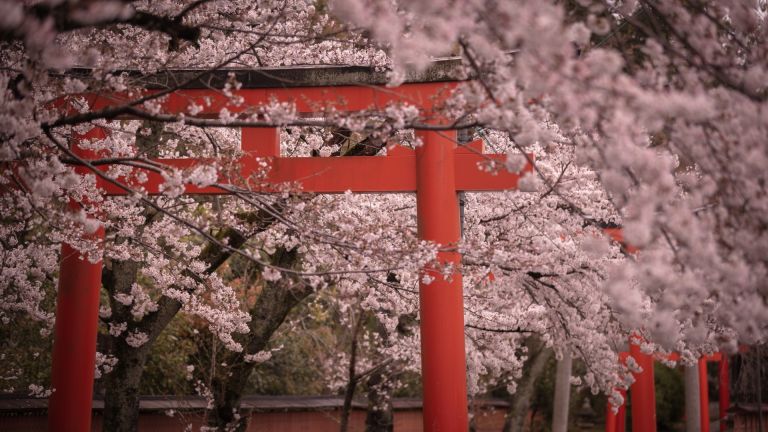
HARD-TO-REACH SAKURA SPOTS THAT FEEL PRIVATE, EVEN IN PEAK SEASON
HARD-TO-REACH SAKURA SPOTS THAT FEEL PRIVATE, EVEN IN PEAK SEASON
If you want cherry blossoms that still feel personal in peak season, you have to leave the easy routes behind. The tradeoff is worth it: fewer trains, fewer taxis, fewer hotels, and less English on the ground. The reward is even more real. You get quiet air, unhurried views, and that rare sense that the scene is happening just for you.
These are places where luxury shows up in a practical way. A private car that waits when you stop for photos. A guide who knows which side road stays calm. A top ryokan or boutique stay you lock in early because there simply aren’t many rooms. With the right support (including planning help from All Japan Tours), you can enjoy the best part of sakura season without the constant background noise.
Northern Hokkaido and quiet harbor towns for late blossoms and crisp air
Hokkaido is a late-season reset button. When many travelers have already gone home, spring is still arriving up north. The air stays crisp, the light stays clean, and the pace changes fast. You can feel it the moment you step outside: fewer voices, fewer lines, and more space between moments.
Northern Hokkaido and the small harbor towns along the coast can be a dream for sakura when timing is right. Blossoms appear later here, and the viewing feels less like an event and more like a calm backdrop to real life. A coastal walk with sea wind on your face beats a packed riverside path. In small parks, locals sit quietly, kids play, and the trees do their work without an audience.
What makes this area feel “private” is not secrecy. It’s friction. Getting in and out takes effort, and that filters the crowds. Train schedules can be limited, and taxis are not something to count on at the last minute. This is where a private car and a driver who knows the roads turns a hard day into an easy one.
The other big factor is where you sleep. In these towns, great stays are limited, which is exactly why they work for luxury travelers who plan well. When you secure a top ryokan or a small boutique property nearby, the whole experience changes. You get a hot bath after a cold walk, a proper dinner that matches the season, and a quiet room where you can hear the wind instead of hallway traffic. It’s the kind of comfort that makes late-season sakura feel like a private invitation.
Kii Peninsula and Kumano area blossoms paired with sacred forests
The Kii Peninsula does more than ticking off famous views. It’s exudes slow luxury, where the day has space and the scenery feels lived-in. Spring here comes with blossoms, mossy stone, and deep greens that make pink petals look even softer. When you pair sakura with the Kumano area’s sacred forests, the mood shifts. The trees do not feel like decoration. They feel like part of the place’s spiritual rhythm.
This is a region where a private car matters more than people expect. Public transport exists, but it can turn a simple day into a long puzzle. Roads bend through hills, weather changes quickly, and the most rewarding spots can be a short walk from a place you would never notice on your own. With a driver and a local guide, you can keep the pace gentle. You arrive without stress, take a short scenic walk, visit small shrines, then leave without rushing to catch a connection.
Kumano’s charm is also its challenge. Many sites are not built for crowds, and local life runs on a quieter clock. Respect matters here, and it shows in small choices: keeping voices low near shrine grounds, not blocking paths for photos, and following signs even when the view tempts you off-trail. A good guide sets that tone without turning it into a lecture. You feel welcomed because you are behaving like a guest, not a consumer.
It’s hard to do this well without support because the best moments are about timing and judgment. Which path stays peaceful mid-day? Which small shrine has blossoms nearby without drawing attention? Where can you stop for a simple lunch that feels special because it is fresh and local? With the right planning, you get a day that feels hushed and human. You see blossoms, but you also feel the forest breathing around them, like the whole hillside is exhaling.
Shikoku valleys and riverside lanes where petals fall into clear water
Shikoku can feel like a secret even when it isn’t. The valleys are wide, the rivers run clear, and small towns sit quietly between mountains. In spring, the best sakura moments often happen beside water, where petals gather and drift downstream like pale confetti. You do not have to fight for a viewpoint. You just show up, listen to the current, and look up.
This is the kind of scenery that makes luxury travelers slow down on purpose. A riverside lane lined with cherry trees can be empty for long stretches, especially on weekdays or in the early evening. You might pass a fisherman, a couple walking their dog, or a cyclist, then nothing at all. That quiet is the point. It gives you space to notice details, like the way petals stick to wet stones, or the way a breeze moves across the surface of the water.
Spring evenings are especially rewarding here. Light softens, the air cools, and the river seems to turn silver. If you plan it well, you can time your walk so the day feels like it ends in the right place, not in a hurry back to a crowded station.
Food is part of the pleasure, and Shikoku does “simple” beautifully. Local noodles, grilled river fish, seasonal vegetables, and citrus-based flavors can taste bright in spring. What upgrades the experience is not fuss. It’s judgment. A great guide knows where quality is real, where portions are consistent, and where a reservation actually matters because the dining room is small. In towns like these, a popular spot can fill early, and the backup options might close without notice.
With smart reservations and a clear plan for driving time, you get that rare feeling of having the view to yourself.
Alpine Japan (Nagano and Gifu) for high-elevation blossoms and mountain light
If you want to stretch sakura season and dodge the biggest crowds, go higher. In Alpine Japan, including parts of Nagano and Gifu, altitude changes everything. Bloom dates shift later, valleys and slopes peak on different days, and the season spreads out like a longer song. Instead of one frantic weekend, you get more chances to catch blossoms at their best.
The light is a big reason these areas feel special. Mountain light has a clean, clear quality, especially in the morning and late afternoon. Pink petals against a blue sky can look almost unreal. Add a snow-dusted ridge in the distance, and the contrast makes the scene feel sharp and fresh, not hazy and crowded.
Crowds also thin out because the region is not built around one single “must-see” park. There are many good spots, and they are spread across towns, lakes, and back roads. That geography naturally breaks up tour traffic. A well-planned day can include a short walk in a calm grove, a scenic drive with viewpoints, and a stop in a small town that still feels like it belongs to locals first.
Planning matters more here because weather can change fast. A sunny morning can turn cold by late afternoon, and a light rain can arrive with little warning. Roads in higher areas can be narrow, and conditions vary by elevation.
A driver who is comfortable on mountain roads, plus a plan that can shift by an hour or by a valley, protects the experience. You keep the focus where it should be: on the hush of a high-elevation grove, the cool air on your cheeks, and blossoms glowing in mountain light while the rest of Japan feels a week ahead.
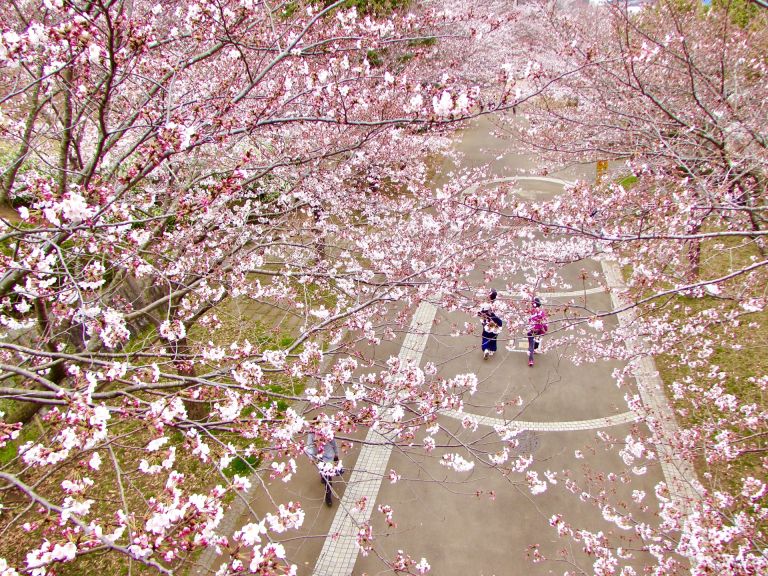
EXCLUSIVE WAYS TO SEE BLOSSOMS THAT MOST TRAVELERS NEVER CONSIDER
EXCLUSIVE WAYS TO SEE BLOSSOMS THAT MOST TRAVELERS NEVER CONSIDER
If you want sakura that feels personal, change the angle, not just the location. Water, air, and after-hours access can turn a familiar city into something private and hushed. These options also pair well with a luxury travel style because they reward careful timing, comfort, and the kind of planning All Japan Tours is built for.
Private boat viewing at dusk, when lanterns turn petals into glitter
Rivers, moats, and canals give you a front-row seat with built-in space. Trees often lean toward the water, and the reflections double the color. At dusk, the scene changes again. Lanterns and shoreline lights catch the pale petals, and the surface can look sprinkled with pink glitter.
A private charter is the difference between watching and really settling in. Shared boats move on a fixed route and pace, and the mood can swing fast if one group is loud. With a private boat, you control the rhythm. You can slow down under a heavy canopy, pause near a bridge for photos, or drift in silence when the light turns perfect.
Comfort matters more than people expect on the water in early spring. A good charter keeps you warmer, gives you better seating, and leaves room for a coat, a drink, and a camera without bumping elbows. It also makes photography easier because you can choose your side, your timing, and your distance from other boats.
Because weather calls the shots, plan a backup from the start. Wind can rough up the water, rain can flatten petals, and chilly nights change what feels enjoyable. A strong plan includes a flexible departure time, a reschedule option, and a grounded alternative nearby (a sheltered riverside walk, a tea stop with a view, or an evening illumination you can reach by car).
Helicopter or scenic flight over pink valleys (for a once-in-a-lifetime view)
From the air, cherry blossoms stop feeling like individual trees and start reading like a painted wash across hillsides. Valleys turn soft pink, and river lines cut through like silver thread. It’s a short experience, but it hits hard, the way a single perfect note can fill a room.
Keep this realistic and safety-first. Flight availability depends on weather, visibility, and local rules, and operators will cancel if conditions are not right. That’s a good thing. If you book a flight, treat it as a high-impact bonus, not the only time you’ll see blossoms. The best approach is to schedule it early in your stay when possible, so you still have days on the ground if the skies do not cooperate.
A scenic flight also works better when your expectations are clear. You are not going up for hours. You are going up for a clean, unforgettable perspective, then coming back down to experience petals falling, the scent of spring air, and the quiet detail you only get on foot.
Pairing matters. Plan a grounded viewing later the same day, ideally somewhere calm and close by. After the wide aerial view, a slow walk under the trees feels even richer, like switching from a panoramic photo to a close-up portrait.
After-hours garden viewings and closed-door cultural spaces
Some of the most moving blossom moments happen behind gates, at times most visitors never see. After-hours garden openings, private viewings in cultural spaces, and small group access can turn a famous area into a quiet room. The air feels still, footsteps soften, and you start noticing details, moss in the stone joints, the sound of water, the way petals gather at the edge of a path.
These experiences usually come with strict rules, and that structure protects what you came to enjoy. Expect limited guest counts, set arrival windows, and clear photo guidance. In many places, tripods are not allowed, calls and speaker audio are frowned on, and staff may ask you to keep moving in certain zones. It is not about being difficult. It is about keeping historic gardens and cultural spaces safe, calm, and dignified.
Often, the most luxurious version is also the simplest. A quiet tea moment, a short talk from a host, a measured walk through a lit path, then you leave before the mood breaks. Discretion is part of the price of entry. Speak softly, dress with care, and treat the access like a gift, not a product.
The payoff is the feeling that the garden is breathing again after the day. It is you, the blossoms, and the kind of silence that makes time feel slower.
A top-tier ryokan stay with a private onsen and blossoms in view
A ryokan stay can be the most natural way to make cherry blossom viewing feel exclusive, because you do not have to go anywhere once the light gets good. When your suite faces a garden, and petals drift past your window, the whole trip relaxes. It is the opposite of chasing crowded parks at peak hour.
For true privacy, look for in-room baths (a private onsen or open-air bath on your terrace) and a garden-facing layout. A room with a view sounds simple, but details decide whether it feels special: how close the trees are, whether the view is framed by a fence, and if the seating invites you to linger. Ask about spring conditions too, since some trees bloom earlier than others even on the same property.
Food should match the season. A thoughtful seasonal kaiseki dinner adds rhythm to the day, especially when it highlights spring greens, fresh seafood, and warm dishes that fit cool evenings. You want the kind of meal that makes you linger at the table, then step outside into crisp air and see petals in the lantern light.
Strong staff support is the quiet luxury that ties it together. A great ryokan team can suggest the calmest viewing times nearby, arrange a private car to avoid peak traffic, and point you to lesser-known paths where locals walk at dawn. When blossoms only give you a short window, that kind of guidance feels priceless.
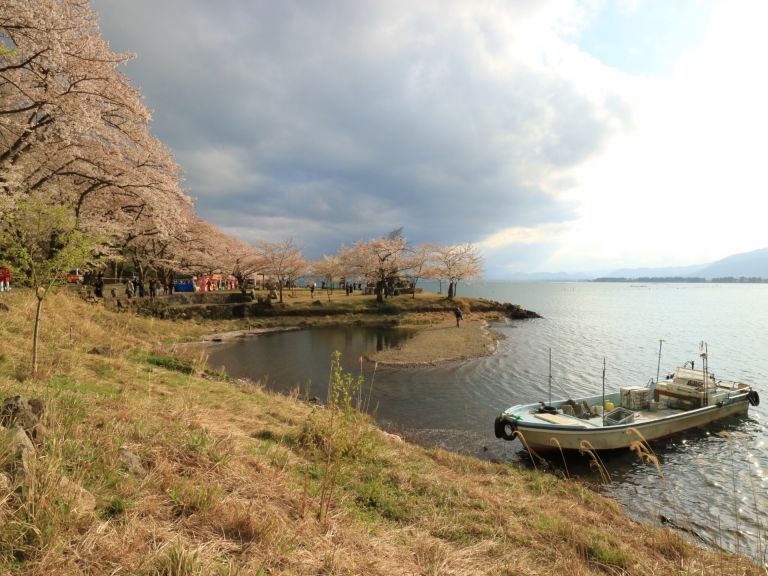
KYOTO AND TOKYO WITHOUT THE CROWDS: LUXURY TACTICS THAT ACTUALLY WORK
KYOTO AND TOKYO WITHOUT THE CROWDS: LUXURY TACTICS THAT ACTUALLY WORK
Cherry blossom season can feel like a magnet for people, cameras, and noise. The truth is you don’t need a “secret spot” to get calm. You need time windows, smart transport, and a plan that respects how cities actually move. In Kyoto and Tokyo, the most reliable luxury move is simple: avoid the peak hour, avoid the hottest stations, and arrive with intention. When All Japan Tours plans this well, the city feels like it’s opening a side door just for you.
Private early-morning temple and garden windows in Kyoto
Sunrise access changes the entire experience because Kyoto hasn’t “turned on” yet. Streets are quiet, buses aren’t packed, and even famous temple grounds can feel like a private courtyard. The blossoms also look different at this hour. Petals read softer, shadows stretch long, and the air carries that clean, cool scent that disappears once midday warms the stone paths.
Early entry works best when it’s truly early, not “before lunch.” Like visiting a gallery before the doors open. You stop rushing, your shoulders drop, and you start noticing the small details, a rake line in gravel, the sound of water in a basin, the way pale pink blooms glow against dark wood.
A few etiquette basics keep the mood intact, and they also help preserve access in places that guard their calm.
Keep voices low. Even a normal conversation carries far in a temple garden at dawn.
Treat photos like you’re in someone’s home. Avoid blocking narrow paths, don’t step into moss or plant beds for an angle, and never point a lens toward private living areas if they’re in view. If staff give guidance, follow it the first time. It’s part of being welcomed.
This style of morning also feels best when it’s paired with comfort, not a scramble. A calm breakfast matters more than people expect, especially in early spring when the air still has bite. A warm set breakfast at your hotel, or a quiet stop arranged nearby, lets you settle in before the day speeds up.
Short transfers are the other secret. Kyoto traffic can thicken fast, and long cross-city moves steal the advantage you earned by waking early. With a private car, you can go from gate to garden to breakfast with minutes, not puzzles, then slip away as the first crowds arrive.
Tokyo’s quieter blossom corners, reached by car, not trains
Tokyo has plenty of blossoms, but most visitors funnel into the same headline spots at the same time. A smarter approach is to aim for neighborhood parks, riverside paths, and older garden spaces that locals use as part of daily life. These places aren’t empty, but they stay human-sized. You can walk at your own pace, stop for a few minutes without feeling in the way, and actually hear birds over the city.
The main advantage is how you move between locations. Trains are efficient, but during sakura season they can be loud, crowded, and time-consuming once you add transfers, stairs, and long station walks. A driver changes the day in a very practical way. You stay warm, you keep your coat and camera with you, and you don’t waste energy watching platform signs.
Car access also opens up a better kind of timing. You can arrive for a short, perfect window, then leave before the swell. That matters in Tokyo, where five minutes can be the difference between a calm stroll and a slow shuffle behind a wall of phones.
Quieter corners often share the same strengths:
- They’re close to residential streets, so the vibe stays relaxed.
- They have long edges, a riverside bend or a garden loop, which gives you space to spread out.
- They offer nearby cafés and calm hotel lounges, so breaks don’t require a cross-town trek.
Comfort becomes part of the viewing, not a separate task. You can keep a light jacket in the car, switch shoes if you want, and take a pause when the light goes flat. This is luxury that actually shows up in your photos and your mood.
The photo advantage: angles, light, and avoiding people in the frame
Crowd-free photos aren’t just about luck. They come from light choices and clean framing, especially in Kyoto and Tokyo where backgrounds can get busy fast. The easiest win is to shoot in golden hour, early morning or late afternoon, when the light turns soft and faces look better, too. Midday sun can make petals look washed out and harsh, like paper in a spotlight.
If you want petals to glow, try gentle backlighting. Put the sun behind the blossoms, then tap to expose for the petals (or slightly underexpose if your phone allows it). The flowers will light up from within, and the background will fall darker. This trick also reduces the need for heavy editing, which keeps the image feeling real.
Angles matter more than gear. A few simple choices can remove people from the frame without asking anyone to move.
- Shoot upward from a low spot so the sky becomes your background.
- Use natural frames like garden gates, stone walls, or tree trunks to block busy edges.
- Wait for the small gaps, then take three quick shots in a row.
Bridges and water help because they create clean lines. From a bridge, you can aim down a river corridor where trees form a canopy, and the path below disappears. On a boat, even a short ride, you’re separated from foot traffic, which means fewer heads and signs in the shot.
If you’re with a driver, use that advantage for photography, not just comfort. Arrive a little earlier than you think you need, park close, and walk in with purpose. When the light hits, you don’t want to be stuck searching for a taxi or scanning train routes.
HOW TO PLAN A RARE LUXURY SAKURA TRIP WITHOUT STRESS
HOW TO PLAN A RARE LUXURY SAKURA TRIP WITHOUT STRESS
A rare luxury cherry blossom trip should feel light on your shoulders. The season is short, the bloom can shift, and popular cities can get noisy fast. Still, you can keep it calm with three things: smart timing, a small set of gear that works, and a plan that stays flexible without feeling vague.
Think of your trip like a well-set table. When the basics are in place, you can relax and enjoy what’s in front of you. With support from a team like All Japan Tours, the details that usually cause stress (tight availability, transport gaps, and last-minute changes) get handled early, so you spend your energy on the view, not the logistics.
Booking timelines that protect your options (rooms, cars, and special access)
Late March to early April is the pressure zone. It’s the period most travelers target, and it overlaps with school breaks and domestic travel. That’s why the best stays disappear first. Top ryokan often have a small number of premium rooms, and the ones with garden views or private open-air baths are usually the first to go. Once they’re booked, “almost as good” can still be lovely, but it won’t feel rare in the same way.
Private drivers sell out early for a simpler reason: supply is limited. A great driver is not just a steering wheel. You’re hiring local knowledge, careful timing, and a calm presence during a busy season. The best teams also book up with repeat guests, guides, and tour operators who reserve dates well ahead.
Special access works on its own calendar. Private garden openings, after-hours entries, and cultural spaces with controlled admission can require advance requests, guest lists, or fixed time slots. These are not the sort of plans you want to chase a week before arrival.
It’s also easy to assume shoulder-season regions will stay open and easy. They can fill fast too, just in a different way. In rural areas, there may be only a handful of high-comfort properties, and fewer cars for hire. Even if crowds are lighter, inventory can be tighter.
If you want the least stress, build your plan around a few anchor bookings:
- A stay you truly love (not just a place to sleep).
- A car and driver on your highest-movement days.
- One or two “special access” moments that set the tone.
Lock those in early, then keep the rest gently adjustable.
A flexible mindset for bloom shifts, with smart backup themes
Even the best plan can’t command the bloom. A warm spell can speed things up, and a cold snap can hold buds closed longer than expected. Wind and rain can also shorten peak bloom. This sounds stressful until you accept one truth: flexibility doesn’t mean settling. It means having backup experiences that still feel rare and deeply Japanese.
When blossoms shift, aim for themes that carry the same feeling as sakura, beauty, seasonality, and a sense of place. Plum blossoms are an easy example. They often bloom earlier, and they can feel more intimate, with a soft scent that lingers in the air. Many gardens and temple grounds that feature ume have a quieter tone, which suits luxury travel well.
Japanese gardens are another steady choice. Even when cherry trees are not at peak, a well-kept garden still offers structure and calm. Moss, stone, water, and early spring greens photograph beautifully in gentle weather. If you plan a private or early time window, the experience can feel like the garden is holding its breath for you.
Art and architecture work well as a backup because they don’t depend on temperature swings. If your trip includes the Seto Inland Sea area, art islands can deliver that same sense of wonder, open sky, sea air, and strong design. The mood stays special, even if the petals are not perfect.
Tea is a quiet reset button on any day. A careful tea experience slows your pace and brings you back to the point of the trip, noticing small details. The same goes for onsen time. A soak in mineral water, followed by a seasonal meal, can turn a “weather problem” into a highlight.
Food is the most reliable backup theme of all. Spring ingredients show up even when blossoms are shy. A great kaiseki meal, excellent sushi, or a local specialty in a small dining room can anchor the day and make it feel complete.
The goal is simple: you want options that protect your mood. When plans change, you don’t scramble. You pivot to something beautiful, warm, and memorable, then try for blossoms again when the timing is right.
CONCLUSION
CONCLUSION
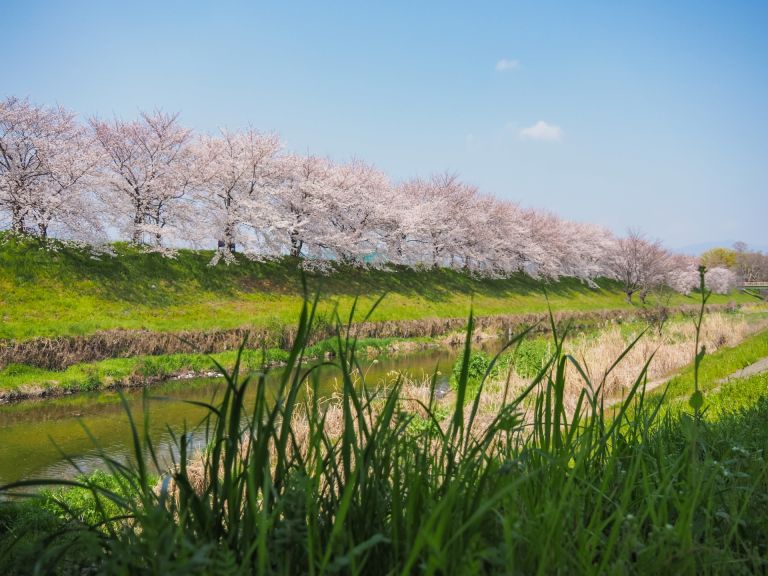
Rare luxury cherry blossom viewing experiences in Japan don’t come from chasing the most famous park at the busiest hour. They come from access that’s arranged with respect, timing that follows microclimates, and a real care for the places that make sakura feel sacred. A private boat at dusk, a closed-door garden at dawn, a ryokan where petals drift past your bath, these moments feel quiet because they’re planned to stay quiet. That kind of calm is the true privacy people remember.
For the richest trip, pair one remote region with one classic city. Choose a place like Alpine Japan, Shikoku, the Kii Peninsula, or late-bloom Hokkaido to stretch the season and breathe. Then add Kyoto or Tokyo with early-morning entry windows and car-based routing that keeps you out of the crush. Protect it all with early bookings for standout rooms, private drivers, and any limited-entry viewings, then keep your schedule flexible enough to follow the bloom, not fight it.
If you want sakura that feels personal, reach out to All Japan Tours. With curated access and thoughtful logistics, the season stops feeling like a race, and starts feeling like Japan is letting you in, one quiet gate at a time.