- Our California office it's now
- 12:59 PM(Fri) - We Are Open
- Tel: 1-909-988-8885 Toll free : 1-855-325-2726 (USA & CANADA)
- info@alljapantours.comFollow Us :


- Monday to Friday 8:30AM - 5:30PM (PST) Saturday 8:30AM - 3:00PM (PST)
- CONTACT US
LUXURY JAPAN GUIDE TO HIGH END RESTAURANTS IN TOKYO (2026)
Article | May Hamamoto
Share to friends
Tokyo rewards anyone who loves a beautiful meal, especially if you enjoy high-end restaurants with real personality. The city has more Michelin-starred dining than almost anywhere, yet the most memorable nights aren't only about stars, they're about craft, warmth, and rhythm.
In this guide, "high end" means serious skill in the kitchen, top ingredients (often seasonal and local), polished service, a setting that feels special, and sometimes the simple fact that getting a seat takes planning. That can look like an eight-seat sushi counter, a quiet kaiseki room, or a tasting menu that plays with texture and smoke.
You'll see names you already know, like Sukiyabashi Jiro, Narisawa, Den, and Ryugin, but the point isn't to repeat the usual list. Instead, expect a wider mix of classic icons, chef-led newcomers, and understated favorites that still feel like luxury in Japan, especially when your trip is built around comfort, timing, and access.
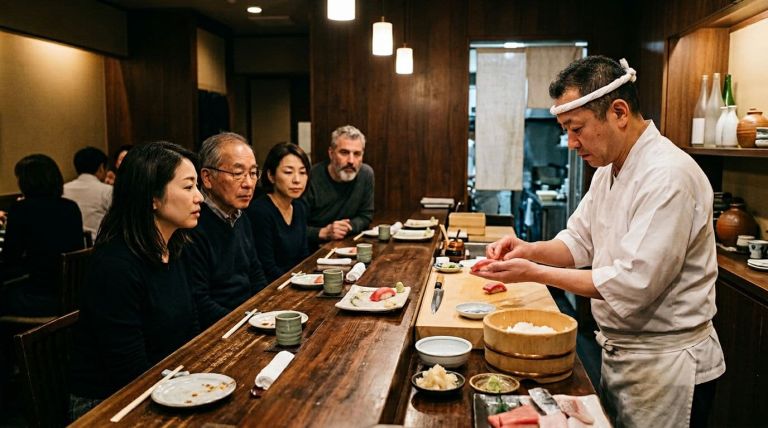
WHAT MAKES A RESTAURANT
In Tokyo, "high end" isn't just about a famous name or a dressy room. It's the feeling that every detail has a purpose, from the temperature of the rice to the timing of tea. You're paying for focus: a chef's years of repetition, a tiny team that remembers your pace, and ingredients chosen at peak season.
This also explains why luxury in Japan can feel quieter than you expect. Instead of big theatrics, the experience often centers on restraint, precision, and respect for the craft. Once you know the formats and the unspoken etiquette, it gets easy to relax and enjoy it.
Omakase, kaiseki, and tasting menus without the confusion
If you book high-end restaurants in Tokyo, you'll keep seeing three formats. They can look similar on a reservation page, but they feel very different at the table.
Omakase means "I'll leave it to you." It's most common at sushi counters, and the chef chooses each piece based on the day's fish and your eating speed. A clear example: you sit at an 8-seat counter, and the chef serves one nigiri at a time, placing it directly in front of you. Pacing is quick and steady, often 15 to 25 pieces or small bites over 60 to 120 minutes. You can usually request small tweaks (for example, less wasabi), but you generally can't swap core items without breaking the flow.
Kaiseki is a traditional multi-course meal built around seasonality, balance, and texture. A clear example: you start with a delicate appetizer, move to sashimi, then a simmered dish, a grilled course, and a gentle finish like rice and miso soup. Expect 8 to 12 courses over 90 to 150 minutes, often in a calm private room or a quiet counter setting. Changes are limited because each course is planned like a sequence in music. When you remove one note, the whole piece shifts.
Tasting menus (often French-Japanese, modern Japanese, or creative chef's tables) follow a similar multi-course structure but with more room for technique and global ingredients. A clear example: a progression of small plates where one course uses dashi, the next uses charcoal, and dessert might feature Japanese citrus. Typical pacing is 8 to 15 courses over 2 to 3 hours. Some restaurants can adjust one or two courses, but substitutions still depend on prep and staffing.
Dietary note: If you have allergies, share them early and in writing. Still, strict changes can be hard at small counters because the chef preps a fixed set of ingredients, works in a tight space, and serves everyone in sync. Vegan, severe gluten-free, and no-seafood requests can be especially difficult at classic sushi or kaiseki spots.
If your meal is "chef's choice," the real luxury is trust. The best nights happen when you let the chef lead.
The quiet "rules" that shape the experience
Tokyo fine dining runs on timing and consideration. These aren't harsh rules, but they protect the mood for everyone in the room.
First, punctuality matters. Many counters start as a group, like a small performance. Arriving late can mean missed courses, and it can disrupt the chef's rhythm. If you're on a luxury Japan itinerary with a private car, build in buffer time for traffic and hotel pickup.
Next, go easy on fragrance. Strong perfume or cologne can overpower subtle aromas, especially at sushi and kaiseki. A helpful mental image: you're not just tasting with your mouth, you're tasting with the air.
Photos also come with etiquette. Some restaurants welcome quick shots, while others ask for none, especially of the chef or the prep area. If you want a safe approach, take one fast photo of your plate and then put the phone away. Always follow staff guidance without debate.
Keep conversation volume low, particularly at counters. At the chef's counter, you're sitting in the front row. You can watch knife work, hear the sear of a grill, and catch small explanations. Loud talk breaks that sense of focus, and it can bother neighbors who booked the counter for the same reason you did.
Finally, tipping: Japan generally doesn't use tips, and some places will politely refuse. Instead, you may see a service charge (often labeled as a service fee) or a set course price that already includes hospitality.
Price ranges, value, and what you're really paying for
Tokyo's high-end pricing makes more sense once you separate food cost from craft cost. You're paying for rare ingredients, yes, but also for small seating counts, long apprenticeships, and a team that executes with near-zero waste.
Here are realistic ranges you'll see in 2026 for high-end restaurants in Tokyo. Prices vary by reputation, ingredients, and season.
| Style | Typical Lunch | Typical Dinner |
|---|---|---|
| Sushi counter (omakase) | ¥10,000 to ¥25,000 (about $65 to $165) | ¥25,000 to ¥60,000+ (about $165 to $400+) |
| Kaiseki | ¥12,000 to ¥25,000 (about $80 to $165) | ¥25,000 to ¥60,000+ (about $165 to $400+) |
| French-Japanese tasting menu | ¥8,000 to ¥20,000 (about $55 to $130) | ¥20,000 to ¥45,000+ (about $130 to $300+) |
| Steak / teppanyaki | ¥8,000 to ¥18,000 (about $55 to $120) | ¥18,000 to ¥40,000+ (about $120 to $265+) |
Lunch can be the best value because kitchens often offer shorter menus, slightly simpler luxury ingredients, and the same level of technique. You still get the room, the service, and the chef's point of view, just in a tighter package. For many luxury Japan travelers, this is the sweet spot: a memorable meal without sacrificing the rest of the day.
Pairings are where bills jump fast. A sake pairing often runs ¥6,000 to ¥15,000 (about $40 to $100) per person, while a wine pairing commonly lands at ¥10,000 to ¥30,000+ (about $65 to $200+). Add two pairings to a dinner for two, and it can double the total before you notice. If you want balance, consider ordering by the glass, or pick one pairing to share and add a single special pour.
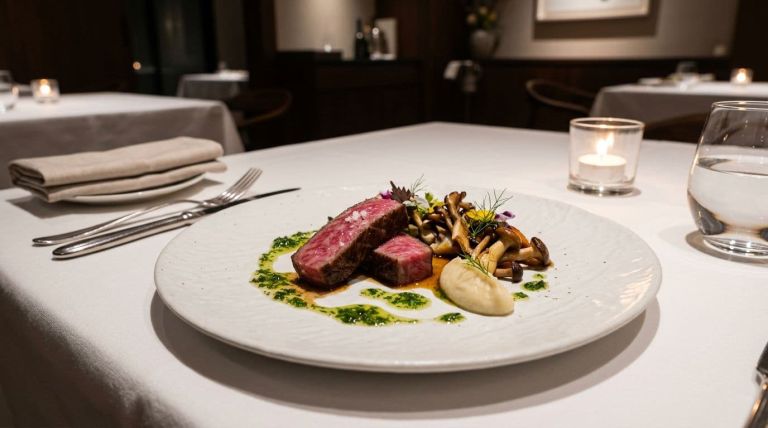
THE TOKYO NEIGHBORHOODS WHERE LUXURY DINING SHINES
Tokyo's luxury dining scene isn't concentrated in one glittering strip. It's spread across neighborhoods with different moods, like distinct theaters staging the same high-skill performance. Pick the right district, and your night gets easier: shorter transfers, better pacing, and the kind of calm that suits a luxury Japan itinerary.
Below are four areas that consistently deliver when you want high-end restaurants without wasting time zigzagging across the city.
Ginza for polished classics and legendary sushi counters
Ginza feels like Tokyo dressed for a night out. The streets are neat, the pacing is unhurried, and the storefronts look polished without shouting. You'll also notice how close you are to major department stores, which makes pre-dinner shopping and post-dinner strolls feel natural.
This is why Ginza stays a hub for sushi, tempura, and upscale kaiseki. The chefs here often build careers on repetition and restraint. Rice temperature, knife angle, and timing all matter, and the neighborhood's tone matches that focus. Service is smooth and quiet, which helps you settle in fast.
Don't expect a big sign pointing you to the door. Many famous counters sit inside office-style buildings with minimal signage, sometimes just a small plaque or a name by an elevator. It can feel like finding a hidden listening bar, except the soundtrack is the soft tap of a knife on wood.
A quick way to enjoy Ginza like a regular:
- Arrive early so you can find the building without rushing.
- Keep fragrance light, because sushi aromas are part of the experience.
- Choose Ginza when you want tradition, not theatrics.
In Ginza, the luxury is the silence between courses, everything runs on purpose.
Aoyama, Omotesando, and Harajuku for modern tasting menus
Aoyama, Omotesando, and Harajuku bring a different kind of confidence. The streets feel style-aware, and the dining rooms often echo that with clean lines, artful lighting, and tableware chosen like jewelry. You come here when you want the meal to feel current, even if the techniques are deeply Japanese.
These neighborhoods fit travelers who like chef-driven concepts and creative plating. The best spots treat a tasting menu like a short film. Each course changes the scene, while the pacing stays crisp. You might see Japanese seasonal produce framed with French method, or a classic broth presented in a new shape. It still reads as luxury, just with more personality in the room.
The pace also feels livelier than Ginza. Besides, these areas pair well with an afternoon of galleries, boutiques, and architecture walks. For a private luxury Japan tour, it's an easy win because you can build a full day around the neighborhood without long transfers.
If you want to match the area's vibe, keep these choices in mind:
- Go for a tasting menu with pairings if you enjoy a guided story at the table.
- Book earlier seatings when you want energy but not noise.
- Dress smart-casual (think sharp, comfortable, photo-ready).
Roppongi and Akasaka for hotel dining, wine lists, and late-night ease
Roppongi and Akasaka make luxury dining feel simple, especially after a long sightseeing day. This part of Tokyo has a strong cluster of luxury hotels, plus embassies and international businesses. As a result, restaurant teams here often feel comfortable with overseas guests and English-friendly service.
The real advantage is convenience without compromise. You can find excellent counters and tasting menus, but you'll also see hotel dining rooms with serious wine programs. If your idea of a perfect night includes a sommelier who can talk Burgundy, Champagne, or top Japanese producers in plain language, this area delivers.
Late-night logistics matter, too. After dinner, taxis are easy to grab, and hotel concierge teams can coordinate bookings and timing. For travelers on a luxury Japan trip, that means fewer moving parts. You can focus on the meal, then get back to your suite without turning the return into a project.
This is the district to choose when you want:
- Strong wine lists and polished bar service
- Comfortable pacing for longer dinners
- Easy taxi access after dessert
Nihonbashi and Marunouchi for business-grade excellence near top hotels
Nihonbashi and Marunouchi shine when you want high-end restaurants that run like a well-timed train. Streets feel calmer, and evenings can be surprisingly quiet once offices empty out. Because these areas sit close to major stations and top hotels, transfers stay short and predictable, which is gold on a private luxury Japan tour schedule.
What you get here is business-grade excellence. Service teams are trained, reservations are handled cleanly, and the room rarely feels chaotic. Many dining options sit inside upscale complexes, where standards stay high across the board, from the greeting at the door to how coats are handled.
The food styles vary, but the common thread is consistency. If you're booking for a celebration, client dinner, or a once-a-trip splurge where you don't want surprises, this is a smart map pin. It's luxury that feels steady, like a perfectly pressed suit.
One practical tip: plan these neighborhoods for nights when you want to keep things smooth, especially if you have an early start the next morning.
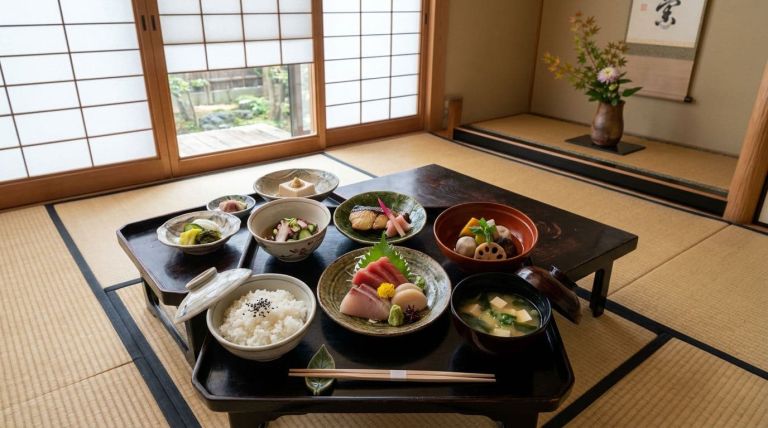
HIGH END RESTAURANTS IN TOKYO WORTH KNOWING, FROM MICHELIN STARS TO CULT FAVORITES
Tokyo's best luxury meals come in a few distinct "languages", sushi counters, kaiseki, modern Japanese tasting menus, and European fine dining tuned to Japan-level precision. The trick is matching the restaurant's rhythm to your night. Do you want quiet focus and fast bites, or a long story told in small bowls?
Below are standout names worth knowing, plus the small details that help you choose well (and book smart) on a private luxury Japan tour.
Sushi omakase icons, and how to pick the right counter
Some counters are famous for a reason, but each one "speaks" differently. Sukiyabashi Jiro is the icon, however it comes with a reality check. Expect strict pacing, minimal conversation, and very high expectations. Availability is limited, and it's not built for customization or a slow, chatty night.
If you want the Jiro lineage with a different access point, Sukiyabashi Jiro Roppongi Hills is a related option many travelers consider when Ginza is out of reach. For the truly elite tier, Sushi Saito sits in the "hard to book" category. It's admired for relentless consistency, but getting a seat often depends on connections and timing.
For Michelin-starred sushi with a refined, serious mood, Sushi Yoshitake is a strong reference point. Meanwhile, Sushi Tokami has a loyal following for maguro-focused courses, especially if you love tuna in multiple expressions.
When choosing, think about these counter variables, because they change the whole meal:
- Rice and seasoning: Some chefs go warmer and sharper, others softer and sweeter.
- Temperature control: Nigiri can arrive slightly warm, almost like it's alive.
- Pace: A brisk "one bite, one moment" flow, or a calmer tempo with pauses.
- Conversation: Some counters explain each piece, others keep silence as part of the craft.
A Japan focused tour planner can matter more than you think. The best ones know which counters welcome overseas guests, how strict the seating time is, and what reservation channels actually work. They also help with small details, allergies, celebration notes, and transport buffers, so you arrive calm instead of rushed.
Kaiseki and seasonal Japanese fine dining for a once-in-a-lifetime night
Kaiseki is luxury in Japan in its purest form: seasonal ingredients, calm pacing, and a feeling that every course has a reason to exist. Kikunoi Akasaka brings Kyoto-rooted refinement into Tokyo, with elegant broths and pristine timing that makes the meal feel like a guided ceremony.
For a restaurant many serious diners talk about in the same breath as the city's best, Ishikawa (in Kagurazaka) is a name to know. It's the sort of place where the quiet room, the knife work, and the last bowl of rice all carry equal weight.
If you want a high-end kaiseki-style night that's often easier to access, Nadaman (with locations in major hotels) can be a smart pick on a private tour itinerary. The experience still reads as special, plus logistics are simpler. If you consider Kohaku, plan early because reservations can be difficult.
Drink choices can elevate the whole arc. A sake pairing matches well with dashi, grilled fish, and subtle citrus, while a single serious bottle works if you prefer a steadier pace. After dessert, lean into the tradition and take the tea course seriously, it's the soft landing that completes the night.
Kaiseki feels like a seasonal gallery. You don't rush through art, and you don't rush through these bowls.
Modern Japanese tasting menus that feel playful but still high end
If you like curiosity on the plate, modern tasting menus are where Tokyo gets fun without losing polish. Den is known for creative courses and genuine warmth. It's high end, yet it doesn't feel stiff, which makes it great for couples who want to laugh a little between bites.
Narisawa is nature-driven fine dining, widely awarded and Michelin-starred. The cooking often highlights Japanese forests, waters, and seasons, with a calm seriousness that still surprises you. For a strong following and a modern counter-style experience, Florilège brings an intimate vibe that suits celebrations and food-focused travelers.
Compared to kaiseki, these meals usually feel more open and expressive. You'll see more global technique, bolder contrasts, and a dining room that invites conversation, not silence.
French and Italian fine dining with Tokyo-level precision
Tokyo's European fine dining can feel extra sharp because the city obsesses over ingredients, service training, and consistency. L'Effervescence offers Michelin-starred calm luxury, with a dining room that feels thoughtful instead of flashy. It's a strong choice when you want elegance and ease in the same night.
For French technique filtered through Japanese ingredients, Quintessence is a classic name, and reservations can be a challenge. Planning early pays off, especially if you're coordinating a luxury Japan itinerary with fixed hotel nights.
If you want opulence and a "special occasion" mood that's easy to understand, Joël Robuchon (Ebisu) delivers classic French in a grand setting. Think white tablecloth comfort, serious sauces, and a staff that keeps everything on track, even when your day ran long.
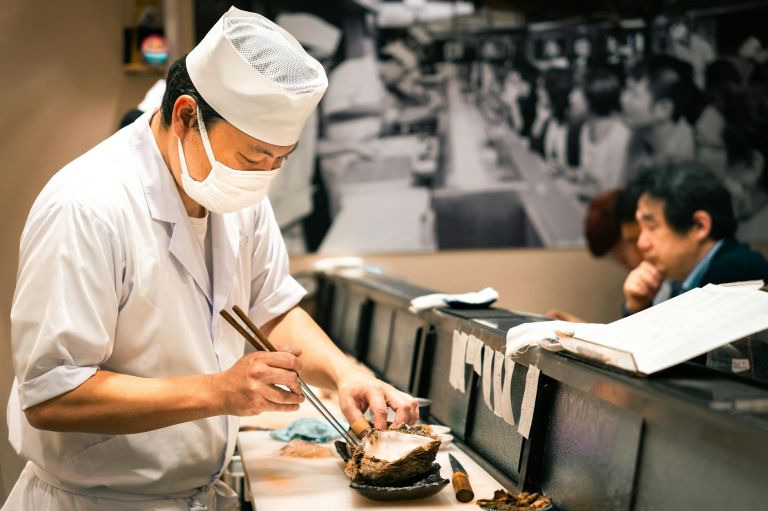
RESERVATIONS, DRESS, AND DINING ETIQUETTE THAT PROTECT YOUR BUDGET AND YOUR NIGHT
High-end dining in Tokyo can feel effortless, but only if you play by the room's rules. In luxury Japan restaurants, the "rules" aren't about being stiff. They protect the chef's timing, your seat, and your bill. Get reservations right, arrive on time, and dress with care, then the night flows.
How reservations work now, and the easiest ways to book
In 2026, Tokyo's best tables often move through trusted channels first. Some top counters still prioritize regulars, referrals, and long-term relationships. That doesn't mean you're locked out. It means you should book in a way that matches how the restaurant prefers to work.
Common ways to book luxury restaurants in Japan now include:
- Hotel concierge: Best when you're staying at a strong luxury property, especially for difficult bookings and special requests.
- Luxury private tour planner: Similar to concierge support, but useful when your trip runs on a tight schedule or you want someone to handle backups.
- TableCheck: Widely used in Japan for fine dining, with clear policies and prepaid options at some restaurants.
- Omakase: Popular for sushi and chef's counters, often with deposit or prepay systems.
- Pocket Concierge: Helpful for high-end restaurants, with English-friendly booking and upfront clarity on rules.
- Direct phone: Still common, and often Japanese-language. Some places respond faster by phone than email.
Here's a simple decision tree to keep stress (and wasted time) low. If you want the hardest seats (the tiny counters, the "regulars first" rooms), start with a hotel concierge or a luxury Japan tour planner, because they can communicate smoothly and propose dates that work. If you want a spectacular meal with fewer moving parts, book through reputable platforms like TableCheck, Omakase, or Pocket Concierge, or choose top hotel restaurants, where service is polished and access is easier.
Also, don't underestimate "Plan B." A great Tokyo night is like great sushi rice, it needs structure. Ask your concierge to hold a second option nearby, especially on celebration nights.
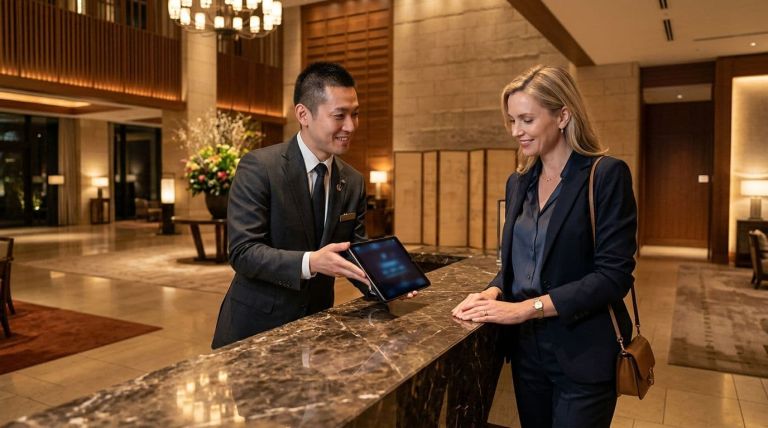
Cancellation fees, arrival time, and why being late can end the meal
Luxury dining in Tokyo runs on precision, because the kitchen preps for a fixed number of guests. At counters and kaiseki rooms, the chef often plans portions and timing down to the minute. If someone cancels late, the restaurant can't just "resell" that seat like a big dining room might.
That's why policies can feel strict. You'll commonly see:
- Prepayment for the full course, especially on booking platforms.
- Deposits charged per person, then applied to the bill.
- Cancellation fees that scale with time, for example partial fees a few days out, then 100% within 24 to 48 hours.
- No-show equals full charge, almost always.
Arrival time matters just as much as money. Many counters start all guests together, like a short performance. If you're late, you might miss courses that can't be replayed. In some places, late arrival can mean the meal ends early or the restaurant refuses entry, because they must keep service in sync for everyone.
Tokyo makes punctuality easier than most cities. Trains run on time, and routes are predictable. Build a buffer anyway, because elevators, building entrances, and wrong turns happen.
To protect your budget, set these habits before you travel:
1. Lock the headcount early, then avoid last-minute swaps for groups.
2. Use one point person for all reservation changes, ideally your concierge or tour planner.
3. Save screenshots of booking terms and confirmation times, so there's no confusion later.
Treat your reservation like theater tickets. Once the curtain goes up, the show keeps moving.
What to wear, what to avoid, and small etiquette details that matter
Dress codes in Tokyo luxury restaurants often sit in the "quiet expectations" category. Most places land on smart casual, but some dining rooms, especially high-end French, private rooms, and classic hotel fine dining, prefer jackets for men. When in doubt, pack a light jacket. It's an easy upgrade, and it keeps you from feeling underdressed.
A few practical rules keep you comfortable and respectful:
- Avoid strong perfume or cologne. Sushi and kaiseki rely on delicate aroma, and fragrance can drown it out.
- Keep your phone off the table. Put it in a bag or pocket, so the counter feels calm.
- Ask before taking photos, especially of the chef, the counter, or other guests. A quick plate photo is often fine, but always follow staff direction.
- Mind your shoes if you're in a tatami room or a private room with a raised floor. Clean socks and easy-to-remove footwear help.
Tattoo concerns usually matter more at spas, pools, and some onsen than at restaurants. In dining rooms, staff rarely make it an issue. Still, if you booked a traditional private room and you want zero awkwardness, choose clothing that covers larger tattoos.
Think of etiquette as small stones that keep the path smooth. You don't notice them when they're in place. You definitely notice when they're missing.
CONCLUSION
Tokyo's high-end restaurants reward clear choices. Start with the meal style that fits your night, a focused sushi omakase counter, a calm, seasonal kaiseki, or a modern tasting menu with more conversation and contrast. Then match it to the right neighborhood mood, Ginza for polished classics, Aoyama and Omotesando for contemporary rooms, Roppongi and Akasaka for hotel comfort and strong wine service, or Nihonbashi and Marunouchi for steady, business-grade precision.
Next, set your guardrails early. Budget for the course plus pairings, because drinks can change the total fast. Also plan for booking difficulty, since the smallest counters often run on regulars, strict start times, and firm cancellation terms. Most importantly, commit to timing, because punctuality protects the chef's flow and your experience.
For the best balance on a Luxury Japan trip, pair one classic night (sushi or kaiseki) with one modern tasting menu. You'll feel tradition and creativity without repeating the same rhythm twice.
If you want the best tables with less stress, plan ahead with your private tour team, and keep a flexible backup option nearby so the night stays relaxed even if plans change.