- Our California office it's now
- 12:59 PM(Fri) - We Are Open
- Tel: 1-909-988-8885 Toll free : 1-855-325-2726 (USA & CANADA)
- info@alljapantours.comFollow Us :


- Monday to Friday 8:30AM - 5:30PM (PST) Saturday 8:30AM - 3:00PM (PST)
- CONTACT US
DESSERT IN JAPAN (WAGASHI, CAFES, CHOCOLATE, AND SEASONAL TREATS)
Article | May Hamamoto
Share to friends
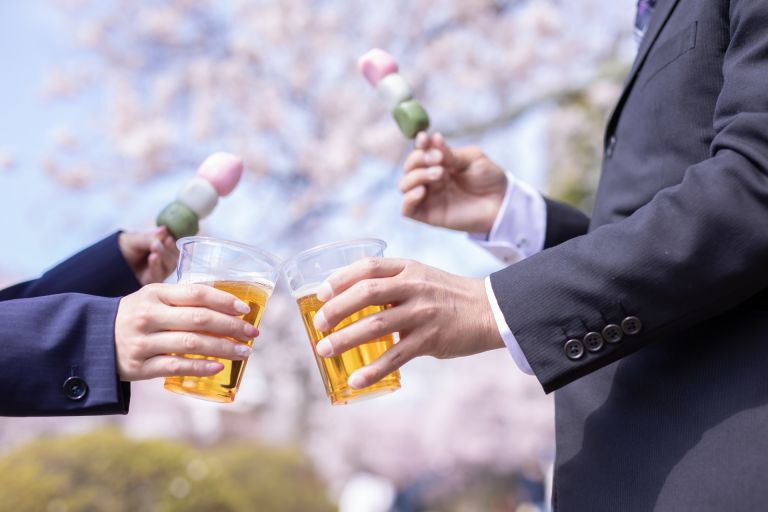
Dango in Japan
Steam rises from a warm taiyaki as you walk a winter street, and the first bite tastes like comfort. Later, in Kyoto, a neat tray of matcha sweets turns a quiet break into a small ritual. Dessert in Japan is often simple at first glance, but it’s full of meaning.
It can mean old temple treats made for tea, glossy cakes in stylish cafés, rich chocolate gifts, or cute convenience-store puddings you grab between train stops. Some sweets are tied to the seasons, others show up at festivals, and plenty are just part of an everyday snack run.
This guide gives you a quick history of Japanese desserts, plus what classic flavors like red bean, yuzu, black sesame, and matcha are really about. You’ll also see how sweets fit into holidays and daily life, from New Year’s mochi to spring sakura treats.
If you’re planning a Japan trip, you’ll find practical ideas on where to try the famous dessert favorites and where to look for quieter local spots, from Japanese department store basements to neighborhood bakeries and small tea shops.
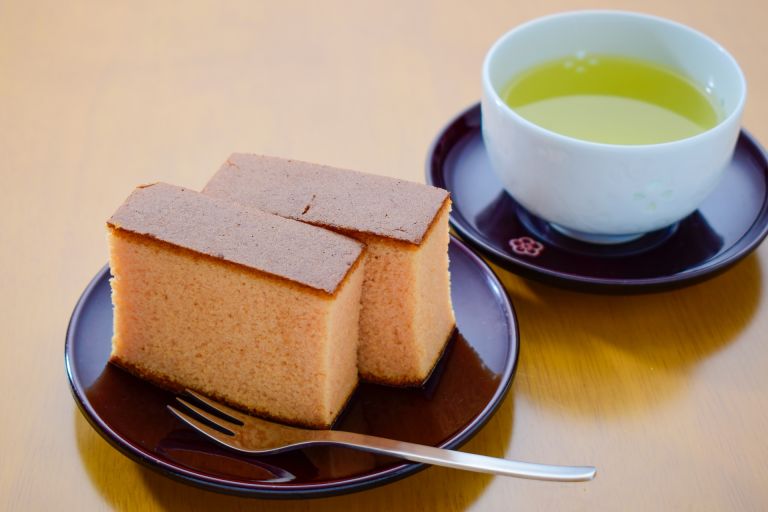
spongey yellow Castella cake is famous in Japan
HOW JAPANESE DESSERTS BECAME WHAT THEY ARE TODAY
HOW JAPANESE DESSERTS BECAME WHAT THEY ARE TODAY
Dessert in Japan didn’t become famous because it’s flashy. It became memorable because sweets are tied to moments, like a tea break, a festival, a train ride, or the first warm day of spring. Over time, Japan blended old tea-sweet traditions with new baking methods, café habits, and a strong gift culture, and the result is the mix you see today.
Wagashi and tea culture, sweets made to match the season
Wagashi are traditional Japanese sweets, and they’re often served with tea, especially matcha. The pairing makes sense: many wagashi taste gently sweet, so they balance tea’s bitterness like a calm, steady counterpoint. If you’ve ever had a bite of sweet bean paste and then sipped hot tea, you know how clean and satisfying the finish can feel.
Seasonality sits at the center of wagashi. These sweets are meant to mark time, almost like edible postcards from the month you’re in. You’ll see the seasons show up both in flavor and in the way the sweets look.
- Spring often brings cherry blossom themes (sakura colors, petal shapes, sometimes a light floral note).
- Summer leans toward cool textures, like jelly sweets that feel refreshing in the heat.
- Fall celebrates harvest flavors, with chestnut showing up in pastes and fillings.
- Winter brings comfort, and red bean becomes even more common in warm, filling treats.
Many classic wagashi rely on a short list of core ingredients, used in different ways: anko (sweet red bean paste), mochi (pounded rice), rice flour, and agar (a plant-based gelling agent). The magic is in the technique. A soft mochi skin can hide a smooth anko center. A firm agar jelly can hold a clear, jewel-like shape.
Looks matter too, and not in a superficial way. Shapes and colors connect to nature, local plants, and regional identity. A maple leaf sweet in Kyoto, a chestnut-shaped treat in a mountain town, or a subtle sakura tint in spring can signal where you are and what time of year it is. It’s a small kind of pride, made edible.
Western-style desserts arrive, cakes and custards become everyday treats
From the Meiji era onward, Japan opened up to more Western influences, and sweets changed fast. Bakeries grew in cities, ovens became more common, and new desserts showed up that relied on eggs, milk, butter, and cream. Sponge cake, custards, and cream-filled pastries didn’t replace wagashi, they added a new lane that fit modern daily life.
One of the best-known early examples is castella, a sponge cake linked to Portuguese influence, especially in Nagasaki. Today, you’ll still see castella sold in neat boxes, often cut into perfect rectangles. It’s simple, but it’s also a clue to a bigger pattern: Japan tends to take outside ideas and make them feel local. Many Japanese versions of Western-style desserts come across as lighter and less sweet, with a clean finish that suits Japanese tea and coffee culture.
As cafés became part of everyday routines, desserts became something you could enjoy any day, not just on a special occasion. In Tokyo and Osaka, it’s normal to see bakeries and cafés offering shortcake, cream puffs, pudding, and roll cakes next to seasonal items. That mix is part of what makes dessert in japan so fun for travelers. You can chase famous classics, or you can pop into a neighborhood spot and find something quietly excellent.
Chocolate in Japan, from gift culture to wild seasonal flavors
Chocolate is a major part of dessert in japan today, and it goes far beyond a basic candy bar. One reason is Japan’s strong gift culture. Chocolate fits perfectly because it’s easy to wrap, easy to share at work or with friends, and it still feels a little special.
Another reason is the love of limited releases. Japan has become known for limited-edition chocolate and regional flavors, so even familiar brands can feel new when you’re traveling. You’ll spot chocolate with flavors like matcha, yuzu, sakura, and kinako (roasted soybean powder), plus seasonal packaging that changes throughout the year.
Some of the best travel moments happen in places you’d normally rush through. Department store basements (depachika) often have polished chocolate counters with beautiful boxes and sample trays. Train station kiosks are the opposite, quick and casual, but still packed with interesting seasonal bars and regional treats. It’s the same idea in two styles: chocolate as a small souvenir, or chocolate as a daily snack.
For people who want a deeper taste, Japan also has a growing number of bean-to-bar makers and specialty shops focused on cacao quality and careful roasting. The vibe is less about loud sweetness and more about flavor notes, texture, and balance, which fits right in with the way many Japanese desserts are built.
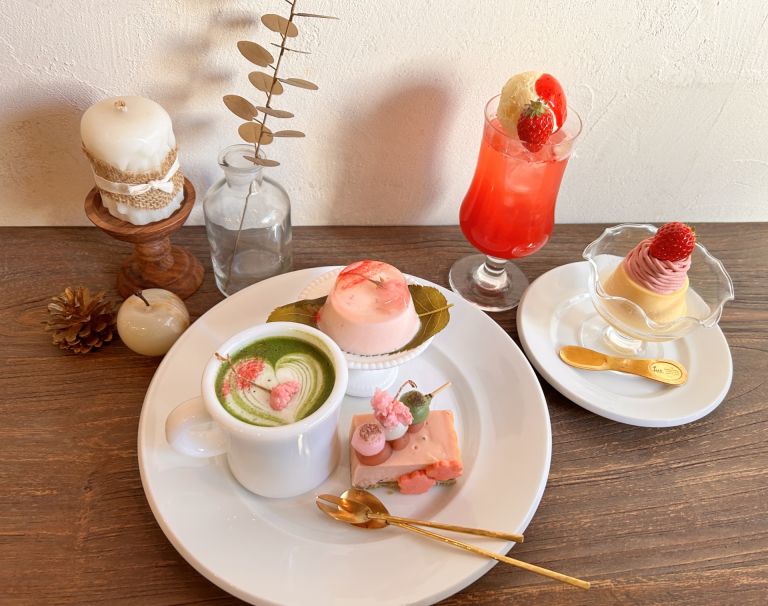
themed desserts in japan
TRADITION AND MEANING, WHY DESSERT IN JAPAN FEELS SO PERSONAL
TRADITION AND MEANING, WHY DESSERT IN JAPAN FEELS SO PERSONAL
In Japan, dessert often carries a message. Sometimes it says, “welcome,” other times it says, “I thought of you,” and plenty of times it simply says, “take a quiet break.” You’ll notice it in the careful shapes of wagashi, the seasonal flavors that come and go quickly, and the way people buy sweets to share, not just to snack.
If you love to travel by taste, this is part of what makes dessert in japan feel memorable. It’s not only about what’s good, it’s about when you eat it, where you bought it, and who you’re eating it with.
Seasonal sweets and local pride, eating with the calendar
Japan eats with the calendar in a way that’s easy to spot once you know what to look for. Shops rotate flavors and designs so often that a sweet can feel like a limited-time postcard. Miss it by a few weeks, and it’s gone.
In early spring, you’ll see sakura sweets everywhere, from pale pink mochi to cherry blossom jelly and sakura-flavored cookies. Summer often shifts toward cooler textures, like jellies and shaved ice-inspired flavors. When fall hits, the tone changes to harvest comfort, with sweet potato and chestnut showing up in cakes, tarts, and wagashi fillings. Winter leans cozy again, with richer textures and warm snacks, like freshly grilled treats filled with anko.
For travelers, this means you can plan dessert stops by season, the same way you might plan foliage or flower viewing. A simple approach works well: pick one “must-try” sweet for each season and build your café and shop list around that.
Local pride matters just as much as the season. Many towns and regions have meibutsu (famous local specialties), and sweets are a classic example. It’s normal to travel, try the local treat, then buy it again to take home as a memory. Think of it like bringing home a small piece of the place, wrapped up and ready to share.
Omiyage culture, why boxed sweets are a love language
Omiyage are souvenir gifts, usually edible, that you bring back after a trip. In plain terms, it’s “I went somewhere, and I brought you something.” The unspoken rule is simple: if you travel, you bring treats back for coworkers, friends, or family, especially if they covered for you at work or helped out while you were away.
That’s why packaging in Japan is so careful and beautiful. It’s not only for looks, it’s practical and polite. Boxes protect delicate sweets during a commute, and individual wrapping makes sharing easy in offices and group settings. You can hand one to each person without needing plates, napkins, or a big explanation.
Common omiyage styles you’ll see again and again include:
- Individually wrapped cakes, often sponge cake or small cream-filled pastries that keep well for a few days
- Cookies and langue de chat-style wafers, sometimes filled with chocolate or regional flavors
-Mochi and manju, boxed in neat rows, sometimes with fruit, matcha, or bean paste centers
Where do people buy them? The convenient spots are also the most tempting: train stations, airports, and department store food halls (depachika). Even if you don’t “need” souvenirs, it’s hard to walk past towers of perfect boxes without picking one up.
Everyday rituals, sweet moments from convenience stores to tea houses
Dessert in Japan isn’t only for special trips or big celebrations. It slides into normal life in small, satisfying ways. A quick pudding after work, a dorayaki with iced coffee, a seasonal parfait on a weekend, or a simple snack on the train, these are everyday treats that still feel cared for.
Convenience stores make this easy. You can grab a chilled cup dessert, a cream puff, or a slice of roll cake in minutes, and it often tastes better than you’d expect for the price. It’s casual, fast, and made for busy days.
Traditional sweet moments move at a different pace. A tea house break asks you to slow down, sit, and notice what’s in front of you.
In a setting like this, the sweet isn’t trying to shout. It’s there to match the tea and set a calm mood. Many Japanese desserts also read as less sugary, with more attention on texture and balance. You taste softness, chew, and smooth paste, then sip tea and feel the flavors reset. It’s a small ritual, but once you notice it, you start seeing these sweet pauses everywhere.
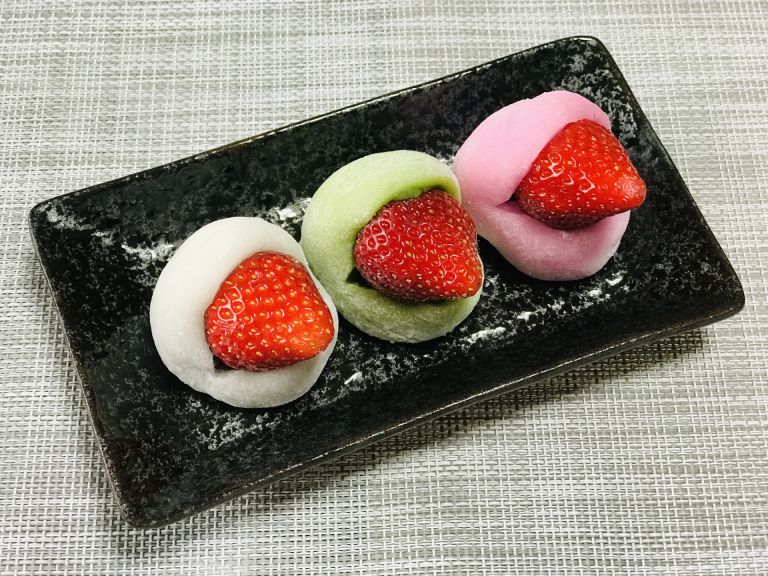
ichigo daifuku - mochi with a sweet filling and fresh strawberry
DESSERTS YOU SHOULD TRY IN JAPAN, CLASSICS AND MODERN FAVORITES
DESSERTS YOU SHOULD TRY IN JAPAN, CLASSICS AND MODERN FAVORITES
If you like to travel by taste, dessert in Japan is a highlight. You can go from a tiny wagashi shop with handmade sweets to a busy station kiosk selling parfaits in a cup. The best part is range: chewy mochi, warm street snacks, airy cakes, and chocolate that’s treated like a seasonal hobby.
Use this as your hit list. Try a few classics first, then follow your curiosity based on what you see locals lining up for.
Must-try wagashi, mochi, dorayaki, and anko-filled comfort sweets
Traditional sweets often look simple, but the textures are the point. You get soft, chewy, smooth, and jelly-like in one afternoon, especially if you sample a little at a time.
Daifuku is a must, a pillowy mochi round with a sweet filling inside, usually anko. It’s soft and stretchy when it’s fresh, and that freshness matters. If you visit in late winter through spring, watch for strawberry daifuku (ichigo daifuku); the juicy fruit cuts through the sweetness and makes the whole thing taste brighter.
If you want something that feels like a familiar snack, go for dorayaki. It’s two small pancakes with anko in the middle, like a sweet sandwich. It travels well, which is why it shows up at stations and convenience stores, but a fresh one from a small shop tastes more tender and honeyed.
Then there’s dango, chewy rice-flour dumplings on a skewer. You’ll see different styles, from plain skewers you dip in sauce to sweet soy glaze (mitarashi) that turns shiny and a little sticky. It’s simple street food energy, but with the calm flavor balance you’ll notice across a lot of Japanese sweets.
For a softer bite, try manju, small steamed buns with filling. Many are anko-based, but you’ll also see seasonal versions (chestnut in fall is a common one). They’re the kind of sweet that pairs well with hot tea when you want something gentle.
If you like a firmer texture, look for yokan, a smooth, sliceable jelly sweet made with bean paste and agar. It’s not flashy, but it’s satisfying and clean tasting, and it’s easy to pack as a small gift.
A quick note on bean paste, because it comes up everywhere: tsubuan has whole or partly mashed beans, while koshian is fully smooth.
A few easy tips that make wagashi more fun:
- Eat mochi fresh when you can; it firms up as it sits.
- Buy small portions (or single pieces) so you can sample more types.
- If a shop offers tea, take it; wagashi tastes better with a few sips between bites.
Street and festival sweets, warm, messy, and unforgettable
Japan’s street sweets shine at matsuri (festivals), shrine visits, and winter strolls when your hands are cold and you want something warm right now. The smells do most of the work, toasted batter, sweet beans, caramelized sugar.
Taiyaki is the classic. It’s a fish-shaped cake cooked in a mold, usually filled with anko. The best ones have a crisp edge and a hot center that can burn your tongue if you rush. Some shops offer custard, chocolate, or even savory fillings, but starting with red bean gives you the traditional experience.
You’ll also see imagawayaki (often called obanyaki depending on the region). Think of it as taiyaki’s round cousin, a thick, griddled cake stuffed with filling. It’s heavier than taiyaki, in a good way, and it’s perfect in winter near train stations or shopping streets.
In summer, make room for kakigori. This is shaved ice, but the texture is the hook: it can be feather-light, like fresh snow, then it melts into syrup and condensed milk. Look for seasonal fruit flavors, matcha, or roasted tea (hojicha). If you find a place that makes its own syrups, even better.
Festival stalls also sell candy-like snacks that feel like childhood, even if you’ve never had them before. You might see glossy fruit coated in hard sugar, chewy rice treats, or colorful sweets in small bags meant for walking around.
One practical heads-up: famous stands can have long lines, especially in tourist-heavy areas. Sometimes that wait is worth it, but don’t ignore the quiet neighborhood spot with two locals eating on the curb. Those are often the happiest surprises, and you’ll spend more time eating than standing.
Japanese-style cakes and cafe desserts, fluffy, creamy, and not too sweet
Cafés are where many travelers fall hardest for dessert in japan. The flavors stay gentle, but the textures feel polished. Japanese sponge cake and whipped cream tend to feel lighter, with a soft bounce and a sweetness that doesn’t coat your mouth.
Start with Japanese strawberry shortcake. It’s a celebration cake that shows up at birthdays and holidays, but you can also buy it by the slice year-round. The sponge is airy, the cream is cloud-like, and the strawberries do a lot of the heavy lifting.
Purin (custard pudding) is another classic, and it shows up everywhere from old cafés to convenience stores. A good purin has a silky center and a bittersweet caramel layer that keeps it from tasting too sugary. It’s an easy order if you want something simple with coffee.
For a fun, casual dessert stop, try crepes, especially in busy shopping areas. They’re often served as handheld cones stuffed with whipped cream, fruit, cheesecake bits, ice cream, or chocolate sauce. It’s messy in the best way, and it turns into a walk-and-snack moment.
If you want a sit-down dessert that feels like an event, go for a parfait. Japanese parfaits often come stacked in tall glasses with fruit, ice cream, jelly, whipped cream, and crunchy toppings. Seasonal fruit versions are worth seeking out, because they taste like the month you’re in.
Café style matters, too. Kissaten (old-school coffee shops) feel cozy and lived-in, and their desserts often lean classic (pancakes, purin, simple cake sets). Modern cafés focus more on presentation, seasonal menus, and photogenic parfaits. Both are worth your time; it just depends on whether you want retro comfort or a stylish sugar break.
Chocolate and sweet snacks, from high-end bonbons to convenience-store hits
Chocolate in Japan covers the full spectrum, from elegant gift boxes to snacks you grab with a drink and eat on the train. If you like browsing, start at department store food halls, where chocolate counters line up like a gallery. You’ll see polished bonbons, truffles, and carefully boxed assortments that are made for gifting.
For something more focused, look for bean-to-bar chocolate shops. These places pay attention to cacao origin and roast, so the chocolate can taste fruity, nutty, or deep and bitter without being harsh. It’s a good stop when you want a grown-up treat that doesn’t feel overly sweet.
Then there’s the everyday fun: convenience stores and supermarkets are packed with seasonal releases and rotating flavors. You’ll find chocolate-coated biscuits, cocoa cookies, filled chocolates, and limited-time collaborations that come and go fast. For souvenirs, the most common pick is matcha KitKat-style treats and other regional flavor packs, since they’re easy to carry and easy to share.
If you’re timing your trip for chocolate, come in winter. Winter and Valentine season bring the biggest selection, with more pop-ups, gift sets, and limited-edition flavors than you’ll see at other times of year.
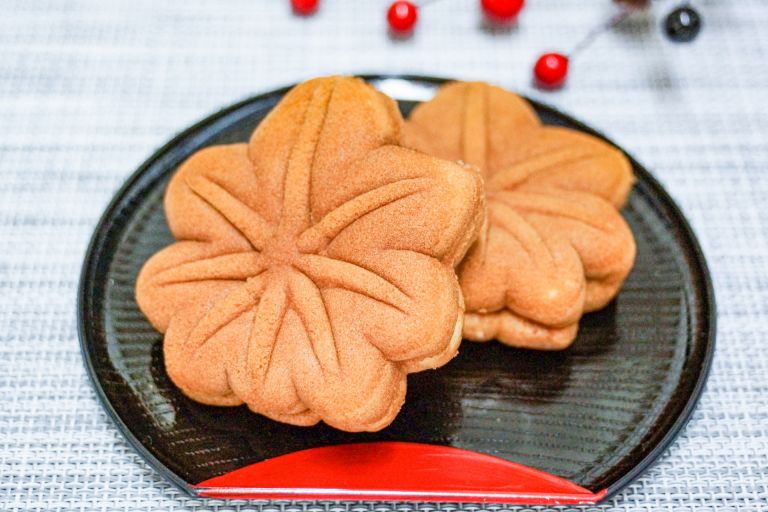
momiji manju, a maple leaf shaped dessert with a sweet bean filling, is popular in the fall
HOLIDAYS AND CUSTOMS THAT SHAPE DESSERT IN JAPAN
HOLIDAYS AND CUSTOMS THAT SHAPE DESSERT IN JAPAN
If you want to understand dessert in japan, follow the calendar. Many sweets are tied to holidays, family visits, and seasonal gifts, so the “right” treat often depends on the month you’re traveling. Even when something isn’t a dessert in the strict sense, it still shapes what people crave, what shops sell, and what ends up on the table.
New Year and winter sweets, mochi, red beans, and family gatherings
New Year’s is one of the biggest food seasons in Japan, and mochi sits right at the center. You’ll see kagami mochi, a traditional display of two stacked mochi (often topped with a small citrus). It’s placed at home as part of the New Year setup, less about snacking in the moment and more about marking the season with something meaningful and edible.
Another New Year staple is ozoni, a soup that includes mochi. It’s not “dessert,” but it explains a lot about winter tastes: chewy rice cakes, warming broth, and the comfort of eating together. If you’re traveling in early January, you may notice how often mochi shows up in different forms, from grilled street snacks to soft daifuku in shop cases.
Winter wagashi also lean into cozy themes and colors. Think white and red accents, plum blossom shapes, and small sweets that feel calm and tidy next to hot tea. Cold weather makes warm, filling flavors feel even better, which is one reason anko (sweet red bean paste) feels so common in winter. Red beans have a steady sweetness and a hearty texture, like a sweater you can eat.
A practical travel tip: around New Year, some independent wagashi shops and family-run cafés close for several days, sometimes longer. If you have a specific place on your list, check their holiday hours early, or plan to visit before the holiday rush.
Valentine’s Day and White Day, how Japan turned chocolate into a ritual
Japan’s Valentine’s season is less about dinner dates and more about chocolate as a social ritual. A common modern pattern is simple: women often give chocolate on Valentine’s Day, then men often return gifts on White Day (March 14). The details vary by person and workplace, but the overall effect is easy to spot as a traveler: chocolate takes over store shelves.
The best part is how big the selection gets. In January and February, department stores run major chocolate events with pop-ups, tasting counters, and limited boxes. Even if you don’t plan to buy gifts, these events are perfect for trying a wide range of styles in one place, from silky truffles to ganache-filled bonbons and Japan-only flavor combinations.
If you like sampling without committing to a large box, shop the way locals do when they want variety:
- Buy single pieces from a display case to taste several makers.
- Choose small assortments instead of one big signature box.
- Look for seasonal flavors like matcha, yuzu, roasted tea, and strawberry.
This is one of the easiest times to turn dessert in japan into a mini tasting tour, especially if you enjoy comparing textures and subtle sweetness.
Hinamatsuri and spring sweets, sakura flavors and beautiful pink treats
Spring desserts in Japan feel like a soft reset. Hinamatsuri (Girl’s Day) on March 3 is one of the moments that brings out pastel colors and celebratory sweets. Even if you don’t attend a festival, you’ll see the influence in shop displays, with pink tones, flower shapes, and treats that look like they belong in a photo.
Two spring classics to look for are sakura mochi and hanami dango. Sakura mochi usually pairs sweet bean paste with mochi and a pickled cherry leaf, which adds a salty, herbal edge. Hanami dango is often served in three colors (commonly pink, white, and green), a simple skewer that still feels like a seasonal symbol.
This is also when stores go all-in on cherry blossom marketing, in a way that’s genuinely fun. Packaging turns pink, limited flavors show up in bakeries and convenience stores, and even familiar sweets get a sakura version for a few short weeks. It can feel like the whole country is wearing spring colors.
If a sakura item looks unusual, try it anyway. Sakura flavor can be subtle, and sometimes the leaf is the main point. The first bite might surprise you, but it often makes sense by the second. Treat it like trying a new perfume, a small hint first, then the full impression.
Obon and autumn harvest flavors, chestnut, sweet potato, and persimmon
Late summer and fall bring a different mood, and the sweets shift with it. Around Obon (a time when families honor ancestors and often return to hometowns), you’ll see more traditional treats purchased to share at home. After that, autumn really hits its stride with harvest flavors that taste earthy, roasted, and a little nostalgic.
Look for kuri (chestnut) sweets first. Chestnut shows up as pastes, whole nuts tucked into wagashi, and Mont Blanc-style desserts in cafés. Next comes imo (sweet potato), which appears in baked snacks, soft cakes, and roasted street treats that smell like caramel and warm soil in the best way. Persimmon also makes seasonal appearances, sometimes as jelly-like sweets, sometimes paired with anko or used as a gentle fruit note in pastries.
This is a great season to travel for sweets because older shops feel especially alive. Cities like Kyoto and Kanazawa have long-running wagashi makers with seasonal windows full of chestnut shapes and autumn colors. Rural towns can be even more memorable, where a small sweet shop near a station sells one specialty, perfectly made, year after year.
If you’re building a fall dessert list, keep it simple: one chestnut sweet, one sweet potato snack, and one café dessert with seasonal fruit. Autumn rewards repeat tasting, because every shop interprets the same ingredients a little differently.
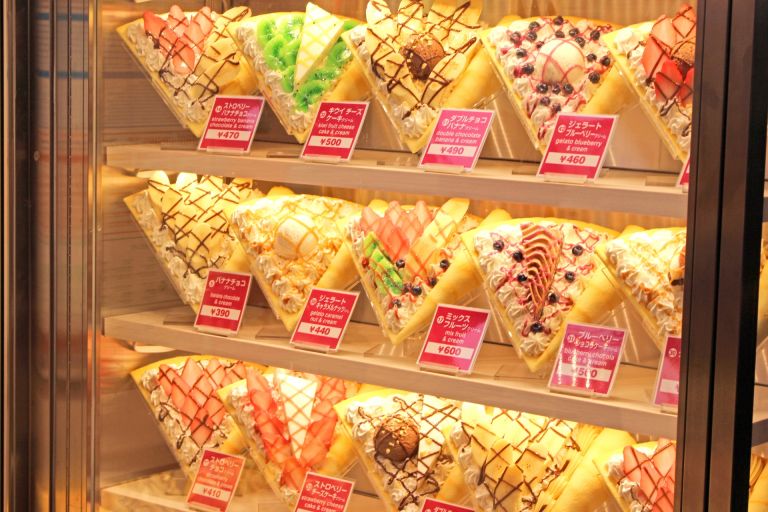
crepe is a popular dessert in japan
CONCLUSION
CONCLUSION
Dessert in japan rewards anyone who pays attention. It’s not only about sweetness, it’s about season, texture, and the quiet care behind each bite. A chewy mochi that tastes best the day it’s made, a clean slice of yokan with tea, a parfait layered for contrast, or a small chocolate with yuzu or matcha, each one shows a clear point of view. That’s why these treats stick with you long after the last sip of coffee or matcha.
If you want the full experience, try one traditional sweet and one modern pick on the same day. Start with wagashi from a small neighborhood shop where the display changes with the month. Later, go for a café dessert or a beautiful chocolate selection that feels made for gifting, even if it’s just for you. Shop like locals by browsing a department store basement (depachika) for seasonal boxes and single pieces, then balance it with a simple stop that feels everyday and local.
Thanks for reading, and if you’re planning a Japan trip, be sure to include dessert. A few short walks, a tea break, and a sweet bag for the train can turn a normal itinerary into your favorite memory.