- Our California office it's now
- 12:59 PM(Fri) - We Are Open
- Tel: 1-909-988-8885 Toll free : 1-855-325-2726 (USA & CANADA)
- info@alljapantours.comFollow Us :


- Monday to Friday 8:30AM - 5:30PM (PST) Saturday 8:30AM - 3:00PM (PST)
- CONTACT US
CHRISTMAS AND NEW YEAR HOLIDAY IN JAPAN: A TRAVELER’S GUIDE TO THE FESTIVE SEASON
Article | May Hamamoto
Share to friends
Late December in Japan feels like two holidays woven together. Shop windows glow with Santa displays and shiny ornaments, while right beside them, you see pine decorations for New Year and lucky charms. Streets sparkle with illuminations, Christmas cakes fill bakery cases, and train stations hum as people head home for the biggest family event of the year.
Japan is not a Christian country, but it still enjoys a very cheerful, very local version of Christmas, then shifts into the deep, quiet traditions of New Year, or Oshogatsu. This guide will help you understand what is happening during Holiday, Christmas, new year, japan season, so you can plan your trip, enjoy the events, and feel like you really understand the mood around you.
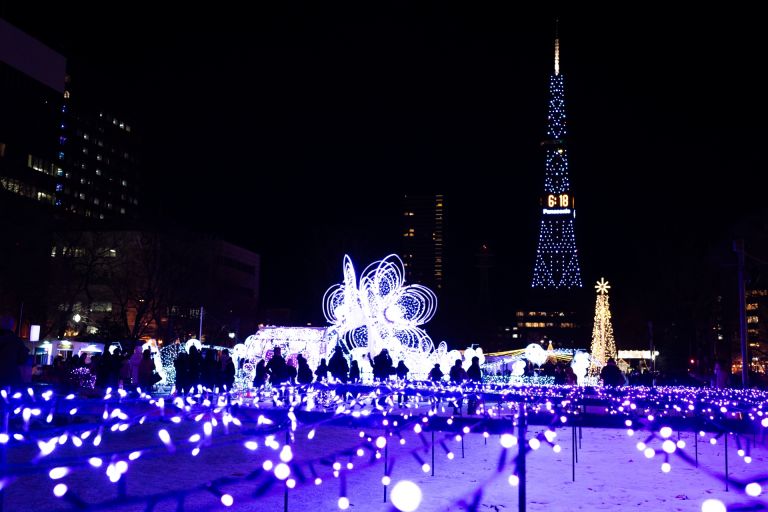
Sapporo Christmas Illumination
HOW JAPAN CELEBRATES CHRISTMAS WEEK: LIGHTS, DATES, AND FRIED CHICKEN
HOW JAPAN CELEBRATES CHRISTMAS WEEK: LIGHTS, DATES, AND FRIED CHICKEN
Christmas in Japan feels more like a mix of Valentine’s Day and a winter festival than a religious event. December 24 and 25 are not big family holidays. They are about romance, hanging out with friends, and enjoying lights, music, and special food.
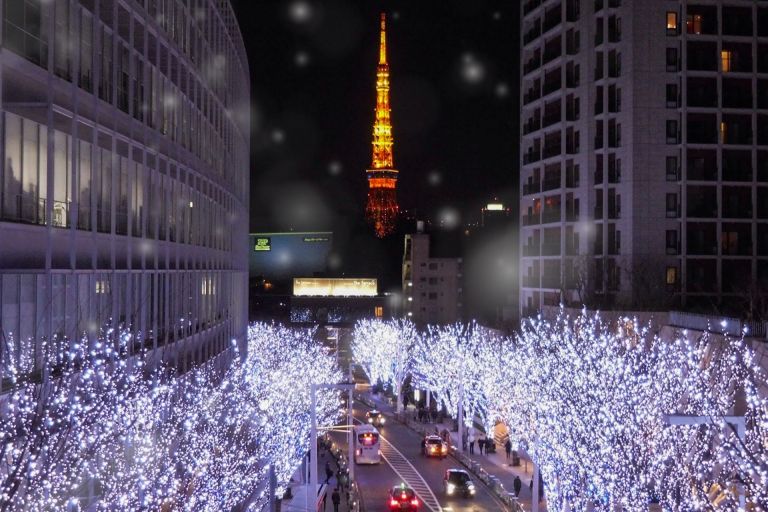
If you walk through Tokyo, Osaka, Kyoto, or Sapporo in the week before Christmas, you will see bright illuminations everywhere. Train stations play carols, department stores blast pop songs, and cafes sell limited-edition Christmas drinks. Young couples hold hands in the cold air, waiting for their dinner reservation or lining up to buy Christmas cake.
You will not see many home displays, since most people live in small apartments and do not have space for big trees. The focus is in public spaces instead. Neighborhoods, shopping streets, and theme parks compete with one another to create the most impressive light show. It is very photogenic and very social.
For travelers, this week feels light and playful. You can wander from one area to another, grab hot drinks from convenience stores, and take endless photos under glittering trees. The serious, family-centered part of the season only begins after Christmas, as the country prepares for New Year.
Romantic Christmas Eve And City Illuminations
Christmas Eve in Japan is often seen as a date night. Restaurants offer special “Xmas dinner” courses, often with candlelight and window seats. Many couples exchange gifts and book hotel stays that night, so it can be hard to get a table if you wait until the last minute.
Some popular illumination spots worth adding to your plan:
- Tokyo: Tokyo Midtown and Roppongi Hills, Shibuya’s winter lights, and the Marunouchi area near Tokyo Station
- Osaka: The tree-lined Midosuji Avenue, often lit in striking colors
- Kobe: Kobe Luminarie (on selected dates), which uses arches of lights to remember the 1995 earthquake
- Sapporo: Sapporo White Illumination, with snow and lights together
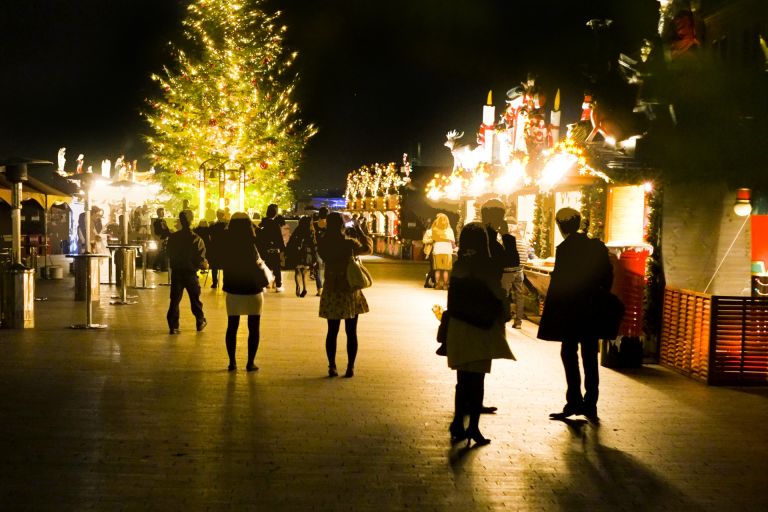
Many big cities also host European-style Christmas markets, with hot wine, sausages, and small craft stalls. They can get quite crowded in the evening.
Simple tips for enjoying illuminations:
- Arrive early if you want calmer photos and shorter lines
- Dress warm, especially around waterfront or wide open plazas
- Bring a camera or charge your phone, since this is prime photo time
- Keep an eye on the last train if you are staying outside the city center
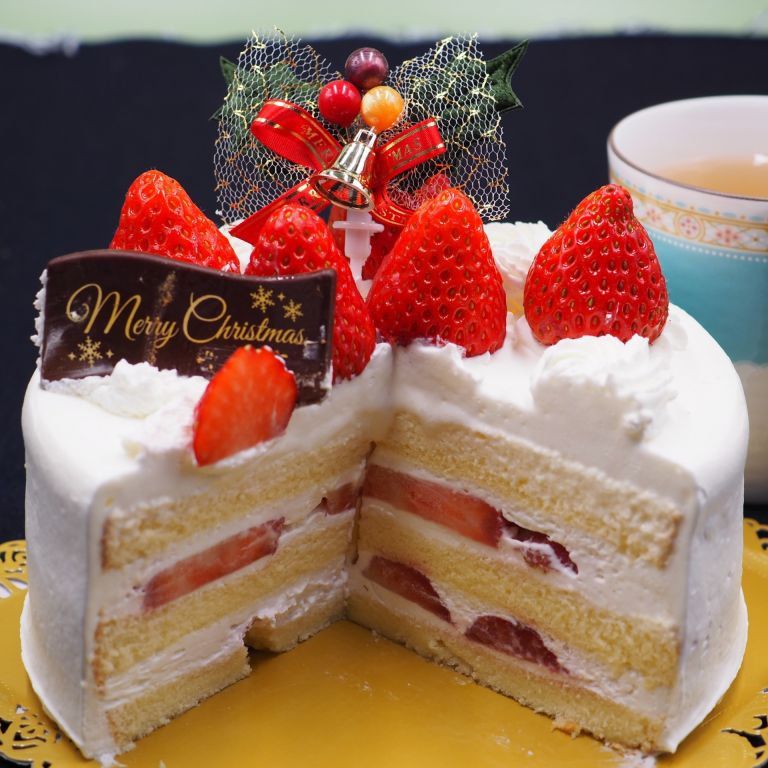
Japan’s Christmas Cake
THE FAMOUS KFC CHRISTMAS DINNER AND CHRISTMAS CAKE
Many visitors are surprised to see long lines outside KFC on December 24. In the 1970s, KFC ran a smart ad campaign that linked fried chicken with Christmas dinner in Japan, and the idea stuck. Today, many families and couples still pre-order large KFC “party barrels” for their Christmas meal.
If you want to try this for fun, you can:
- Pre-order a set online or in-store weeks in advance
- Or line up on December 23–25 and wait, sometimes quite a while
Right beside the chicken, you will find another key part of Christmas in Japan: strawberry shortcake. This light sponge cake with whipped cream and fresh strawberries is the classic Christmas dessert. It looks like something out of a storybook, white and red and very sweet.
You can try Christmas cake at:
- Department store basements (called depachika), where high-end bakeries show off their best designs
- Convenience stores like Lawson or 7-Eleven, which sell small, budget-friendly versions
- Local neighborhood bakeries, often with cute decorations
If you plan to eat Christmas cake on December 24 or 25, it helps to reserve one or visit early in the day, since popular sizes and designs can sell out fast.
FROM CLEANING TO COUNTDOWN: WHAT HAPPENS BETWEEN CHRISTMAS AND NEW YEAR
FROM CLEANING TO COUNTDOWN: WHAT HAPPENS BETWEEN CHRISTMAS AND NEW YEAR
Once Christmas Eve and Christmas Day are over, the mood in Japan shifts. The romantic dates and party lights fade into something calmer and more traditional. People start to think about closing out the old year and welcoming the new one in a clean, respectful way.
For travelers, the last week of December feels like a bridge. Offices hold drinking parties, families scrub their homes, and shops fill with decorations that look very different from Santa and snowmen. It is still festive, but now the focus is on fresh starts and good luck.
Year-End Parties (Bonenkai) And Work Culture
A key part of this time is the bonenkai, often translated as “forget-the-year party.” Companies, clubs, and friend groups gather at izakaya pubs or restaurants to eat, drink, and laugh about the ups and downs of the past year.
If you walk through areas like Shinjuku or Shibuya in Tokyo, or Umeda in Osaka, in late December, you will see groups in suits spilling out of bars, singing, and sometimes wobbling a little on the sidewalk. It is a chance for people to relax with coworkers, and the mood is usually loud but friendly.
Travelers sometimes get invited to a bonenkai. If that happens, a few simple manners help:
- In many groups, you do not pour your own drink first. You fill others’ glasses, and they fill yours.
- It is fine to drink soft drinks if you say you do not drink alcohol.
- People may drink a lot, but try not to judge or joke harshly. The point is to release stress.
Bonenkai often run until late at night, so trains can be busy. If you do not like crowds on platforms, try to head back a bit earlier.
Big Year-End Cleanings And Decorations You Will Notice
Around December 28 to 30, a quieter ritual takes over: oosouji, the big year-end cleaning. Families, schools, and even offices do a deep clean to clear out dirt and bad luck before January 1.
You might notice:
- Apartment balconies with futons airing out
- School gates open while staff sweep classrooms
- People lining up at recycling centers and trash points
At the same time, New Year decorations begin to appear:
- Kadomatsu: Pine and bamboo arrangements placed at entrances to welcome good spirits and show life and strength
- Shimenawa: Twisted straw ropes with white paper strips, hung at doors or on cars to mark a sacred space and keep bad spirits away
Supermarkets and department stores also get intense. Shelves fill with New Year foods, especially ingredients for osechi-ryori. Prices can be high, and the crowds on December 30 and 31 can be serious.
Practical tips:
- Do not wait until the evening of December 31 to buy snacks or simple meals
- Expect some shops and small restaurants to close early on December 31
- Grab easy backup food from convenience stores in case your target place is closed
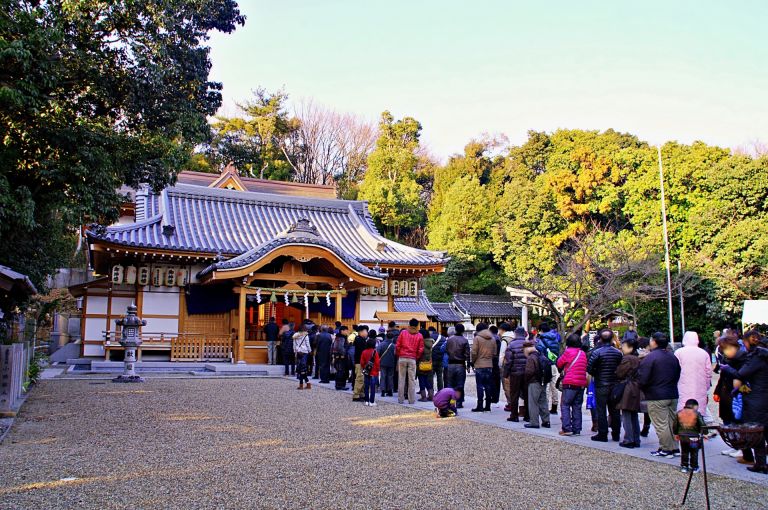
Japanese tradition of a New Year temple visit
JAPANESE NEW YEAR TRADITIONS TRAVELERS SHOULD NOT MISS
JAPANESE NEW YEAR TRADITIONS TRAVELERS SHOULD NOT MISS
New Year is the heart of the Holiday, Christmas, new year, japan season. While Christmas is light and playful, Oshogatsu is deep, family-centered, and full of quiet meaning. The streets get still, but shrines and temples come alive.
As a visitor, you can join many of these customs. You can listen to temple bells, visit shrines for hatsumode, taste special New Year foods, and walk through peaceful city streets that feel totally different from normal Tokyo or Osaka
.
Joya-no-kane: Listening To Temple Bells On New Year’s Eve
On the night of December 31, many Buddhist temples in Japan ring their bells 108 times. This ceremony, called Joya-no-kane, is meant to clear the 108 human desires and start the year with a clean heart.
The feeling is very different from a noisy Western countdown party. People wait in line in the cold, wrapped in coats and scarves. The deep sound of the bell rolls over the temple grounds and fades into the night. Snow sometimes falls in places like Kyoto or northern Japan, which makes it feel almost timeless.
Well-known spots include:
- Large temples in Kyoto, such as Chion-in or Nanzen-ji
- Local temples in cities and small towns, often less crowded but still moving
Tips for joining Joya-no-kane:
- Arrive early, especially at famous temples, since lines can get long
- Follow the staff’s instructions, and stay quiet near the bell
- Some temples let visitors strike the bell, others only let monks do it
- Dress very warm; temple grounds can feel extra cold at night
Hatsumode: Visiting Shrines And Temples In The First Days Of The Year
From January 1 to 3, people head out for hatsumode, their first shrine or temple visit of the year. This is one of the biggest events in Japan, and almost everyone takes part in some way.
Famous places for hatsumode include:
- Meiji Jingu
in Tokyo, where millions visit over a few days
- Fushimi Inari Taisha
in Kyoto, known for its long paths of red gates
- Local neighborhood shrines everywhere, which feel more relaxed
At shrines, you will see people:
- Toss coins into the offering box
- Bow twice, clap twice, then bow once more
- Line up to buy omamori (good luck charms) for things like traffic safety, health, or studies
- Draw omikuji (paper fortunes). If the fortune is bad, many people tie it to a rack or tree branch at the shrine, to leave the bad luck behind.
You can join in very easily. Just follow the flow, stand in line, and watch what people ahead of you do. If your fortune is “bad,” tie it up and smile. It becomes a story, not a curse.
Food stalls often appear near major shrines. You can warm up with takoyaki, grilled chicken skewers, or sweet rice cakes. There is often hot amazake, a sweet, low-alcohol or non-alcohol rice drink that feels perfect on a cold day.
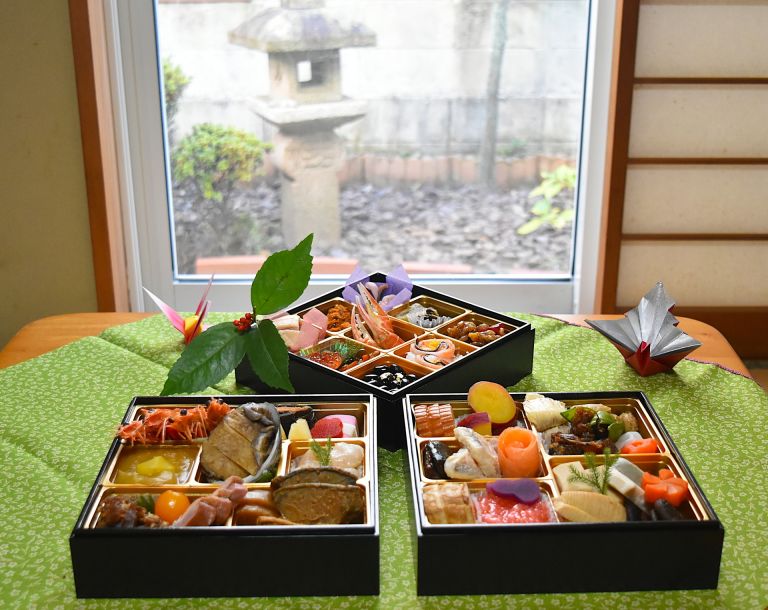
Osechi Ryori is Traditional Japanese New Year Food
TRADITIONAL NEW YEAR FOOD: OSECHI, MOCHI, AND SPECIAL DRINKS
TRADITIONAL NEW YEAR FOOD: OSECHI, MOCHI, AND SPECIAL DRINKS
New Year in Japan also has a rich food culture. Many families eat osechi-ryori, a set of colorful dishes packed in tiered lacquered boxes, prepared in advance so nobody has to cook much during the first days of the year.
Common foods in osechi and what they stand for:
- Black beans (kuromame) for health and hard work
- Sweet rolled omelet (datemaki) for learning and fertility
- Chestnut paste and sweet potato for success
- Red and white fish cake (kamaboko) for celebration
- Shrimp for long life, since their bent shape looks like an old person’s back
Along with osechi, many people eat ozoni, a soup with chewy mochi rice cakes, and drink toso, a spiced sake.
As a traveler, you can try these by:
- Staying at a ryokan or hotel that offers New Year meals
- Ordering special osechi sets at some restaurants
- Buying ready-made osechi boxes at department store food floors
One important point: mochi is very sticky. Every year, there are accidents when small children or older people choke on it. Chew it well, and avoid giving large pieces to anyone who might have trouble swallowing.
Read more about New Year traditions in Japan HERE.
Quiet Streets, Closed Stores, And How To Plan Your Trip
From January 1 to 3, Japanese cities feel strangely quiet. Shutters stay down on many small shops, and favorite ramen spots might be closed. Some museums and tourist spots take a break too.
Trains, however, can be packed. Many people travel back to their hometown before New Year and return to the city around January 3 or 4. Popular Shinkansen routes get very busy.
To handle this part of the Holiday, Christmas, new year, japan season:
- Book Shinkansen seats in advance if you need to travel around January 1–4
- Stock up on snacks and simple meals on December 31
- Check opening hours online for any sights you really want to visit
- Consider staying in one city over New Year, rather than moving around a lot
- Use the quiet days for walks, photo walks around shrines, or staying in an onsen town with hot springs
If you plan carefully, this calm time can become a highlight of your trip.
Tokyo Illuminations
PRACTICAL TIPS FOR ENJOYING CHRISTMAS AND NEW YEAR SEASON IN JAPAN
PRACTICAL TIPS FOR ENJOYING CHRISTMAS AND NEW YEAR SEASON IN JAPAN
To turn all of these customs into a smooth trip, a bit of planning goes a long way. The season from early December to early January changes fast, from city lights to family time and then back to normal life.
Best Time To Visit And What To Book In Advance
Your experience will depend a lot on when you visit:
- Early December: Illuminations are already on, but life feels normal. Fewer crowds for travel.
- Around Christmas: Strong romantic mood, busy restaurants, and lots of date-night energy in the streets.
- Over New Year: Deep traditions, temple bells, hatsumode, but many closures and heavy travel days.
Check out this post about Winter in Japan here.
Book early for:
- Flights and hotels, especially if you stay December 28 to January 3
- Restaurant dinners on December 24, especially for couples
- KFC Christmas sets if you want the classic Japanese-style dinner
- Shinkansen seats during the peak travel days
If possible, stay in one base city over New Year itself, then travel again once the rush eases.
Etiquette, Weather, And Simple Packing Tips
Good manners help you blend in:
- Dress modestly for shrines and temples
- Speak in a soft voice and follow lines patiently
- Do not push or cut in front, even if you are in a hurry
- Ask before taking close-up photos of strangers, especially children or people praying
Late December and early January are cold in most of Japan. Pack:
- A warm coat, scarf, gloves, and a hat
- Layers, so you can adjust between heated trains and cold streets
- Heat packs for your pockets, and thick socks for long waits outdoors
A small crossbody bag is handy for omamori charms and omikuji fortunes. A reusable cup or bottle is useful for hot drinks from vending machines or shops, so you can keep your hands warm while you explore.
Japan Christmas Market
CONCLUSION
CONCLUSION
Holiday, Christmas, and New Year in Japan blend bright city fun with deep family tradition. You can spend one night walking under blue-white lights in Tokyo, then stand in silence a few days later as a temple bell rings out the old year.
If you mix light-hearted Christmas dates or markets with quiet New Year shrine visits, you will feel the full rhythm of the season. Save this guide for your next trip, share it with a friend who hopes to visit Japan, and let this special time of year give you both gentle reflection and strong travel memories.