- Our California office it's now
- 12:59 PM(Fri) - We Are Open
- Tel: 1-909-988-8885 Toll free : 1-855-325-2726 (USA & CANADA)
- info@alljapantours.comFollow Us :


- Monday to Friday 8:30AM - 5:30PM (PST) Saturday 8:30AM - 3:00PM (PST)
- CONTACT US
ALL ABOUT YOKAI AND WHERE TO FIND THEM IN JAPAN (TRAVEL GUIDE)
Article | May Hamamoto
Share to friends
Yokai play a big part in Japanese folklore; a cast of ghosts, tricksters, and guardians. Some help travelers. Some pull pranks. All of them make the night feel alive. On your next Japan trip, especially if you are looking for things to do around Halloween or the Fall season in general, you can chase their stories through rivers, shrines, festivals, and mountain trails.
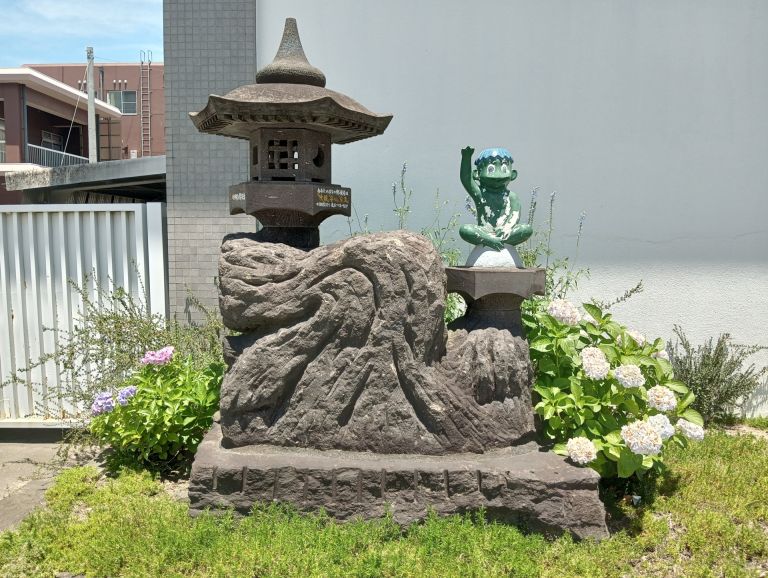
an example of spotting yokai (kappa) in the streets of Japan
FAMOUS YOKAI
FAMOUS YOKAI
In Japanese culture, yokai are not simple monsters. They are characters with moods, habits, and local ties. Think of them as spirit neighbors. Some are friendly, some are tricky, and some just want attention.
The word yokai (妖怪) roughly means “mysterious apparition.” During the Edo Period (1603–1868), yokai became especially popular thanks to artists like Toriyama Sekien, who illustrated them in beautiful woodblock prints. These depictions helped transform old ghost stories into a national fascination, blending fear, humor, and a deep respect for nature and the unknown.
Even today, yokai influence Japanese pop culture, from anime and manga to seasonal festivals
and
theme park events.
From ancient folklore to modern fandoms, yokai have never stopped evolving. Once the stars of ghost stories and old woodblock prints, these mysterious creatures now appear everywhere in Japanese pop culture, from anime and manga to video games and street fashion. Shows like GeGeGe no Kitaro and Natsume’s Book of Friends brought yokai tales to TV, blending heartwarming stories with eerie folklore. Games such as Yo-Kai Watch and Nioh reimagine these spirits for new generations, while films like Spirited Away are filled with yokai-inspired characters. Their influence extends beyond media, inspiring art, streetwear, and even seasonal events especially around Autumn that celebrate Japan’s love for the mysterious. Whether creepy, cute, or mischievous, yokai continue to capture imaginations and prove that folklore never truly fades, it simply evolves.
The classic yokai:
• Kappa: River imps with beaks, turtle shells, and a water bowl on their heads. They love cucumbers and wrestling. They also respect manners. If you bow, a kappa might bow back, spill the water on its head, and lose power. Farmers once offered cucumbers to keep them calm near irrigation streams.
• Kitsune: Fox spirits with many tails and sharp minds. They can turn into humans, often a kind woman or a wise old man. Many serve Inari, the deity of rice and prosperity. Kitsune can test your heart, but they also guide lost travelers at night. Lantern light and fox masks at shrines keep their stories alive.
• Tanuki, or Japanese raccoon dog, is one of Japan’s most beloved and mischievous creatures from folklore. Often depicted with a jolly belly, straw hat, and a sake bottle, tanuki are known as playful tricksters who can shapeshift and bring both laughter and confusion to those they encounter. Unlike malevolent yokai, tanuki are usually portrayed as good-natured pranksters, symbolizing prosperity, happiness, and a carefree spirit. You’ll often spot statues of them outside restaurants and shops, inviting good fortune and customers.
• Tengu: Mountain guardians with red faces, long noses, and a taste for sword skills. They train warriors, prank the proud, and guard sacred peaks. Hikers still find tengu masks at small shrines off the main path. The air feels different when you step into their territory.
After familiarizing yourself with the different types, you start noticing clues related to yokai. A cucumber on a riverbank hints at kappa lore. A pair of fox statues flanking a gate marks an Inari shrine. A long-nosed mask on a mountainside shop whispers tengu.
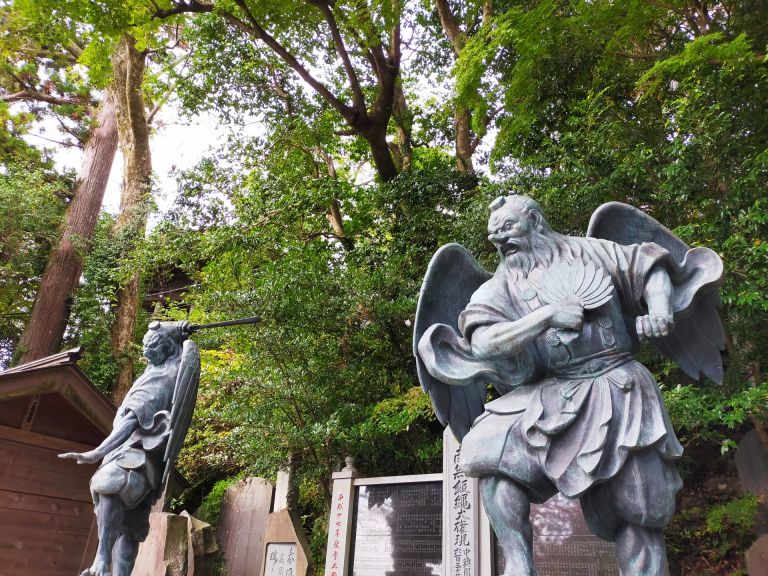
Tengu statue at Mount Takao
Eager for more? You can spot yokai in woodblock prints, manga, and museum displays. Look for works tied to Edo-period artists, reprints of spooky prints, and modern exhibits that link folklore to daily life. It helps to bring a small notebook or jot down names and places in your phone notes app. You will remember more, and your walks will feel richer.
Yokai most commonly pop up and are celebrated in the Fall season in Japan, mostly due to the influence of Halloween. For those traveling around Autumn, spotting yokai and noticing hints of Japanese folklore add the perfect spooky touch as you explore Japan.
Kappa: The River Dwellers
A child-sized figure with webbed hands, a shell, and a neat bowl of water on its head make up a kappa. Stories say they haunt river bends, tease fishermen, and crave cucumbers. One tale tells of a farmer who offered a cucumber and earned a safe crossing each day. If you want to play nice, carry a cucumber as a symbol. Explore rivers around Kyoto, like the Kamo, where kappa rumors swim with the current.
Tanuki: Sly Racoon Dogs
If you’re hoping to see tanuki imagery in real life, Kyoto and Shigaraki in Shiga Prefecture are the best places to go. Shigaraki is famous for its ceramic tanuki statues, you’ll find them lining the streets and in front of potteries, each with its own charming expression. In Kyoto, look for tanuki figures outside izakaya pubs or temples like Tanukidani Fudoin, which is dedicated to the creature itself. And for a touch of folklore in modern life, themed souvenirs and decorations featuring tanuki can be found in gift shops all over Japan.
Kitsune: Clever Fox Spirits
Kitsune embody stealth and grace. They shape-shift, guard granaries, and guide travelers at dusk. A favorite tale tells of a fox who led a lost pilgrim by lantern light, then vanished at the shrine gate. To seek their signs, visit Inari shrines across Japan. Aim for festival days, when fox masks, dances, and lanterns paint the night. Fushimi Inari in Kyoto is a perfect start.
Tengu: Sky Guardians of the Mountains
Tengu love ridgelines and old cedars. They carry fans and train swordsmen who show respect. A classic story says a proud general learned humility after a tengu’s lesson on a lonely peak. Hike Mount Takao near Tokyo for tengu lore, carved masks, and easy trails.
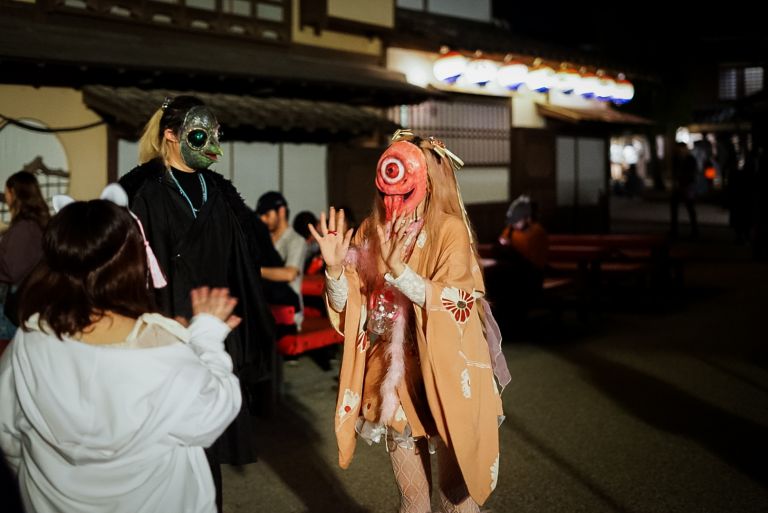
Take photos with Yokai wandering Toei Kyoto Studio Park
HUNT YOKAI AT JAPAN'S TOP SPOTS
HUNT YOKAI AT JAPAN'S TOP SPOTS
You can chase yokai in cities, villages, and deep valleys. The trick is matching the tale to the place. Here are top spots that bring legends to life.
• Aomori’s Nebuta Festival: Massive glowing floats roar through summer nights in early August. Some floats show demons and heroic spirits, close cousins to yokai. The drums shake your chest. Lantern light throws wild shadows. Definitely an aesthetic event worth witnessing in person. Check out our pre-packaged tours that include the Aomori Nebuta Festival.
• Tokyo’s rotating exhibits: Major museums and galleries often show prints and stories tied to ghosts and strange creatures. Check museum calendars before you go. Add a stop in Chofu’s Jindaiji area for Kitaro-themed cafes and shops that celebrate classic yokai characters.
• Miyoshi Mononoke Museum, Hiroshima Prefecture: Also known as the Japan Yokai Museum, it houses art and artifacts tied to yokai lore. You will see how stories shift across regions and time. It is a great rainy-day plan between Hiroshima and the countryside.
• Kyoto’s Ichijo Yokai Street: A quirky stretch with statues, themed shops, and a fun local parade at certain times of year. It feels like a neighborhood wink at the famous Night Parade of One Hundred Demons. Go at dusk for photos with soft light.
• Toei Kyoto Studio Park: This Edo-themed park hosts a yokai parade on select days in October and November. Ghoulish figures march the park, accompanied by music and dancing. The park has a special stamp event and plenty of chances for photo ops with Yokai. Register in advance, and you can even parade alongside yokai. Perfect for Halloween in Japan!
• Sakaiminato’s Mizuki Shigeru Road, Tottori: Bronze statues of beloved yokai line the street, based on the artist who made them famous worldwide. Collect stamps, try themed snacks, and snap playful photos. It is kid-friendly and perfect for a half day.
• Tono, Iwate: A rural cradle of folklore. Kappa, zashiki-warashi, and more live in old tales recorded in The Legends of Tono. Visit folk houses, small shrines, and rivers. We suggest having a guide for stories that do not show up on signs.
The best timing depends on your style. Festivals peak in summer. Clear hikes shine in autumn. Spring brings flowers and long days for shrine hopping. Winter is quiet and moody, ideal for ghost stories by the hearth.
A travel company that specializes in Japan travel can help string these stops into easy loops. You can get event tickets, train or private transportation, guides who love folklore, and efficient use of time dedicated to enjoying Japan and its culture.
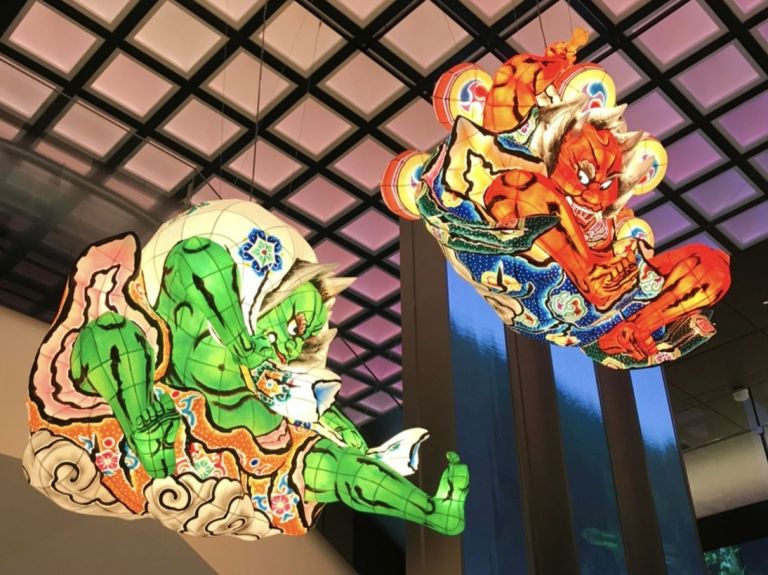
Nebuta Aomori Festival
FESTIVALS WHERE YOKAI COME ALIVE
FESTIVALS WHERE YOKAI COME ALIVE
Festival nights feel electric. You will see lanterns sway, drums pound, and masks grin. Look for yokai parades and spirit dances in summer matsuri across the country, plus seasonal events in Kyoto and Hiroshima Prefecture tied to local lore. Buy tickets early if seating is reserved. Eat like a local, with yakitori, cold tea, and sweet taiyaki. Join one of our group tours to skip logistics and land great viewing spots.
Hidden Villages and Shrines Full of Spirits
Go rural for deeper magic. Tono in Iwate offers folk homes, quiet lanes, and kappa tales along calm streams. In Nara and Kyoto, small Inari shrines guard lanes with fox statues, each with a different face and mood. Walk slow, follow side streets, and time your visit for golden hour. Keep your flash off near worshippers.
Yokai in Theme Parks
Over at Universal Studios Japan
, Halloween Horror Nights take inspiration from both Western horror and Japanese legends, with eerie sets and costumed performers. Even Tokyo Disneyland
adds a family-friendly twist, with kawaii-style ghosts and festive parades.
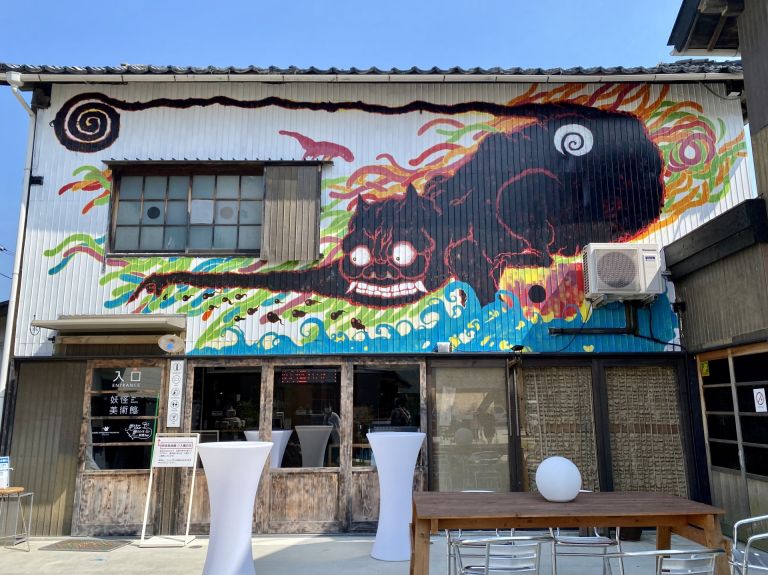
Yokai Museum in Hiroshima
PLAN YOUR JAPAN TRIP WITH EXPERT HELP
PLAN YOUR JAPAN TRIP WITH EXPERT HELP
A little planning turns a fun idea into a smooth adventure. Use these quick tips.
* Best seasons: July to early September for summer festivals, October to November for foliage and Halloween themes, Late March to early April for blossoms and soft light.
* Transport: Trains cover most ground. For rural folklore spots like Tono or Sakaiminato, mix trains with short buses or taxis. Load a prepaid IC card for easy taps. Private transportation is for the best use of your time in Japan.
* Apps that help: Map apps for trailheads, translation apps for signs and shrine notes, and museum calendars for rotating exhibits. Save pages offline before tunnels and valleys.
* Safety outdoors: For nature goers, rivers are slippery. Mountains change weather fast. Pack a compact rain jacket, grippy shoes, a small flashlight, and bug spray. Tell someone your route if you hike.
* Respect at shrines: Bow once at the torii gate, step to the side as you pass through, and keep voices low. Check for signs regarding photography. Usually designated areas for prayer prohibit film and photography. Take trash with you.
* Photography: Ask before taking photos or videos of people in costume at festivals, events, and theme parks. Avoid flash inside small shrines and private spaces.
A Japanese tourism focused company such as All Japan Tours can help customize a tour to fit your pace. You can sleep in themed inns, try local snacks tied to folklore, and hear stories from guides who grew up with these legends. We handle bookings, maps, and timing, then add special touches like night walks or local events. Tell us your wish list, and we will shape a route around rivers, shrines, museums, and mountain trails you will love.
Ready to go from reading to spotting? Book your dates, pick a theme, and let us chart the path.
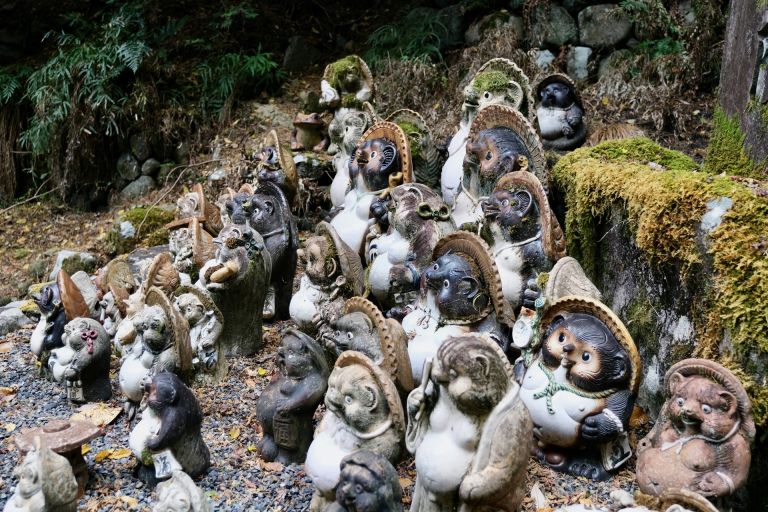
Tanuki in Kyoto
CONCLUSION
CONCLUSION
Yokai hunts add spark to any Japan trip. Rivers hum with kappa tales, shrines glow with fox lore, and mountains whisper tengu secrets. With smart planning and a friendly guide, you get story-rich days and easy travel. Keep your eyes open, and join one of our tours and add a Japanese folklore element you will remember forever. Which spirit will you meet first in Japan?
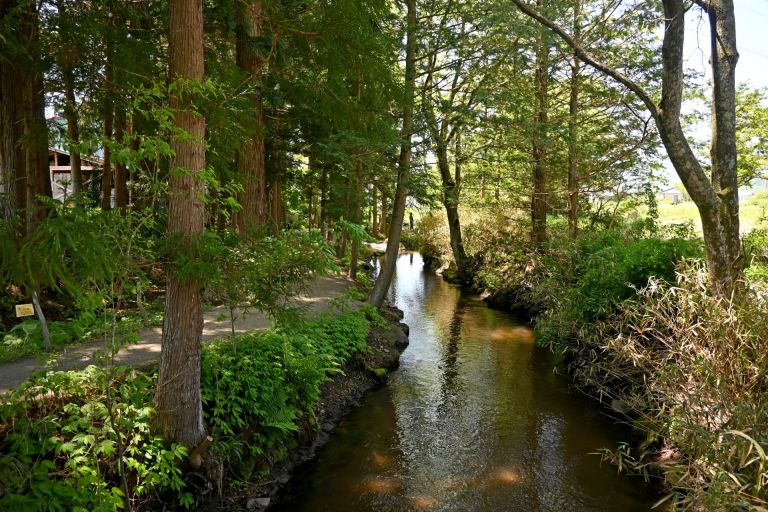
kappa pool in Tono